


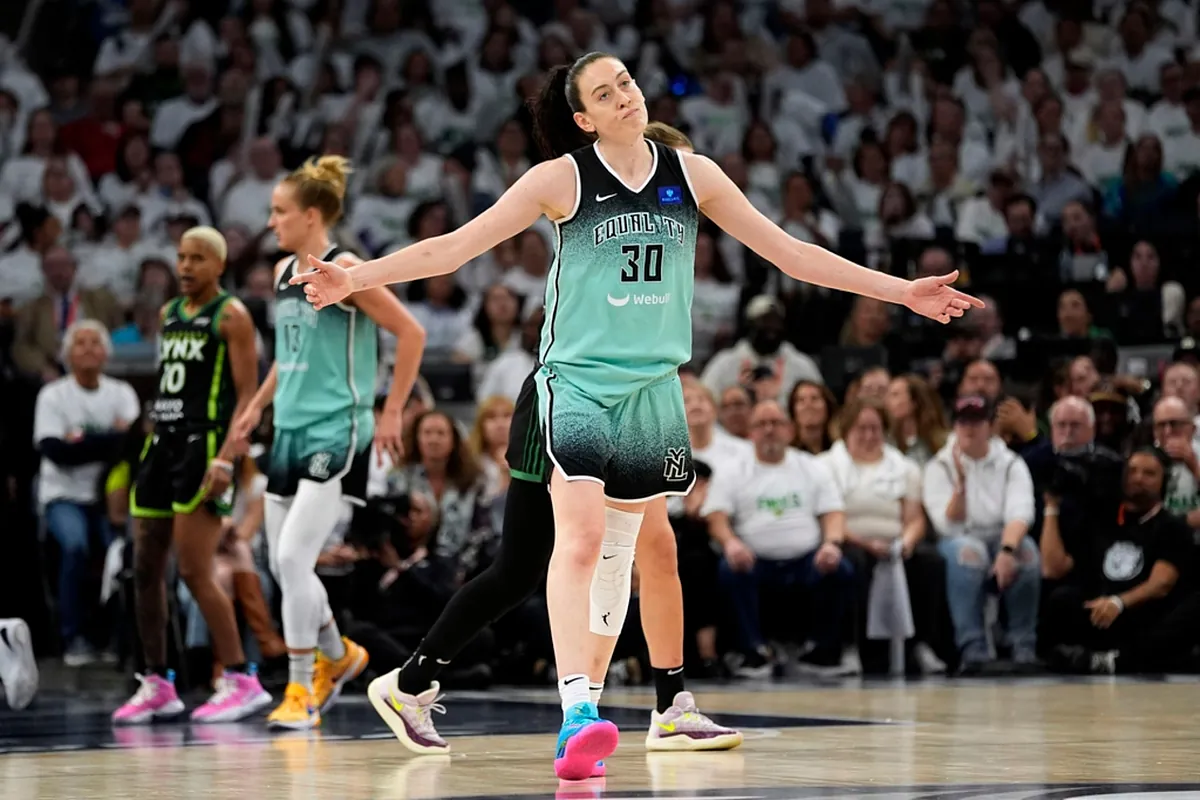
As the deadline for a new Women’s National Basketball Association collective bargaining agreement crests toward January 9, tensions between players and league leadership are intensifying.
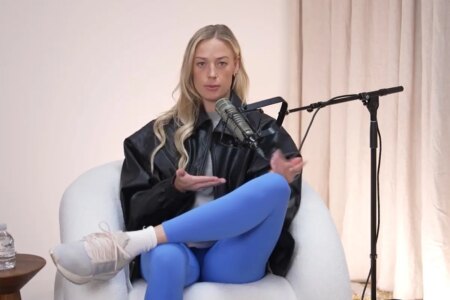
Star forward Breanna Stewart wants NBA commissioner Adam Silver at the center of resolving them.
Her comments, delivered on December 17, illustrate growing frustration among players who worry that negotiations are stagnating and that the issues at the table may have far-reaching consequences for the league.
Stewart, a two-time WNBA champion and vice president of the Women’s National Basketball Players Association (WNBPA), acknowledged the union’s willingness to compromise, but suggested that league negotiators have been resistant to substantial movement.
“More often than not, we’re the ones that are willing to compromise, and they still aren’t budging,” she said, pointing to the deadlock that threatens to derail completion of a landmark deal.
“We know how important as players it is to play and to be on the court,” Stewart added.
“But at the same time, if we’re not going to be valued the way that we know we should be, in the way that every kind of number situation tells us, then we’re just not going to do something that doesn’t make sense for us.”
Her most striking overture came when she publicly opened the door for NBA commissioner Adam Silver‘s direct involvement: “So yeah, if Adam wants to come, I would love to have him.”
This stark invitation from one of the league’s most influential voices highlights not only the depth of player dissatisfaction but also a belief that a more visible role by the NBA‘s chief executive might break the current impasse.
A major source of the friction stems from competing visions of how to structure player compensation in a league that has seen notable growth in attendance, viewership and commercial appeal in recent seasons.
Players have emphasized the importance of tying salaries and the overall salary cap to league revenue, a system similar to the NBA‘s basketball-related income model, which automatically adjusts compensation as business expands.
Stakes rise as deadline looms and options narrow
The urgency around these negotiations extends beyond pay and into the very structure of the league’s offseason.
With the current CBA having expired on October 31 and multiple extensions negotiated to keep talks alive, key calendar items, such as free agency, expansion drafts, and roster planning, are all contingent on a deal.
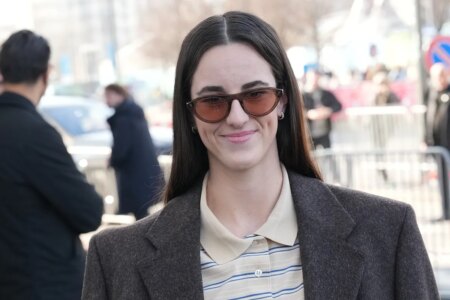
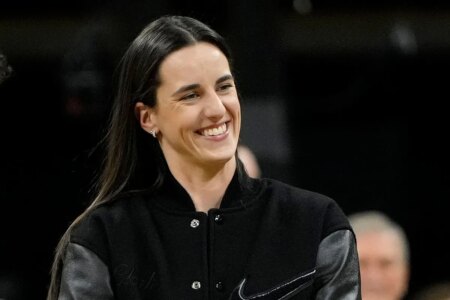
Other star players, like Caitlin Clark of the Indiana Fever, have underscored the weight of the moment. Clark, returning to play with Team USA, described the labor talks as “the biggest moment the WNBA has ever seen,” a testament to both the league’s explosive growth and the anxieties over securing a framework that supports that trajectory.
Read the full article here