





??Boxing’s recent financial boom has been built on spectacle, global reach and, crucially, unprecedented investment from Saudi Arabia. But as geopolitical tensions escalate in the Middle East, questions are beginning to surface about whether that model can continue uninterrupted.
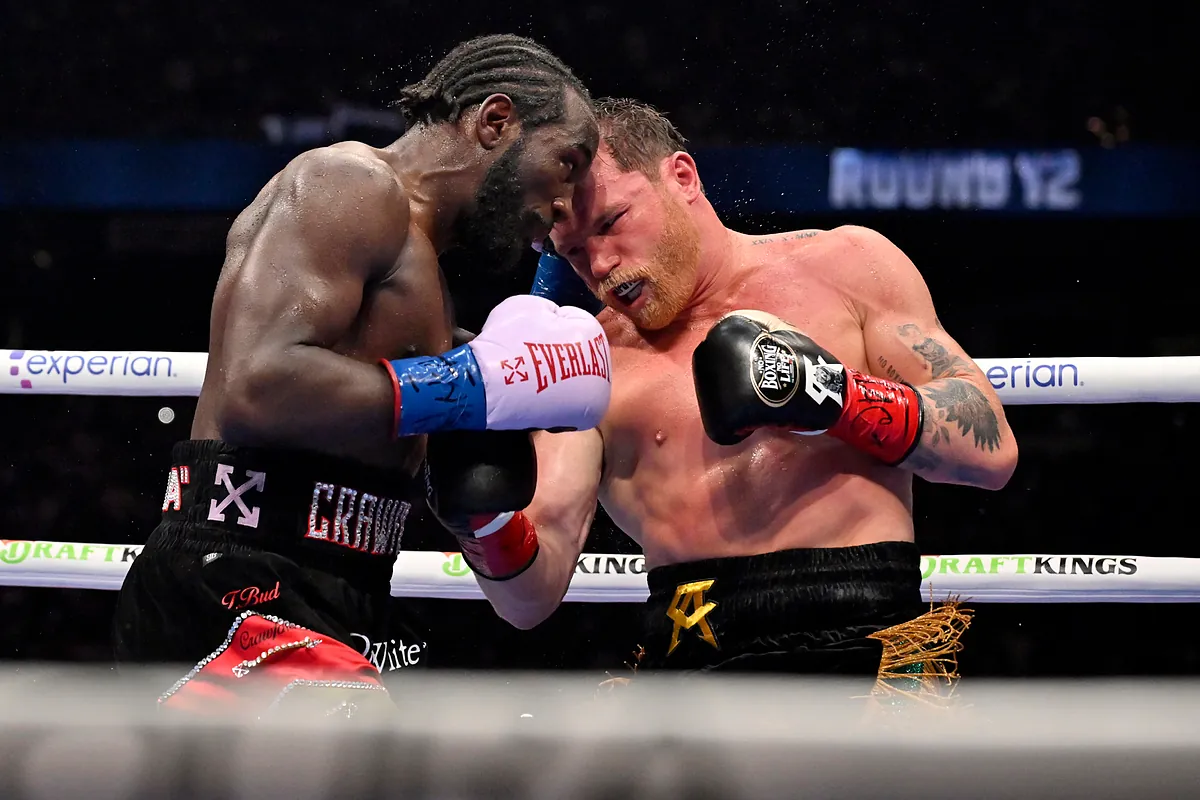
The reported disruption around the Strait of Hormuz, a vital artery for global oil shipments, has unsettled markets and triggered debate within the fight community. At the centre of it all is whether the economic fallout could eventually impact the enormous purses earned by stars such as Canelo Alvarez and Terence Crawford.
The discussion gained traction after commentary from Fannon Boxing suggested that Saudi Arabia‘s spending on marquee events could be at risk.
In a video posted to X, the host pointed to potential losses linked to the crisis and warned that fighters regularly appearing on cards backed by Turki Alalshikh may not enjoy the same financial opportunities going forward.
“There’s a bunch of news that has come out of Saudi Arabia over the last couple of days,” Fannon said, before adding that the era of lavish fight funding “could be about to leave” if economic pressures continue to build.
For now, however, the reality on the ground tells a different story. Saudi Arabia-backed events remain firmly on the calendar, with Tyson Fury scheduled to return to action in April and further high profile bouts already confirmed for later in the year.
There is also continued financial backing behind events such as Oleksandr Usyk‘s crossover clash with Rico Verhoeven, suggesting that, at least in the short term, the pipeline of major fight nights remains intact.
Saudi Arabia‘s Public Investment Fund, which underpins much of this activity, is still estimated to hold assets exceeding one trillion dollars. While not all of that capital is immediately liquid, it highlights the scale of resources still available to support global sporting ventures.
Mixed signals for Saudi finances
The broader economic picture is more nuanced. While disruptions around the Strait of Hormuz have affected exports, they have also pushed oil prices sharply higher, in some cases offsetting lost volume with increased revenue.
Saudi Arabia‘s infrastructure allows it to reroute a portion of its exports away from the strait, maintaining flows through alternative routes. At the same time, higher crude prices have boosted income streams tied to its energy sector.
However, conflicting reports suggest that exports have dropped significantly in recent weeks and that certain large scale projects have slowed. The truth appears to sit somewhere in between, with both gains and challenges shaping the kingdom’s financial outlook.
Why boxing’s future model could still shift
Even without immediate disruption, uncertainty alone can influence investment decisions. Boxing, more than most sports, has leaned heavily on international funding to deliver its biggest events.
If instability persists, the long term effects could include fewer mega events in the Middle East, greater reliance on traditional venues and increased competition for limited hosting opportunities.
For fighters like Shakur Stevenson and Devin Haney, that could eventually translate into fewer blockbuster opportunities, even if nothing changes in the immediate future.
For now, the sport continues to operate as normal. But with global factors increasingly shaping the business side of boxing, the biggest question is no longer just who wins in the ring, but whether the financial landscape that created these super fights can hold.
Read the full article here