



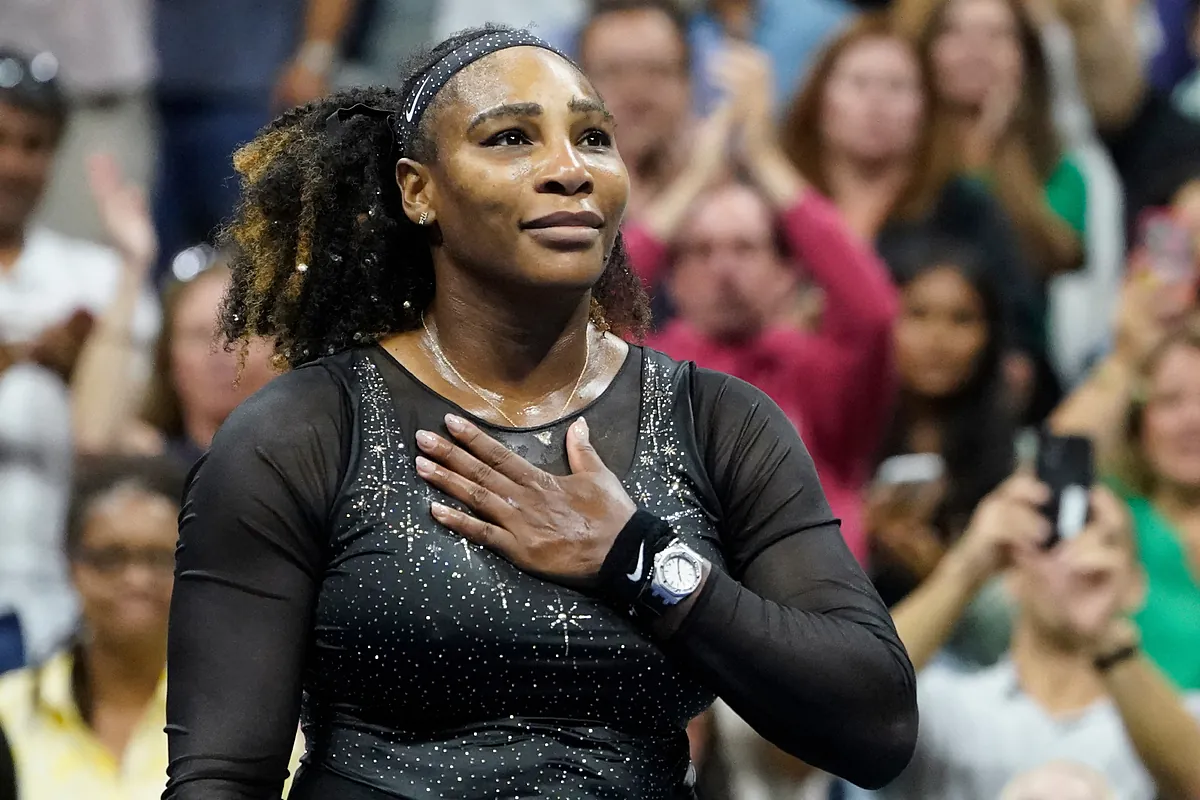
Andy Roddick believes the criticism aimed at Serena Williams over weight loss medication misses a bigger point, suggesting it may signal preparation rather than retreat.
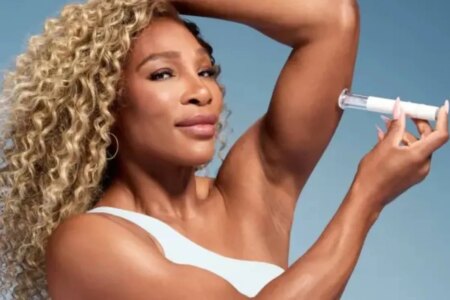
In August 2025, Williams told People she was using GLP-1 medication as part of her weight management plan, later appearing in a Super Bowl XL advert promoting it.
Online reaction was swift, with debate over fairness and performance impact, yet Roddick framed the decision through a competitive lens during his Served podcast.
“I can tell you something that I think I know for a fact, right,” Roddick said. “I’m not Serena. I can’t play anymore. I stink.
“And if I decided that I wanted to come back, guess what I would be doing immediately? Immediately, I’d be dropping 20 pounds as fast as I can.
“I would be taking those drugs because you know what becomes easier when you are 20 pounds lighter?
“Actually, getting back to the training that you need without getting injured to get back on tour. So they are like “Oh, it doesn’t enhance performance.”
Roddick argued the benefit is indirect, reducing strain before elite preparation intensifies, thereby lowering injury risk during the demanding build-up phase.
“If you start training from a place of 25 pounds less,” Roddick said. “Guess what’s less likely to happen? Getting hurt.
“So, it’s not on the day. It’s like if I was going to do it, I would absolutely do it and try to drop as much before I committed back to the training process.”
Serena Williams Tennis Comeback: What do we know?
Speculation surrounding a return has grown steadily, especially after Williams discussed broader health improvements linked to the medication earlier this year.
In January 2026, speaking to Today.com, she outlined measurable gains beyond weight, emphasizing longevity and cardiovascular stability over aesthetics.
“My blood sugar is better. I was able to lower my cholesterol by 30%,” Williams said. “Some of these numbers [previous high cholesterol levels] are from when I was literally winning Grand Slams.
“It wasn’t, like, just playing tennis. I was dominating. I was at risk for heart disease, and I didn’t even know. … That’s scary.”
Her remarks reframed the narrative, shifting focus from image to preventive health, a concern even peak performance had masked.
Further intrigue followed when her name appeared in the anti-doping testing pool, a procedural step often required before re-entering competition.
Though she avoided firm commitments, her response kept possibilities alive when questioned on national television.
“I’m just having fun and enjoying my life right now. I don’t know, I’m just going to see what happens,” Williams said, refusing to confirm nor deny in that moment.
And training sessions with Alycia Parks have intensified chatter, with Parks praising Williams’ physical readiness and competitive presence.
“She is in great shape. So I think she would kill it on tour,” Parks added, reinforcing the sense that preparation, not nostalgia, may define the next chapter.
Read the full article here