



The WNBA’s collective bargaining negotiations remain at a standstill, despite months of talks. The Women’s Players Association (WNBPA) has submitted a revised proposal in hopes of breaking the deadlock, significantly reducing its demands compared to earlier offers.
The dispute centers on revenue distribution. The WNBPA wants a share of gross revenue, while the league insists on calculating revenue after deducting operating expenses.
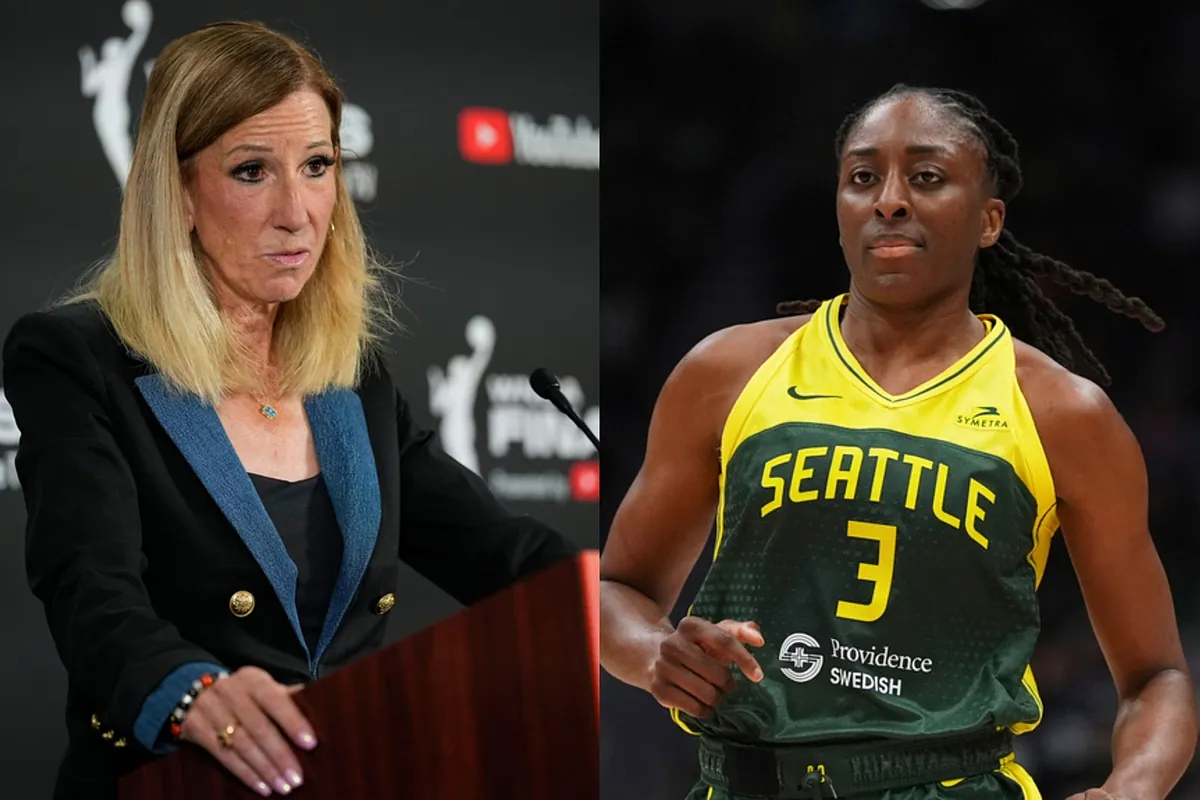
WNBPA President Nneka Ogwumike and WNBA Commissioner Cathy Engelbert remain locked in a dispute that even puts the start of the 2026 season, scheduled for this May, at risk.
The WNBA revised its proposals for the CBA downwards
On Friday, ahead of the March 10 deadline, the union introduced concessions in its latest proposal:
Revenue Sharing: The WNBPA lowered its demand from 27.5% to 26% of gross revenue. The league counters with 70% of net revenue, equivalent to less than 15% of gross revenue.
Housing Benefits: The union dropped the multi-year contract condition and reduced the salary threshold from 80% to 75% of the maximum salary. Players above that threshold would secure housing independently.
Development Players: The union now proposes a six-season service limit, down from an indefinite term. The league favors a four- or five-year cap.
The salary cap is the bone of contention
Salary cap negotiations also remain contentious. The union is holding firm at a $9.5 million cap for the first year of the agreement. The WNBA proposes $5.65 million in 2026, with increases tied to revenue growth.
Under the league’s plan, maximum salaries would rise from $1.3 million in 2026 to $2 million by 2031, while average salaries would grow from $540,000 to $780,000. For comparison, the 2025 supermax was $249,000.
Read the full article here