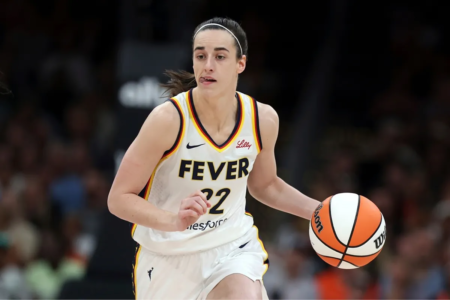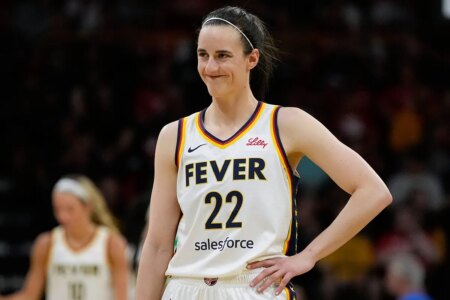






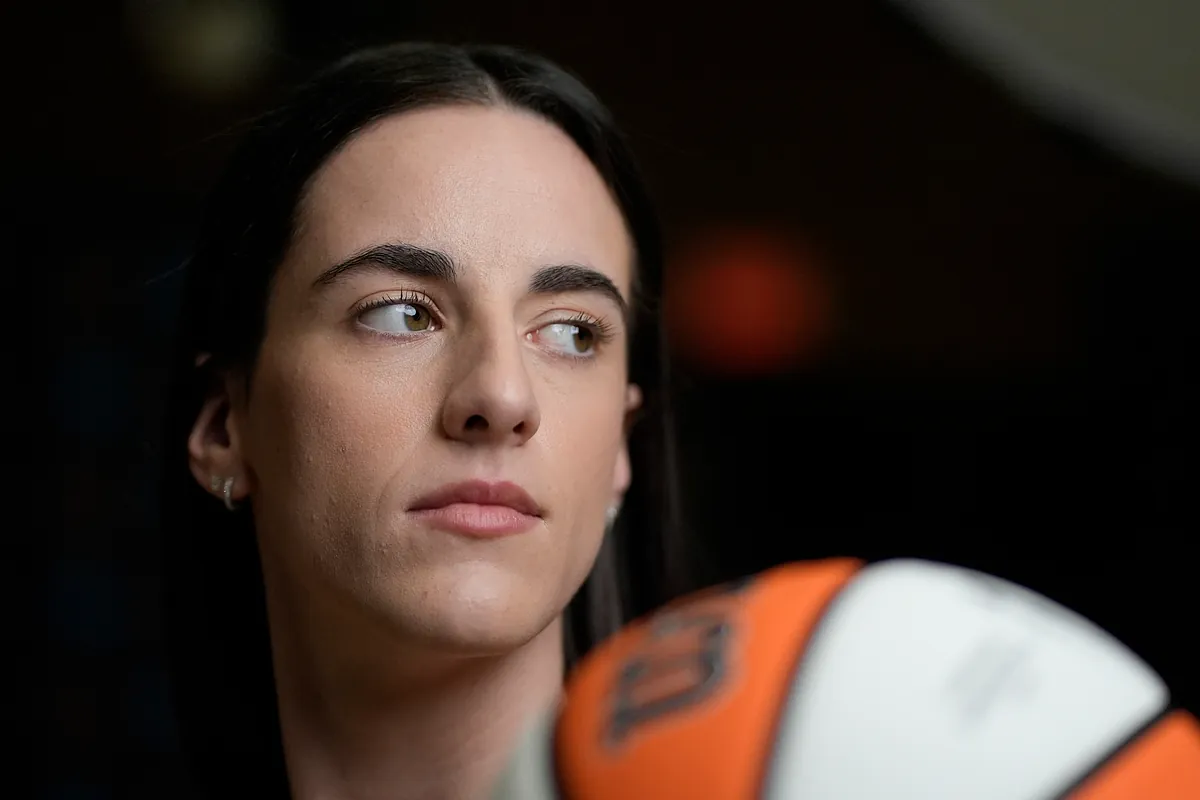
Cathy Engelbert‘s recent assertion that Caitlin Clark should “be grateful she makes $16 million off the court” has triggered a flashpoint in the WNBA’s ongoing power struggle.
What might have been intended as praise, or cold economic reality, has instead become a storm of criticism from reporters, former players, and league watchers who argue the remark reveals an underlying dismissiveness toward the athletes.
The controversy began during Napheesa Collier‘s exit interview, when she attributed the following quote to Engelbert:
“Caitlin should be grateful she makes $16 million off the court, because without the platform that the WNBA gives her, she wouldn’t make anything.” From that moment, the remark took on a life of its own.
On the Good Follow Podcast, Ros Gold-Onwude tore into it:
“Pattern that I’m seeing, contempt, a pattern of contempt. The alleged comments of the commissioner about Caitlin Clark and other players, and the way that they benefit from the WNBA platform, show me contempt, and that’s not a mindset that values the players as partners in this business. For me, it’s very condescending, and it’s very outdated.”
Gold-Onwude’s critique zeroes in on how the statement frames star players not as contributors to the league but as beneficiaries of it, suggesting a hierarchy rather than partnership.
League reaction vs. floor reality
Cathy Engelbert offered a rebuttal following Collier‘s remarks, stating, “I am disheartened by how Napheesa characterized our conversations and league leadership, but even when our perspectives differ, my commitment to the players and to this work will not waver.”
The response stops short of a direct denial, leaving space for lingering doubt about intent.
Observers say the comment ties into a pattern: when players, fans, and experts raise concerns, particularly about officiating, Engelbert’s office has often replied with corporate reassurance rather than consultation.
At the All-Star weekend back in July, she said, “As we go forward on the officiating, we hear the concerns. We take that employee input. Every play is reviewed. We spend hours and hours and hours. Obviously, we use that then to follow up with officials’ training.”
But critics view this as boilerplate talk detached from what actually happens on the court.
Becky Hammon‘s frustration with the league’s physical style of play (voiced after a Game 2 win) and the injury blowups that followed only deepened this mistrust.
Meanwhile, viewership slumped when Caitlin Clark was sidelined, underscoring the tangible impact that star players have on league momentum.
If Engelbert and her team believe they’re bestowing a gift by giving players a platform, it suggests that they see the athletes as dependent rather than integral to the league’s success. But as more players question that framing, the WNBA is confronting a leadership identity crisis.
Read the full article here