





Tiger Woods’ case has just taken a significant turn for the worse. Following the car accident that resulted in another DUI arrest, recent revelations about the golfer’s condition after the crash and the contents of his pockets paint a very unfavorable picture for him.
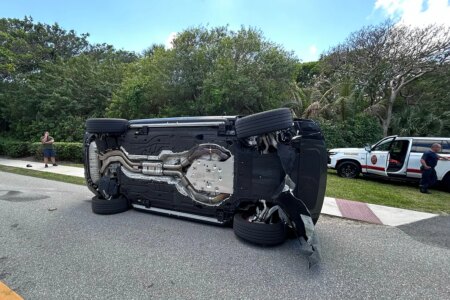
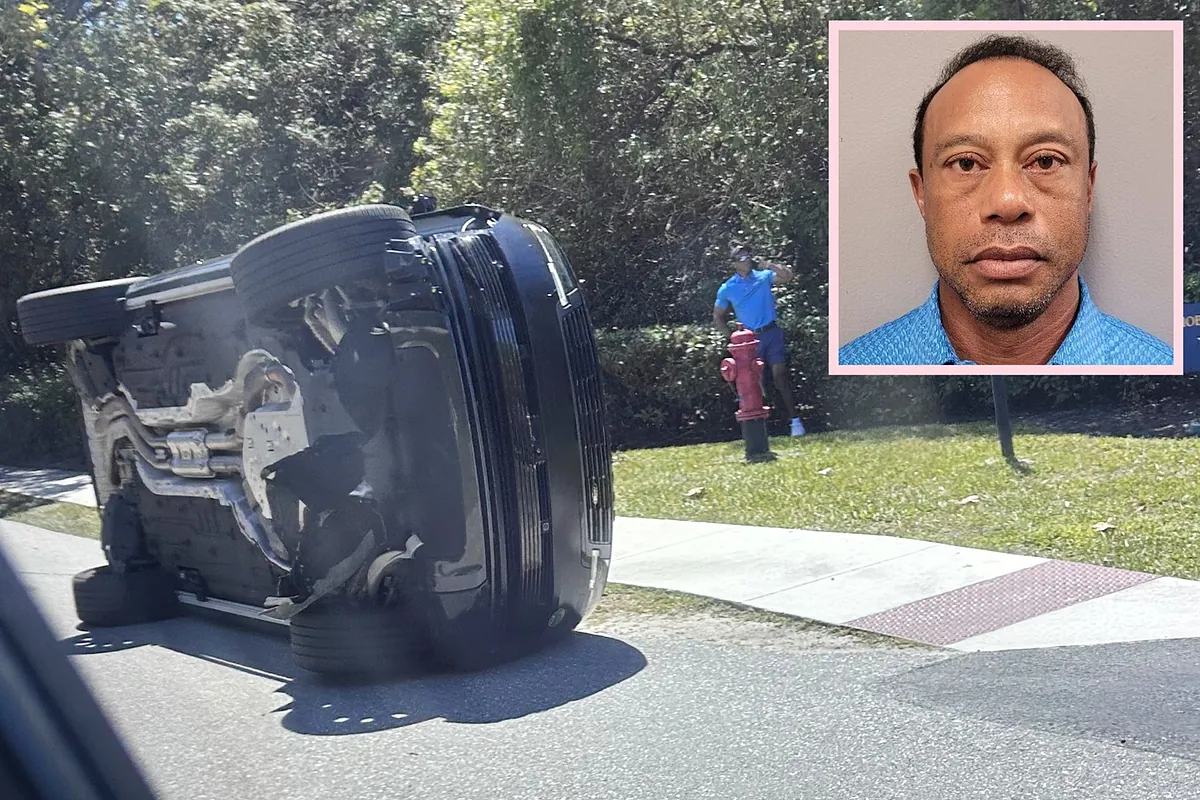
On March 27, the former PGA No. 1 rolled his luxury SUV after colliding with a vacuum truck near his home on Jupiter Island, Florida.
The accident resulted in no injuries, and Woods was arrested on charges of driving under the influence, property damage, and refusing to take a urine test.
The case was already complicated due to a similar incident he suffered in May 2017. However, his situation became even more difficult when police found two pills in his pockets.
The pills that could bring more severe charges for Woods
In his statement, Woods claimed he was distracted by his cell phone and tuning the radio, which caused the accident. Field tests and a breathalyzer confirmed he had not consumed alcohol.
However, according to a TMZ report, police found two white pills imprinted “M367” at the scene, which were later identified as hydrocodone, an opioid medication used to treat severe pain.
The officers who responded to the incident reported that they initially noticed Woods was:
- “Lethargica and slow.”
- With “severe signs of impairment.”
- His eyes were “bloodshot and glassy.”
- His pupils were “extremely dilated.”
In the accident report, obtained by TMZ, the officers stated that they later observed Woods to be “extremely alert” during the investigation, and when asked if he was taking any prescription medications, he replied, “I take a few.”
What awaits Tiger Woods?
According to Florida law, Woods is no longer eligible for the diversion program because he is not a first-time offender.
Thus, for the charge of refusing a urine test, he could face up to 60 days in jail, a $500 fine, and a one-year administrative suspension of his driver’s license.
Since the accident was caused by DUI and resulted in property damage, he could also face up to one year in jail, 12 months of probation, and mandatory community service.
Read the full article here