




Unrivaled entered its second season hoping to prove it could grow beyond novelty, but Caitlin Clark‘s absence has quickly become part of the story as viewership slides and early optimism fades.
What was billed as the next phase of a bold 3×3 experiment has instead reopened a familiar debate about whether any emerging league can truly thrive without the gravitational pull of generational stars.
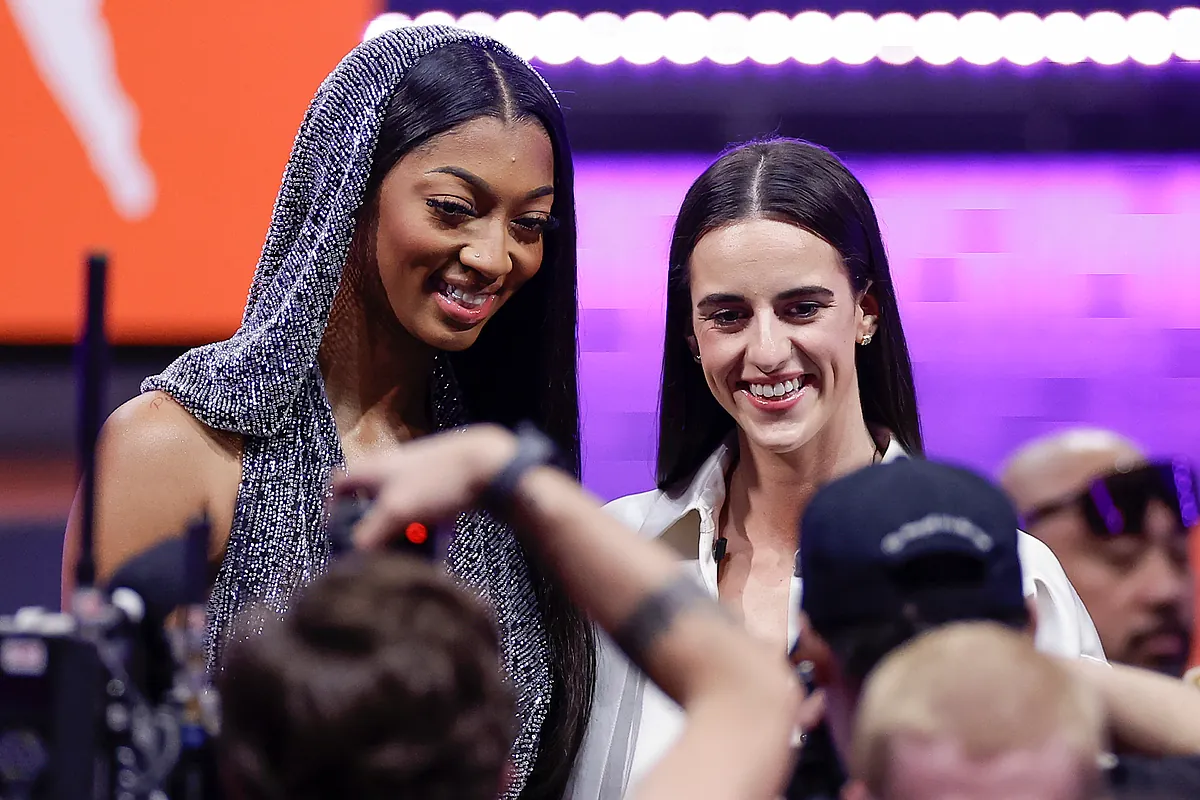
The warning signs surfaced even before opening tip. A late 2025 marketing campaign teased fans with repeated references to the number “22,” widely interpreted as a hint that Clark or fellow standout Angel Reese could be joining the league.
When no announcement followed, disappointment turned into skepticism. Analyst Rachel Annamarie DeMita called the rollout a misstep that damaged trust at precisely the wrong moment.
“They kept dropping these 22 references, and people naturally assumed it meant Caitlin or possibly Angel,” DeMita said in a recent YouTube breakdown. “And then nothing happened. That’s a tough look when you’re trying to build credibility.”
The timing could not have been worse. Unrivaled expanded from six to eight teams this season, increased roster sizes and moved into slightly larger venues, betting that curiosity and momentum would follow.
Instead, early broadcasts drew significantly fewer viewers than last year’s debut, and some opening weekend crowds left visible pockets of empty seats.
Marketing hype meets the reality of star power??
The league’s first season benefited from novelty and recognizable names such as Breanna Stewart, Napheesa Collier and Sabrina Ionescu.
This year, injuries have sidelined Ionescu, while player movement to other ventures has thinned the marquee appeal. Reese remains a prominent draw, but the absence of Clark, the sport’s most visible figure, has been difficult to ignore.

DeMita argued the marketing tease amplified the problem by creating expectations the league could not meet. Fans who tuned in anticipating a major reveal instead disengaged when the headline attraction never arrived, contributing to a sharper drop in early ratings.
Compounding the challenge is a shifting financial landscape. The WNBA‘s newly ratified collective bargaining agreement dramatically raises player compensation and revenue sharing, narrowing one of Unrivaled’s original advantages.
“The WNBA is now paying players more than what Unrivaled was promoting,” DeMita said, noting that the incentive for elite players to jump leagues has diminished.
That reality helps explain why Clark remains focused on her WNBA path, rehabilitation and expanding her off-court brand rather than pursuing side leagues.
Even in a season limited by injuries, she continues to command massive attention through endorsements, high profile appearances and a growing signature line with Nike.
For Unrivaled, the stakes extend beyond a slow start. Its television agreement includes opt out provisions tied to performance, meaning sustained declines could force difficult strategic decisions.
Upcoming road events and special showcases may provide short term bumps, but long term stability likely depends on either landing true headline stars or redefining what makes the league essential viewing.
The early turbulence has reinforced an uncomfortable truth: innovation alone rarely replaces star power. Until new icons emerge or established ones commit, the sport’s brightest names will continue to shape the narrative, even from afar.
Read the full article here