





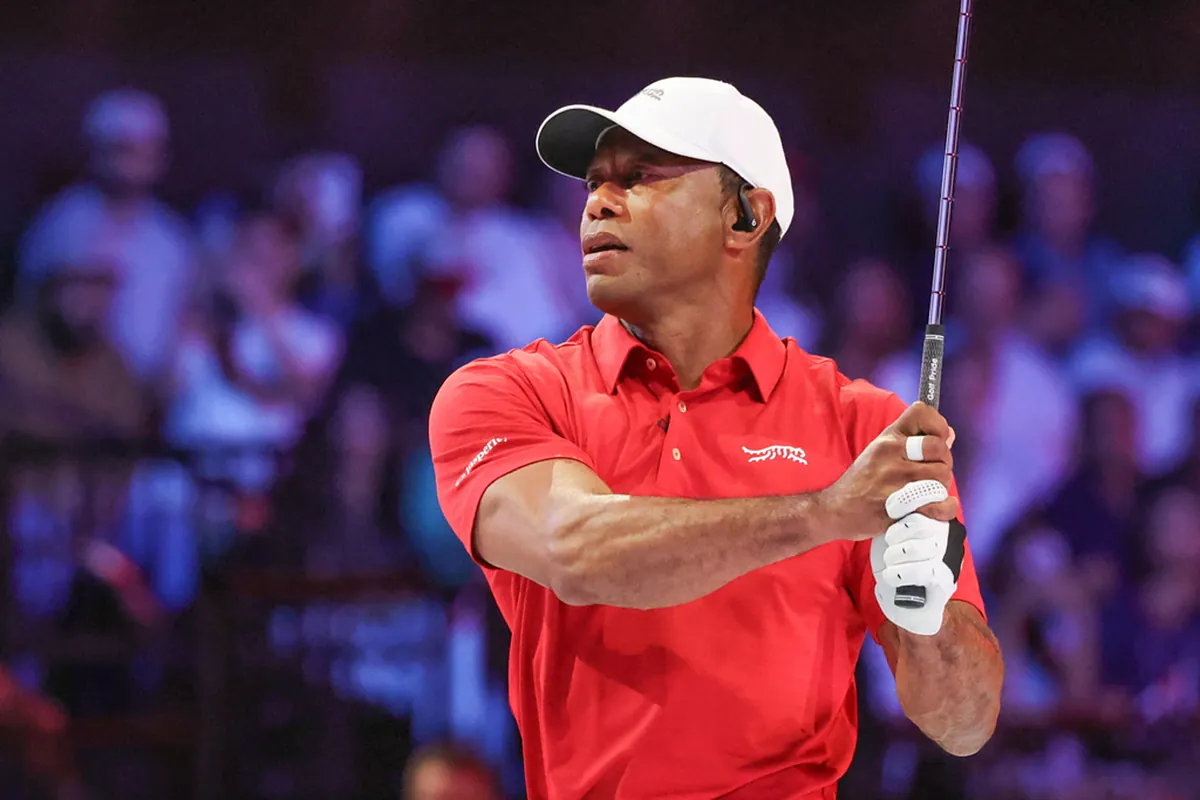
The timing could hardly be more complicated for Tiger Woods. Just days after signaling he was working his way back toward competitive form, the 15-time major champion now finds himself balancing renewed Mastersambitions with the fallout of a high-profile arrest that has once again placed his personal life under a microscope.
Woods was taken into custody in Florida following a rollover crash and now faces charges that include driving under the influence, property damage, and refusing to submit to a lawful test.
According to authorities, his vehicle struck a trailer before flipping, though remarkably, no one was injured in the incident.
The legal situation alone would be enough to cast doubt on any athlete’s short-term plans. For Woods, it arrived at a moment when his competitive calendar was already uncertain. The 50-year-old had recently acknowledged the physical toll of his career, admitting, “This body, it doesn’t recover like it did when it was 24, 25.”
That reality has defined much of the latter phase of his career. Since his dramatic victory at the Masters Tournament in 2019, Woods has been locked in a cycle of recovery and limited appearances, managing lingering injuries from multiple surgeries and a devastating 2021 car crash.
Yet even now, the possibility of Augusta still lingers.
A comeback narrative facing new resistance
Woods‘ relationship with the Masters is unlike any other player’s. As a past champion, he holds a lifetime exemption to compete, meaning the decision ultimately rests with him, assuming he is physically able and not otherwise restricted.
Before the latest incident, Woods had been inching toward another appearance, carefully building up his strength and hinting at a return. His presence alone has consistently elevated the tournament, drawing massive attention regardless of his place on the leaderboard.
From a legal standpoint, the case remains unresolved. From a competitive standpoint, the interruption to his preparation could be significant. And from a public perception standpoint, the scrutiny surrounding Woods, something that has followed him for much of his career, has intensified once again.
Authorities said Woods showed signs of impairment at the scene, though a breath test registered no alcohol. Investigators have indicated that medication may have been a factor, a detail that echoes his 2017 arrest, which he later attributed to a reaction to prescribed drugs.
That history adds another layer to the current moment. Woods‘ career has long been defined not only by dominance on the course but also by his ability to rebound from adversity, whether physical, personal, or both.
Even before the arrest, Woods‘ 2026 schedule was far from straightforward. He has been deeply involved in shaping the future of professional golf, while also weighing a potential leadership role as a Ryder Cup captain.
But the question now is not just whether he can play. It is whether the circumstances surrounding him will allow for a meaningful return.
Read the full article here