




New details that have begun to emerge paint a clearer picture of the accident Tiger Woods suffered Friday afternoon on Jupiter Island, Florida. Witness and official reports have revealed how the crash unfolded, and the charges the former PGA No. 1 faces.
The new charges mark a significant legal development for the 15-time major champion as investigators continue to review the crash and the circumstances surrounding his refusal of a requested drug test.
According to reports, the 50-year-old was driving northbound on South Beach Road near his Jupiter Island home when he attempted to pass a truck hauling a pressure cleaner that had slowed to turn into a driveway.
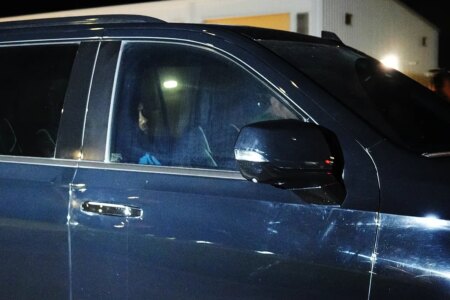
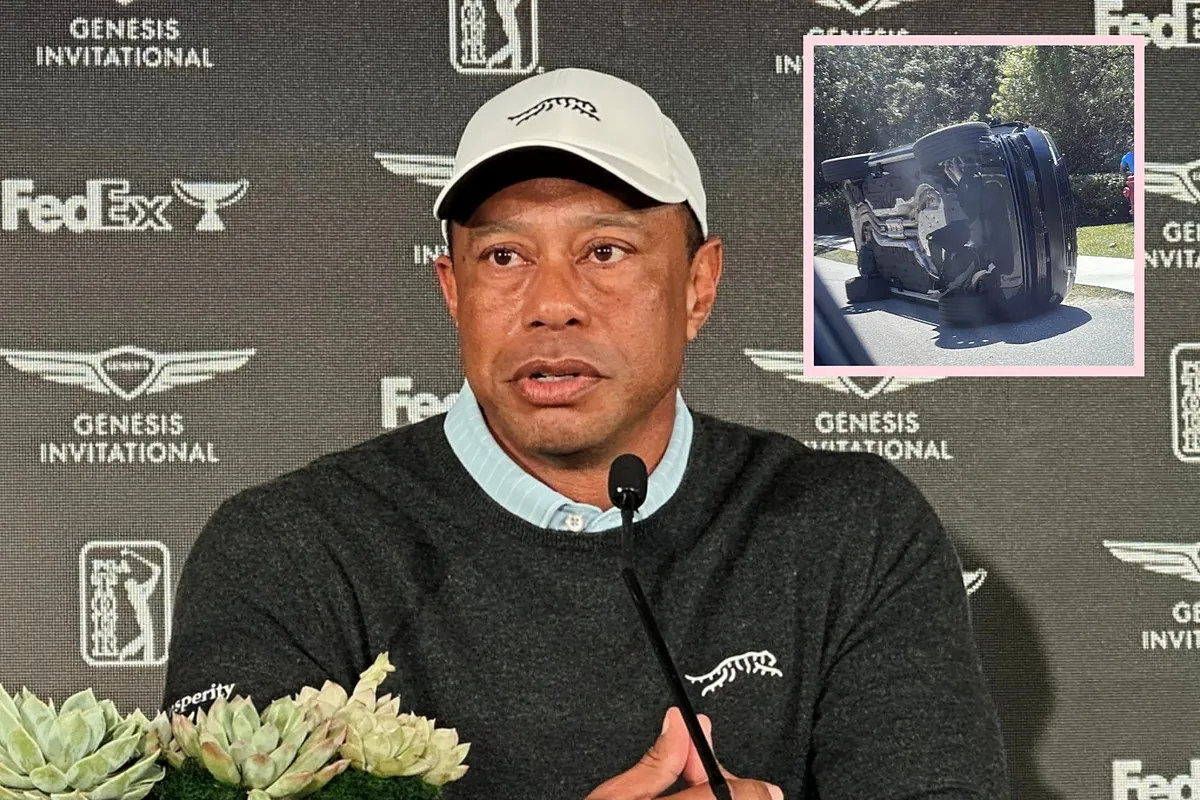
A photo from the scene showed Woods’ black Land Rover on its side after the crash.
Crash scene and sequence of events
Woods reportedly swerved to avoid the truck, clipped the back of the trailer, and flipped his vehicle, which then slid down the roadway.
He exited the Land Rover by climbing out of the passenger window. Neither Woods nor the other driver were reported to have been injured.
Responding officers administered a breathalyzer test that returned a 0.00% bloodalcohol reading.
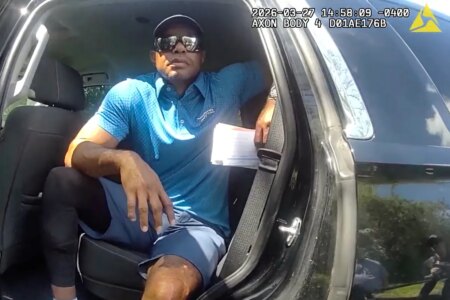
Authorities say Woods refused a requested urinalysis for other drugs and was subsequently arrested and booked into Martin County Jail, where Florida law required him to remain for eight hours.
Charges and legal implications
Sheriff John Budensiek confirmed Woods faces charges of DUI, property damage, and refusal to submit to a lawful test. Under a Florida law that took effect October 1, 2025, refusing a chemical test can be charged as a second-degree misdemeanor rather than a civil infraction.
Because the crash involved a high-speed rollover and property damage, prosecutors have also filed a first-degree misdemeanor count tied to the incident.
Woods’ legal exposure is compounded by his prior DUI arrest in 2017 in Jupiter Beach. At that time, toxicology tests found multiple substances in his system, and Woods later said the episode resulted from an adverse reaction to prescription medications.
Read the full article here