





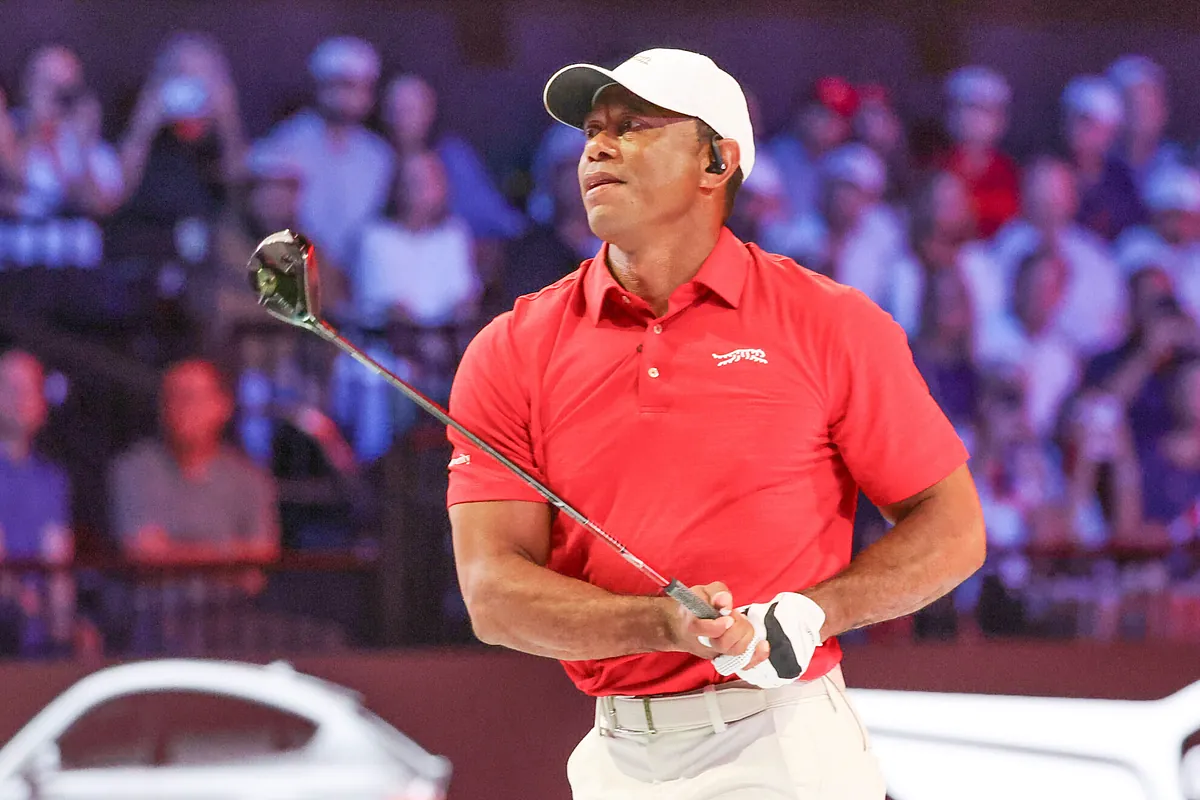
Tiger Woods‘ latest trip to rehabilitation is being viewed as more than just another step in his long history of personal recovery.
For one of the wealthiest and most recognisable athletes in the world, it has become a pivotal moment that could shape not only his legacy, but the financial empire built around his name.
The 15-time major champion quietly travelled to Zurich earlier this month to begin treatment, removing himself from the spotlight at a time when scrutiny over his future is intensifying.
While Woods has previously navigated public setbacks, this situation carries a different kind of weight, one tied as much to business stability as personal wellbeing.
“I know and understand the seriousness of the situation I find myself in today,” Woods said. “I am stepping away for a period of time to seek treatment and focus on my health.”
The financial pressure behind the rehab decision
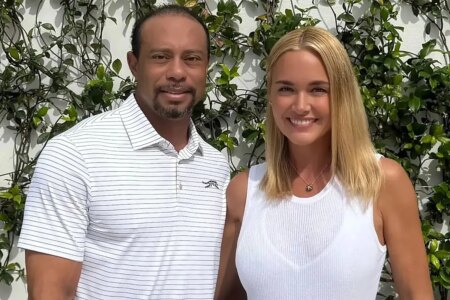
“This is hell for him because he’s away from his kids [Sam and Charlie] and girlfriend [Vanessa Trump],” a source told RadarOnline.
“But he had no other choice. He could lose millions in endorsement deals if he doesn’t get his act together.”
Woods‘ career has long been defined by his dominance on the course, but his financial success has been built largely away from it.
Endorsement deals, licensing agreements and long-standing partnerships have made him one of the highest-earning athletes of all time, even as injuries limited his playing schedule in recent years.
That model depends on more than performance. It relies on consistency, trust and a carefully managed public image. Any disruption, particularly one that removes Woods from view, creates uncertainty around those relationships.
The timing of this latest setback is significant. At 50, Woods is no longer competing regularly enough to offset reputational issues with results alone. His value is tied to legacy and visibility, meaning time away from the game carries financial implications that did not exist earlier in his career.
A comeback story enters a new phase
Woods has rebuilt before. His return to win the 2019 Masters remains one of the most remarkable comebacks in sport, redefining how his career would be remembered after years of injury and personal turmoil.
But the current challenge is different. It is not just about whether he can return to competitive golf, it is about whether he can maintain the broader ecosystem that surrounds his brand. The margin for error is smaller, and the consequences of further disruption are greater.
Support from within the game reflects both respect for his achievements and recognition of the moment he faces.
“All I can hope is that he gets the help that he can get and he can come back in a better position after that,” Jon Rahm said via Golfweek, describing Woods as “arguably the king of comebacks.”
Fred Couples added: “I would tell him I love him and things can always get better.”
Read the full article here