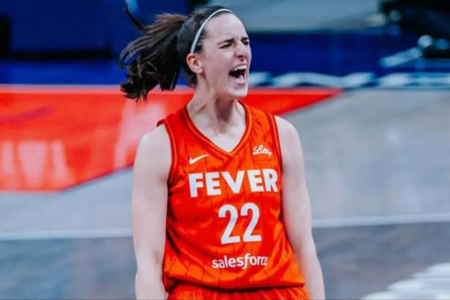






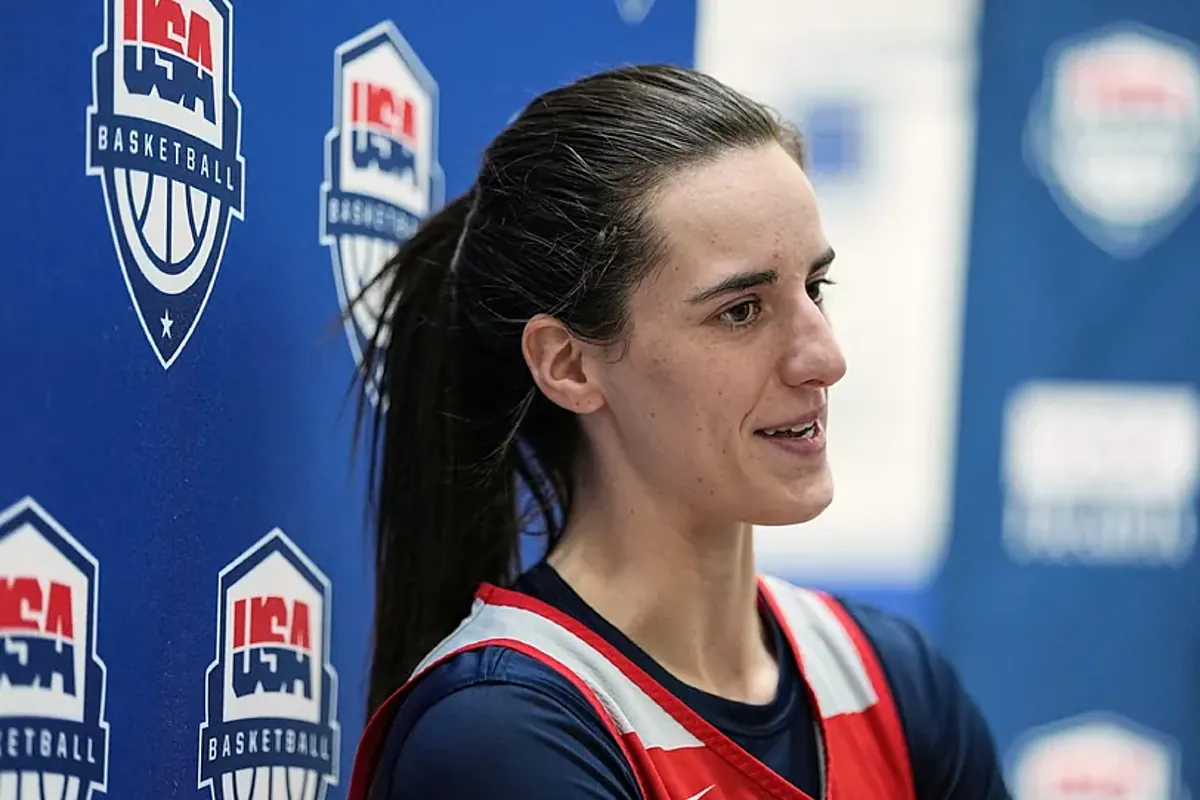
The WNBA faces a pivotal moment as the superstar Caitlin Clark and her peers gain unprecedented influence over league negotiations as the Collective Bargaining Agreement continues to go unresolved with the January deadline approaching.
The players’ leverage could reshape the sport’s economic landscape but despite that, the NBA‘s Commissioner Adam Silver expressed optimism about resolving the ongoing labor discussions.
“I remain optimistic we’ll get something done,” Silver said, signaling potential mediation ahead of the Knicks‘ NBA Cup victory.
The league reportedly proposed roughly 15 percent revenue sharing, with projected average salaries of $500,000 and maximum compensation of $1.2 million in the first year. Yet players rejected the offer, citing missing housing benefits as they continue to maintain a firm and united stance.
“Our membership has authorized the WNBPA‘s Executive Committee to call a strike when necessary,” the union stated via Alexa Philippou. “The players’ vote is neither a call for an immediate strike nor an intention to pursue one.”
Rather, the vote emphasizes player solidarity and confidence in their leadership. It signals readiness to escalate negotiations, applying pressure on the league to revise proposals in favor of player demands.
The WNBPA wants reinstatement of team housing, a 29 percent revenue share in the first year of a new CBA, rising to 34 percent in the final year, and improved benefits. These demands reflect the growing power of elite players like Clark.
While a strike could jeopardize the 2026 season, the league and players have roughly three weeks to reach an agreement. The WNBA is being forced to reckon with a new reality where top talent wields unprecedented power.
How can rivals leagues to the WNBA impact this situation?
Emerging leagues such as Project B and Unrivaled have become critical factors in the WNBA‘s labor discussions. These alternatives provide players with leverage that was previously unavailable.
Unrivaled, now in its second season, has expanded to include two new teams. It offers higher salaries than the current CBA, averaging $220,000 last season, and positions itself as a competitive, offseason alternative.
Project B presents an even larger threat, offering seven-figure starting salaries, multiyear contracts reaching eight figures, and equity in the league. Its global 5-v-5 format does not conflict with WNBA scheduling.
The involvement of WNBPA president Nneka Ogwumike and star Sophie Cunningham has further strengthened the credibility of rival leagues. Their participation underscores alternative career paths for top talent.
With these options, the WNBA cannot rely solely on its historical prestige. Players now have real negotiating power, knowing they could pursue lucrative opportunities outside the traditional league.
Clark‘s rise amplifies this effect. The star guard has elevated the league’s profile, increasing ticket sales, merchandise revenue, and media attention. Her influence sets the tone for other elite players in contract talks.
Historical precedent shows the WNBA may adjust revenue-sharing terms under pressure.
Read the full article here