





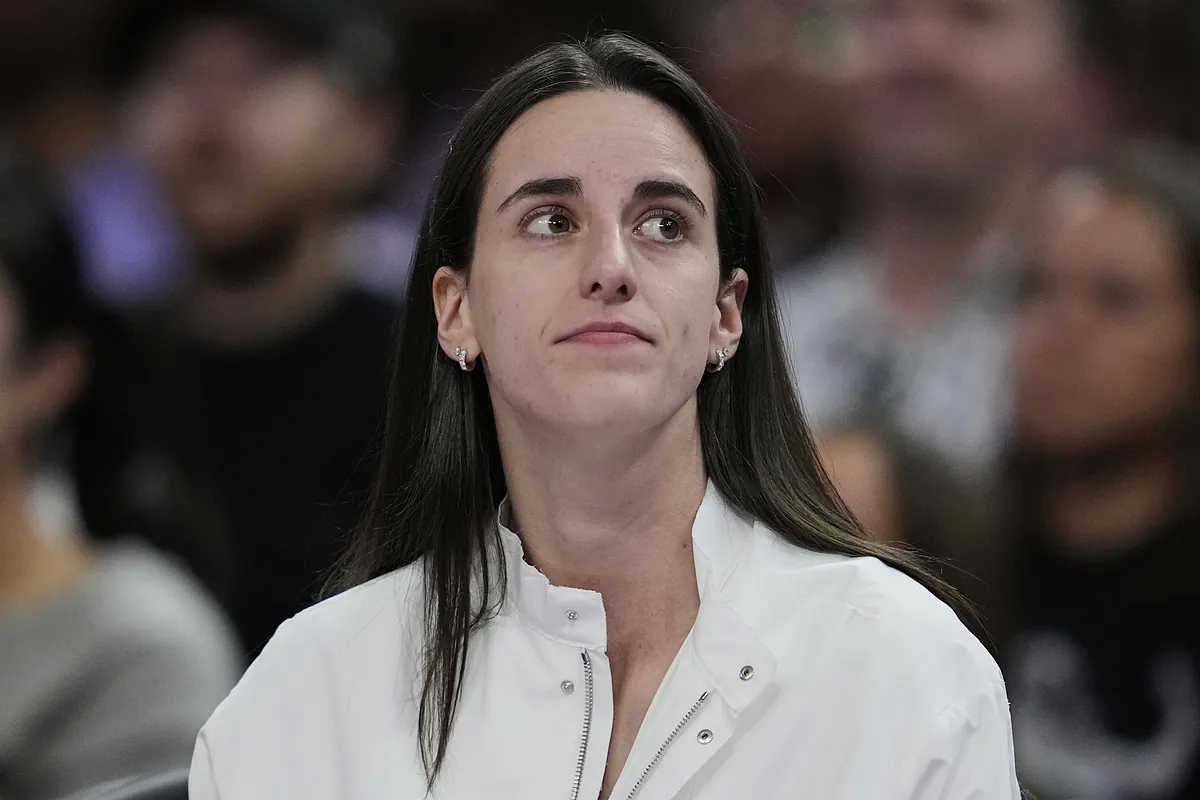
The WNBA has re-entered collective bargaining talks with a new proposal to the players’ union, ending a quiet stretch that had raised concern about stalled negotiations.
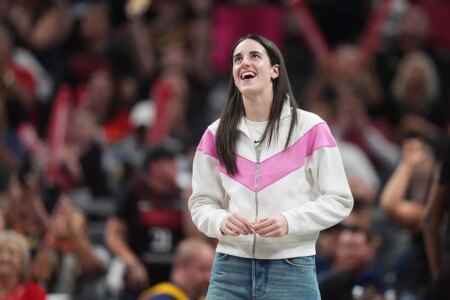
It could have a massive impact on Indiana Fever star Caitlin Clark’s future, as well as hundreds of others.
While the submission signalled renewed engagement from the league, it also made clear that the most consequential issues shaping the future of women’s professional basketball remain unsettled.
After weeks with little visible movement, league and union representatives met on Monday in what many hoped would be a turning point.
That meeting came without a detailed counter to the players’ earlier proposal, but the league committed to delivering a revised offer.
It has now followed through, formally submitting a fresh collective bargaining agreement proposal to the WNBA Players Association.
Why has there been a delay?
At the centre of negotiations are two defining pillars: how league revenue is shared and how high the salary cap will rise as the sport continues to grow.
Those figures will determine not only player compensation, but also how the league positions itself in a rapidly evolving sports landscape.
The latest proposal, however, focused more on player benefits than on those headline financial terms.
According to reports, the league’s new offer includes notable improvements to housing and facility standards.
Developmental players would be guaranteed studio apartments, while players on minimum contracts with no prior years of service would receive a single bedroom apartment for the first three years of their deals.
For younger players, particularly those entering the league without financial security, those changes represent tangible quality of life upgrades.
Revenue sharing and salary caps remain the sticking point
The WNBPA has consistently framed revenue sharing and salary growth as non-negotiable priorities.
In its most recent proposal, the union called for players to receive 30 percent of the league’s gross revenue, alongside a salary cap set at $10.5 million.
Union leaders argue those figures better reflect the league’s rising visibility, sponsorship interest, and cultural relevance.
The league’s previous stance has been far more conservative. Its last known proposal offered players 60 percent of net revenue and a salary cap of $5.65 million.
The distinction between gross and net revenue is central to the disagreement. From the league’s perspective, sharing gross revenue would risk significant annual losses, particularly as it continues to invest in expansion, marketing, and infrastructure.
League officials have maintained that a higher share of net revenue ensures long term stability while still increasing player compensation.
Under the current collective bargaining agreement, the salary cap for the 2025 season sits at roughly $1.5 million.
That figure has become a symbol for players who believe compensation has lagged far behind the league’s growth. While both sides agree the cap must rise substantially, how far and how fast remains a point of contention.
Read the full article here