





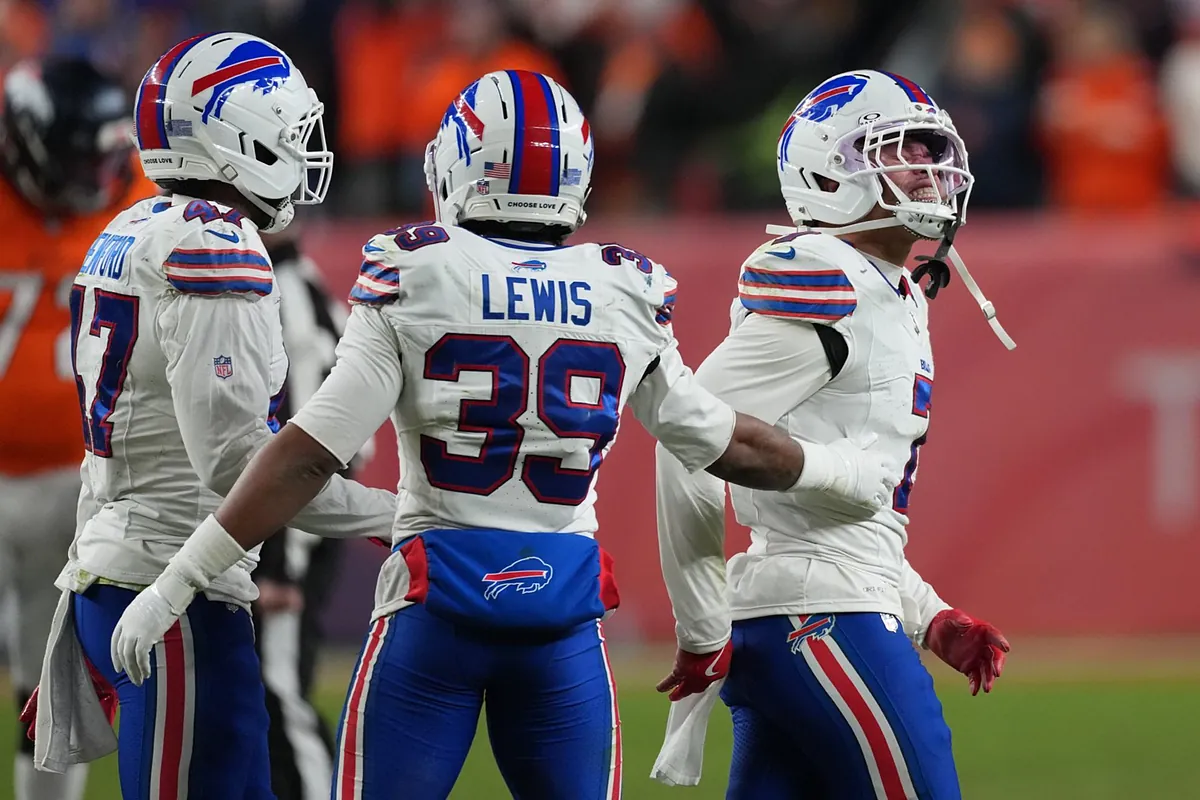
The matchup between the Buffalo Bills and the Denver Broncos promised to be an epic battle in the AFC Divisional Round, but it ended up leaving a bitter taste among NFL fans, especially due to the overtime outcome in a game where many believe the referees played a decisive role.
What was supposed to be a showcase of talent and strategy turned into a storm of yellow flags that altered the course of the contest. The officiating decisions in overtime, particularly during Denver’s final offensive drive, triggered a wave of criticism across social media.
Fans were quick to express their frustration. For many, the game lost its essence when penalties began to dictate the rhythm of play. The most controversial moment came with the play involving Brandin Cooks, a call that raised eyebrows and ignited debates about consistency in officiating criteria. Instead of allowing the players to settle the clash on the field, the referees took center stage, something supporters consider unacceptable in such a decisive scenario.
The general feeling was clear: the excitement of football was overshadowed by excessive interventions that, according to fans, “ruined the sport.” For those expecting a thrilling finish, the conclusion felt more like a lesson in rule enforcement than a true sporting spectacle.
Criticism from Watt, Parsons, and Orlovsky: Is the essence being lost?
Authoritative voices did not remain silent either. Defensive legend J.J. Watt took direct aim at the heart of the issue: “They are ruining the sport,” he stated, reflecting the sentiment of those who believe the league has crossed the line between protecting players and distorting competition.
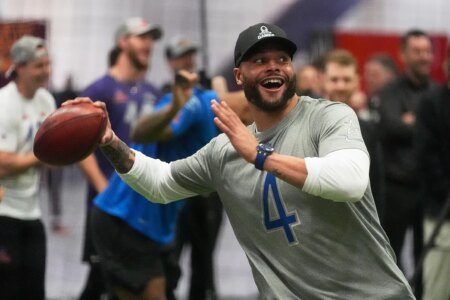
Micah Parsons, star of the Dallas Cowboys, joined the chorus of discontent, questioning the lack of balance in the decisions and the impact they have on the flow of the game.
For his part, Dan Orlovsky, analyst and former quarterback, went even further by pointing out that the NFL urgently needs to review its officiating protocols. For Orlovsky, the excess of penalties not only affects the fairness of the result but also the spectator experience, which seeks excitement and authenticity, not constant interruptions.
What happened in the Bills vs. Broncos is not an isolated case but rather a symptom of a trend that could redefine the future of professional football and potentially affect other games. Could something similar happen in the Super Bowl?
Read the full article here