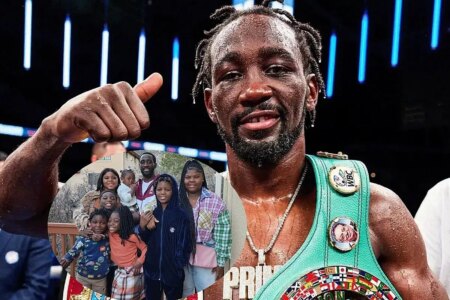






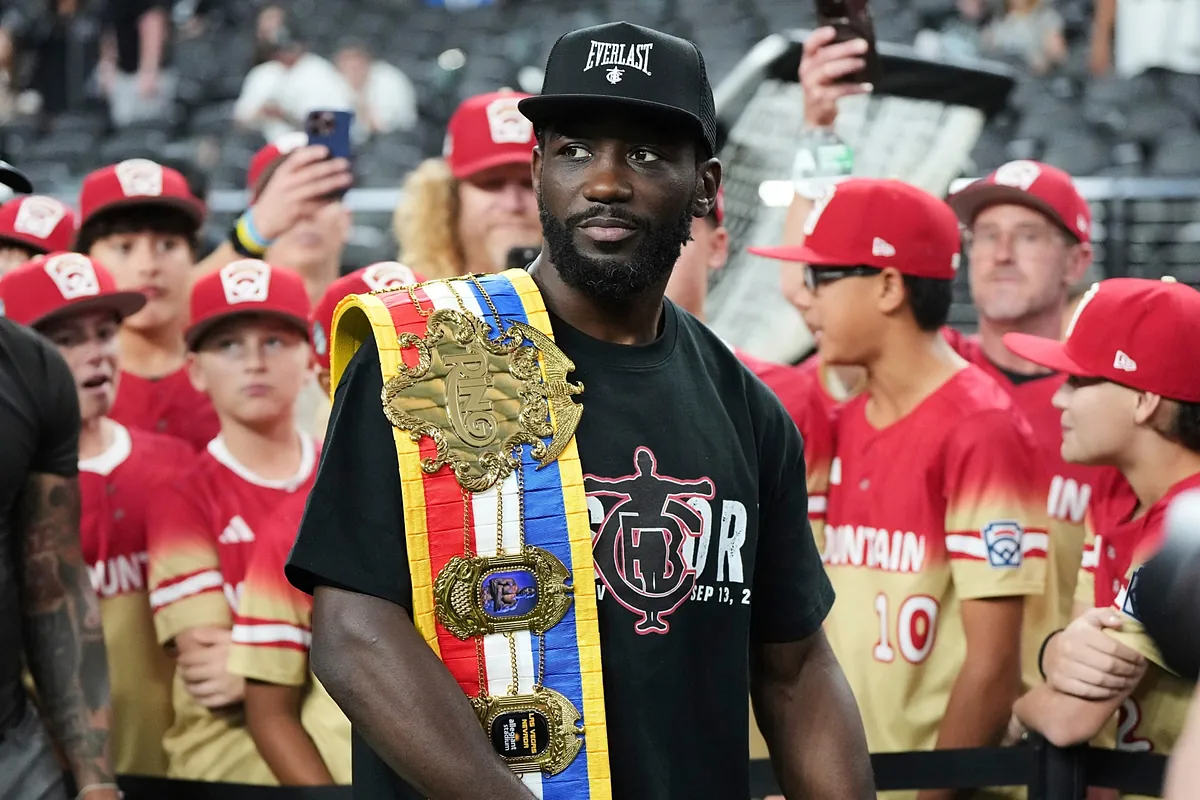
Terence Crawford’s rise never followed the loudest path, but his exit has landed with undeniable force. The 38-year-old boxer has chosen to retire just months after defeating Saúl ‘Canelo’ Álvarez, closing the book on a career that steadily grew into one of the most remarkable in modern boxing.
The conversation around Crawford’s future had lingered since September. After dismantling Álvarez and claiming undisputed status at super-middleweight, the questions began immediately. Would he defend the belts? Chase one last mega fight? Or walk away while standing above everyone else? Crawford stayed quiet, letting the moment breathe.
That silence felt intentional. From his early days in Omaha to becoming a global name, Crawford has always moved on his own timeline. His professional debut came in 2008, far from the spotlight, but each performance added another layer to a reputation built on discipline, adaptability, and control inside the ring.
Walking away as a great with nothing else left to prove
A career that kept rewriting the limits
The announcement finally arrived through Crawford’s own voice. In a video posted on his YouTube channel, he confirmed his retirement, saying he was “walking away as a great with nothing else left to prove.” The message was reflective rather than dramatic, fitting for a fighter who let results speak louder than hype.
Crawford retires with a perfect 42-0 record, including 31 knockouts, according to BoxRec. His win over Álvarez made him the first male fighter in the modern era to become undisputed champion in three weight divisions, a milestone highlighted by ESPN and The Ring as one of the rarest achievements in boxing history.

Across five weight classes, Crawford collected titles at lightweight, light-welterweight, welterweight, light-middleweight, and super-middleweight. His reign at welterweight included notable victories over Amir Khan and Kell Brook, both former world champions, reinforcing his dominance against elite opposition.
In his farewell message, Crawford spoke less about belts and more about purpose. He described chasing a feeling rather than fame, fighting for his family, his city, and the version of himself that started with nothing but ambition. There was no bitterness, only acceptance.
Now, with no rematch clauses pending and no unfinished rivalries, Crawford steps away on his own terms. In a sport where timing often works against its champions, Terence Crawford chose the rarest ending of all. He left when the story felt complete.
Read the full article here