



The lights are already on at Levi’s Stadium, at least symbolically.
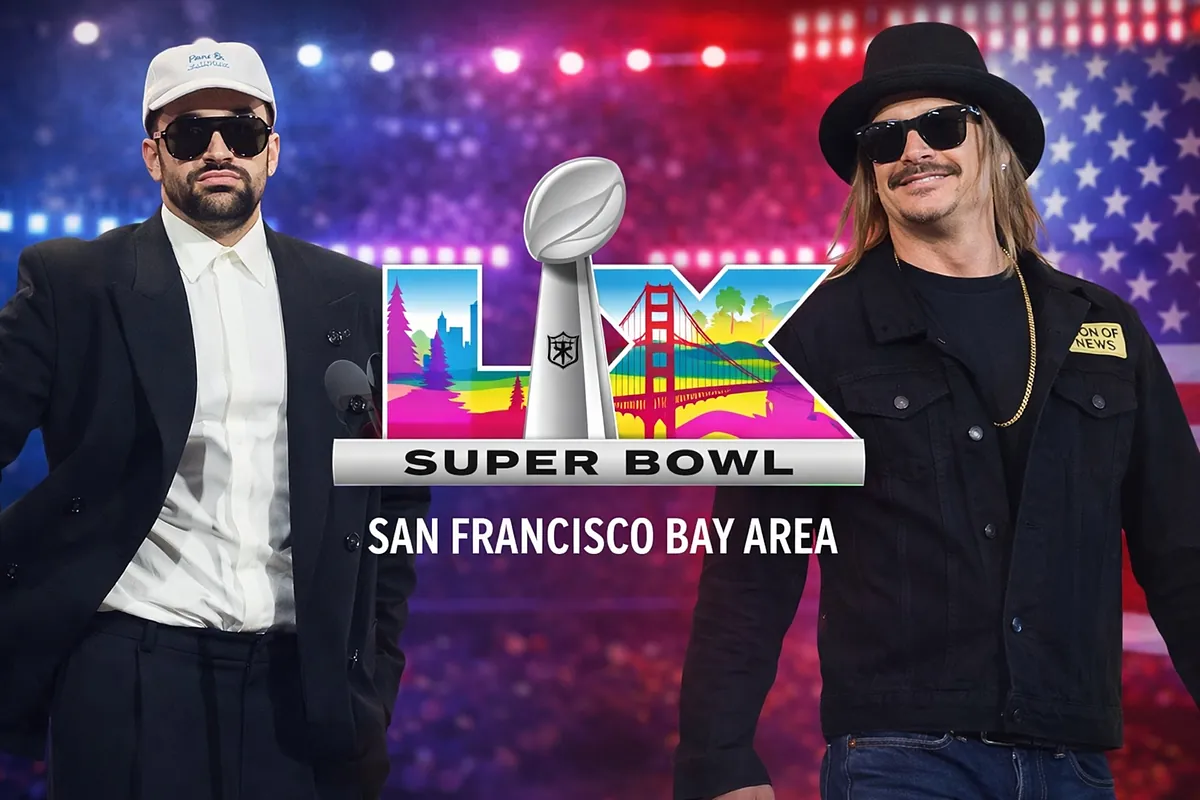
Bad Bunny is officially scheduled to headline the halftime show at Super Bowl LX on February 8, during the championship matchup between the Seattle Seahawks and the New England Patriots.
The announcement places the NFL’s most-watched entertainment moment directly into the middle of a cultural debate. The Puerto Rican superstar, one of the most streamed artists in the world, will take the stage during the halftime break of the league’s biggest game. It represents one of the NFL’s clearest signals yet that its audience is no longer viewed as strictly domestic.
Related:
- Super Bowl 2026: Date, time, location, and everything to know
- Where to watch the Super Bowl 2026? TV channel and streaming
- Super Bowl Halftime Show 2026: Everything about Bad Bunny’s performance
- How much do tickets for the Super Bowl cost in 2026?
- Super Bowl Winners List: All teams that have won the Vince Lombardi
Reaction was immediate and divided. Supporters framed the decision as a continuation of the league’s international growth strategy, one that has included overseas games and globally recognized performers in recent seasons. Critics, however, questioned whether the artist fit their vision of the Super Bowl’s identity. What began as criticism quickly evolved into organized opposition.
“We’re approaching this show like David and Goliath. Competing with the pro football machine and a global pop superstar is almost impossible … or is it?…
A competing halftime option takes shape
That opposition became public when Turning Point USA, a conservative organization founded by Charlie Kirk, announced plans for a rival halftime broadcast. The group revealed it would air an alternative show at the same time as Bad Bunny’s performance, branding it as “fully American.”
According to the announcement, the alternative event will feature country music artists Kid Rock, Brantley Gilbert, Lee Brice, and Gabby Barrett. No physical venue has been disclosed. Organizers stated the show will be distributed via digital platforms and conservative media outlets, positioning it as a viewing alternative rather than a live stadium event.
The timing is closely tied to recent controversy. Backlash toward Bad Bunny intensified following his appearance at the Grammy Awards, where he criticized U.S. Immigration and Customs Enforcement (ICE) after winning Album of the Year. His remarks shifted the conversation from music to politics, amplifying opposition to his Super Bowl role.
“He’s said he’s having a dance party, wearing a dress, and singing in Spanish? Cool. We plan to play great songs for folks who love America…
How this compares to past Super Bowls
The NFL has weathered halftime controversies before, but direct counterprogramming is a notable change. Previous performances by artists such as Beyoncé, Shakira, Jennifer Lopez, and Rihanna sparked debate, yet none triggered an organized alternative broadcast airing simultaneously.
With Super Bowl viewership regularly exceeding 100 million viewers, the halftime show remains one of the most influential entertainment platforms in American television. League officials have not commented on the alternative event, maintaining their longstanding position that halftime performers are selected for entertainment value, not political alignment.
Reactions and what lies ahead
Media analysts note that this situation reflects a broader shift in how sports intersect with cultural identity debates. While fans focus on the Seahawks vs. Patriots matchup, broadcasters and advertisers are watching closely to see whether viewer behavior during halftime changes.
For now, nothing has changed in the NFL’s official plans. Bad Bunny remains scheduled to perform at Super Bowl LX, while the alternative show prepares to reach its audience off-site.
As kickoff approaches, the league is set to deliver two very different halftime experiences at the same moment. One will unfold inside the stadium. The other will play out across screens elsewhere, underscoring how the Super Bowl spotlight now extends far beyond the field.
“The All-American Halftime Show is an opportunity for all Americans to enjoy a halftime show with no agenda other than to celebrate faith, family, and freedom…
This article is based on officially announced Super Bowl LX programming details, public statements from Turning Point USA, and widely reported coverage of Bad Bunny’s Grammy Awards remarks by major U.S. news and entertainment outlets.
Read the full article here