





With Super Bowl 60 set to take place Sunday, controversy off the field has emerged alongside anticipation for the game between the New England Patriots and Seattle Seahawks.
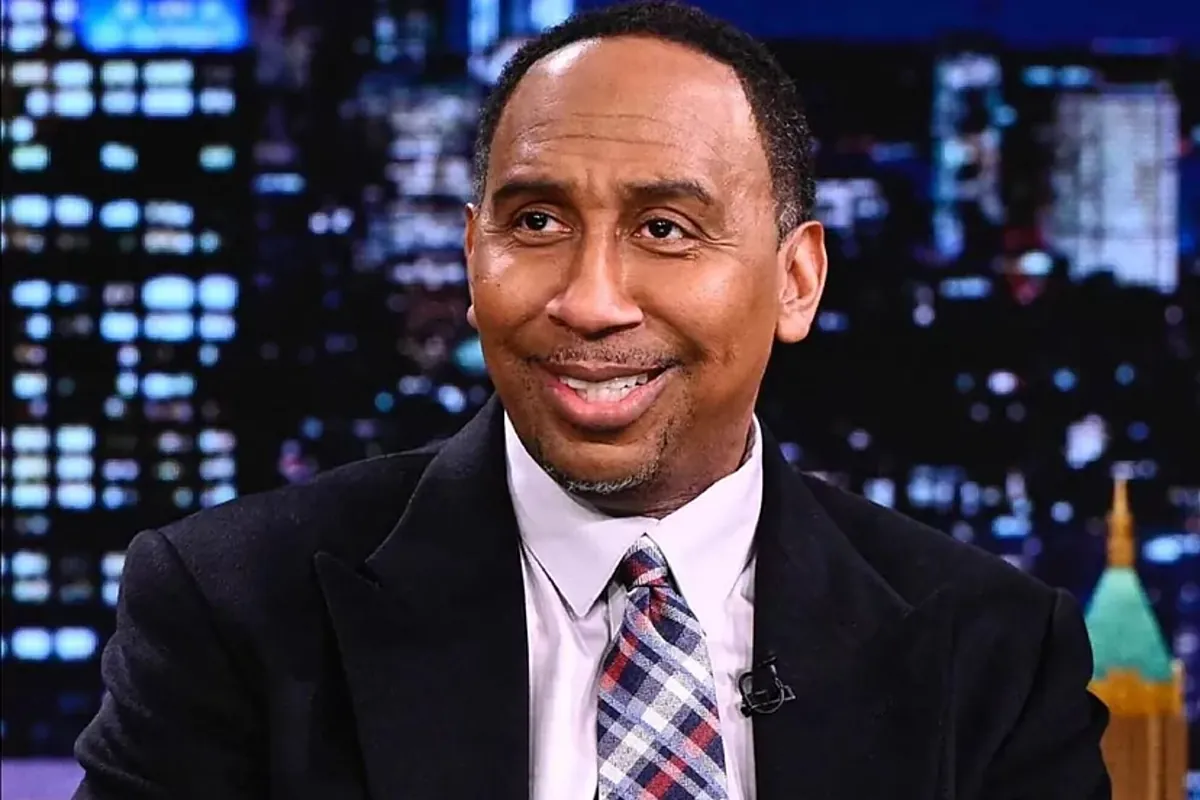
On Monday, ESPN commentator Stephen A. Smith publicly urged President Donald Trump to ensure that Immigration and Customs Enforcement (ICE) agents are not present at the championship game – part of a broader national conversation about immigration, politics and public safety.
Smith’s comments come amid reports that there have been discussions within federal agencies about potential enforcement actions during major public events – including the Super Bowl – as part of what the White House has described as an expanded immigration enforcement initiative.
Although NFL leadership has stated there are no plans for ICE to conduct immigration operations at the game, Smith insisted action from the highest levels of government is still needed to reassure fans and attendees.
“ICE, with all the stuff that’s been going on, there are still threats by the Trump Administration that they will be at the Super Bowl. If that happens, it will be a disaster,” Smith said on his radio program.
“I sincerely hope the Trump Administration will pull back on that. You don’t need to be messing with the Super Bowl. Let people enjoy the Super Bowl. Let them watch the Super Bowl in peace. You don’t need to be having that threat dangling over that.”
Security, politics and the NFL
Smith’s appeal to Trump emphasizes that this year’s Super Bowl has become a flashpoint in political debates over immigration policy and federal enforcement, going beyond the usual buildup of sport and spectacle.
The Super Bowl historically draws millions of viewers and generates major economic impact for its host region, this year’s being Levi’s Stadium in Santa Clara, California.
Despite Smith’s concerns, NFL Commissioner Roger Goodell and security officials have said that the league’s approach to law enforcement at Super Bowl 60 will be consistent with past games and involves well-established collaborations between local, state and federal agencies.
In press briefings, league officials clarified that there are no planned ICE enforcement activities at this year’s event.
Even so, the issue has sparked broader debate among fans, civic groups and public figure commentators.
Advocacy organizations have organized petitions and rallies urging authorities to make it clear that fans can attend and enjoy the game without fear of immigration enforcement actions.
Some critics argue that the presence of ICE, or even the threat of it, could overshadow the celebratory nature of the Super Bowl, turning what is often billed as “America’s biggest party” into yet another political battleground, especially in a state where the Latino community has a strong presence.
On the political front, President Trump has said he will not attend this year’s game, citing logistical reasons.
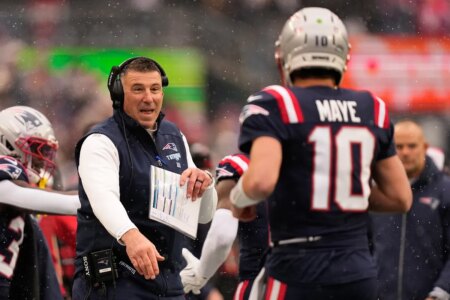
However, he has publicly expressed support for the Patriots and praised their quarterback, Drake Maye, reflecting his ongoing engagement with high-profile sporting events and teams.
The Game Itself: Spotlight on Patriots vs. Seahawks
While the debate over ICE’s role off the field has drawn headlines, the focus for NFL fans remains on the matchup between the Patriots and Seahawks.
Both franchises enter the Super Bowl with strong seasons.
New England’s emerging quarterback Maye has been a catalyst for their offense, and Seattle’s defense, widely considered one of the best in the NFL, should represent Maye‘s toughest test to date in the playoffs, which says a lot considering the Patriots defeated the Denver Broncos‘ stout secondary in the AFC Championship Game.
As if the contrasting styles wasn’t enough reason to watch this game, both the Seahawks and Patriots finished the regular season with a 14-3 record, setting up what many analysts expect to be a competitive and strategic game.
The team that commits the fewest mistakes will end up lifting the Lombardi Trophy once it’s all said and done.
What’s in store ahead of the kickoff
Smith‘s comments illustrate how the Super Bowl, widely considered a cultural touchstone that attracts attention beyond just sports, has become a venue for wider national conversations about identity, policy and public events.
As millions prepare to watch Sunday’s game, stakeholders on all sides are weighing how political debate intersects with what many consider a unifying cultural experience.
For now, league officials maintain that spectator safety and enjoyment remain the priority, and that security plans will not deviate from standard protocols.
Whether Smith‘s call to the White House resonates more broadly may depend on how the discourse around immigration enforcement evolves in the days leading up to kickoff.
Read the full article here