




Retired A.J. Green took to The Players’ Tribune this week with a deeply personal reflection on his friendship with former NFL teammate Rondale Moore, and a forceful argument that the league’s approach to mental health needs more than empty slogans.
Green‘s words are resonating far beyond Cardinals and Bengals fan bases, touching a raw nerve in a sport still grappling with how to care for players in crisis.
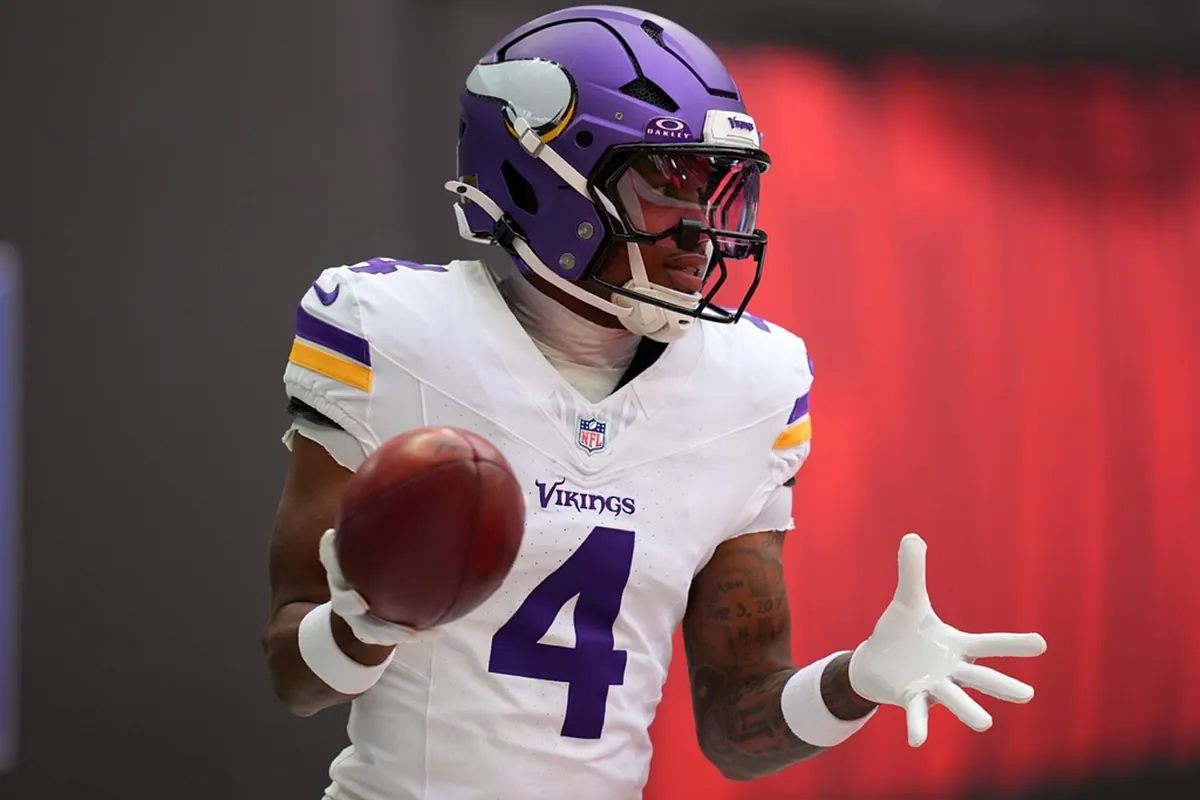
Moore, the electric wide receiver who burst onto the national scene at Purdue before being selected in the second round of the NFL Draft, died on February 21 at just 25 years old.
Police in his hometown of New Albany, Indiana, have said he was found at his home with a suspected self-inflicted gunshot wound, and authorities continue to investigate the circumstances surrounding his death.
Green and Moore were teammates with the Arizona Cardinals in 2021 and 2022, and Green described in intimate detail how their bond grew into something that felt familial.
“I’d always joke with him about how he’s ‘Rondale Green, my third and oldest kid.'” Green wrote.
“And looking back, that’s probably one of those jokes where it’s funny because it’s based in a feeling that’s true. Sometimes he really did feel like my son. I hope he knew I really did love him that way.”
Moore had kept in close contact with Green even after Green announced his retirement.
Green makes a plea for more awareness of mental health issues in the NFL
When Moore suffered repeated injuries, first missing an entire season and then reinjuring himself on the first play of his next preseason, Green noticed a change.
He described Moore going “to a lower, darker place,” despite still pursuing opportunities to coach and return to the field.
In his The Players Tribune piece, Green outlined what he believes could prevent future tragedies. He proposed mandatory mental health support for players dealing with major injuries.
“I know I’m just a former player. I’m no expert,” Green said.
“But to me, there’s a lot that could still be improved in the NFL, as far as how the league is helping its players with their mental health. And one way I would start is by making it mandatory, if you have a major injury, that you see an independent mental health counselor as part of your rehab.”
He continued, stressing the importance of professional support beyond the player’s personal network:
“Rondale had a support system. He wasn’t alone. He had friends who loved him, family who loved him. But those relationships can be complicated. What they can’t give you is professional help…tools so that, if you ever do have a mental health crisis, or even just a really bad day, you know how to handle it. In my opinion, if Rondale‘d had those tools, he might still be alive today.”
Green echoed criticism from other players, including Breiden Fehoko, regarding the NFL‘s culture around mental health.
“All the rules…all the initiatives…all the public statements about awareness…none of that means anything if the people who are making the football decisions, in private, are viewing mental health issues as a red flag,” Green said.
“No scout is ever gonna put it in a scouting report. But that’s how it’s viewed in this league by a lot of people. And as long as that’s the case? Stories like Rondale‘s will probably keep happening.”
Green‘s reflections highlight a critical conversation about mental health in professional sports.
His recommendations could influence NFL policy, team culture, and how injured athletes are supported off the field, potentially saving lives in the future.
Read the full article here