




The 2025-26 NFL season’s replay controversies were back in conversations this week after the league admitted a significant officiating error – though not the one Buffalo Bills fans were hoping might be overturned.
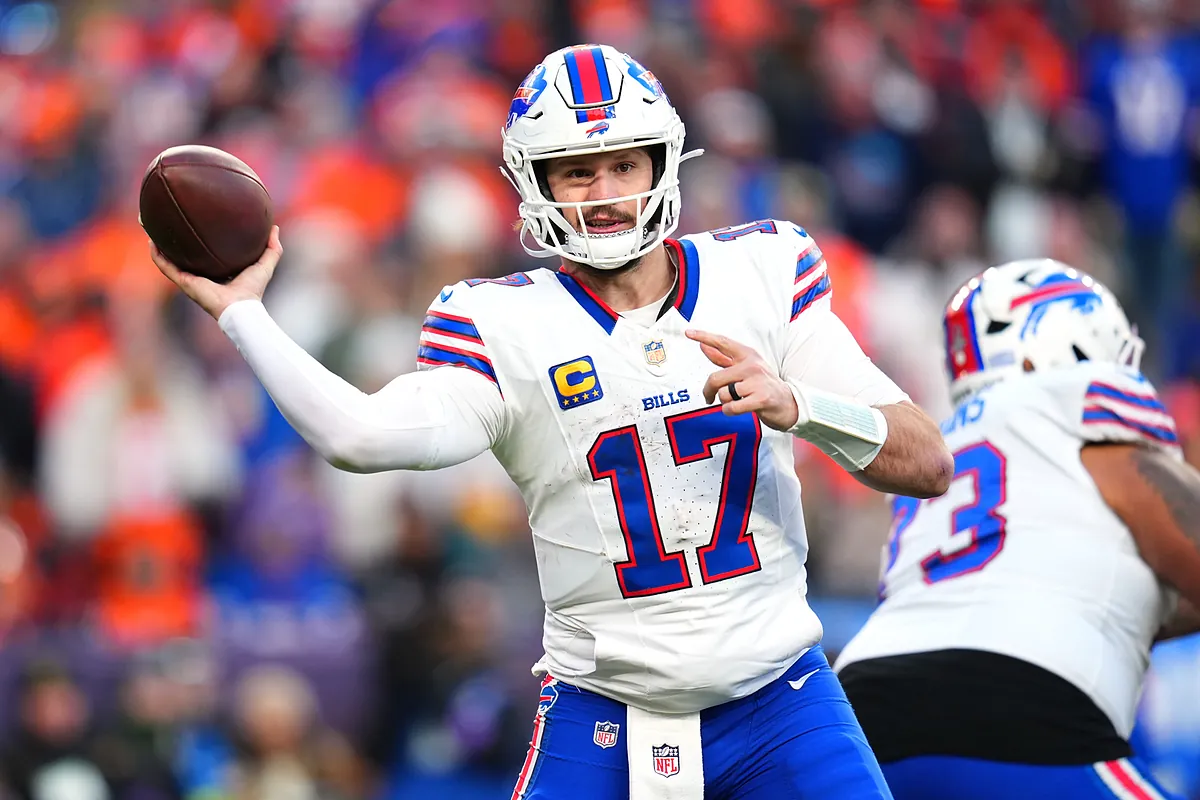
The Bills’ heartbreaking playoff exit, concluded by an overtime interception from quarterback Josh Allen in their divisional-round loss to the Denver Broncos, has become a talking point in debates about the NFL’s catch and interception rules.
In that pivotal game, Allen‘s pass to wide receiver Brandin Cooks appeared to many observers to be a completed catch before Broncos cornerback Ja’Quan McMillian wrestled the ball away. McMillian then took the ball to the ground and secured possession.
On the field, and after review, officials ruled it an interception – a decision that played a part in ending Buffalo’s season and left fans and analysts alike questioning the league’s interpretation of “possession on the ground.”
Bills supporters, including head coach Sean McDermott, were among the most vocal critics of the call, arguing that Cooks had clear control of the ball before it was forcibly removed.
Despite the backlash, the NFL has maintained that the ruling was correct, citing its strict standards for what constitutes a completed catch, especially when a player goes to the ground and loses control. The league’s position has done little to quell discussions about whether Allen was denied a fair opportunity in a high-stakes playoff moment.
League’s decision puts interception call in new context
This week, NFL Executive Vice President of Football Operations Troy Vincent addressed several controversial replay decisions from the 2025 regular season. Among them was a particularly debated Week 14 moment in a game between the Pittsburgh Steelers and Baltimore Ravens.
In that play, a deflected pass initially ruled an interception was overturned in favor of Steelers quarterback Aaron Rodgers. After further review, the NFL admitted the reversal was incorrect.
In the Ravens-Steelers play, Rodgers initially caught the ball, but linebacker Teddye Buchanan immediately stripped it away and secured possession. Officials initially ruled an interception, then reversed it, believing Rodgers had established possession before hitting the ground.
Vincent‘s review concluded that this reversal was a mistake – unlike the Bills’ overtime interception, which the league now asserts was properly ruled.
The NFL’s clarification shows the fine line between a completed catch and an interception under current rules, particularly when a defender seizes the ball before the receiver fully controls it on the ground.
While some Bills fans continue to highlight the Cooks play as an example of inconsistency, league officials have confirmed that Allen‘s pass was correctly ruled an interception, according to existing standards.
Although this acknowledgment of errors elsewhere in the league may feel bittersweet to Buffalo supporters, it underscores the complexity of officiating in today’s NFL, where video review often brings both clarity and controversy. For the Bills, the overtime interception remains an official part of NFL history.
Read the full article here