




The New York Jets face a defining moment in their rebuild as they approach the 2026 NFL Draft with the No. 2 overall pick.
What once appeared to be a straightforward decision has quickly turned into one of the most intriguing storylines of draft season.
For weeks, league insiders and analysts expected the Jets to select Arvell Reese, the standout linebacker from Ohio State.
Widely regarded as one of the top prospects in the class, Reese built his reputation on versatility and elite defensive instincts, playing a key role in the Buckeyes’ 2024 national championship run.
But now, that plan may be shifting.
According to NFL insiders Peter Schrager and Daniel Jeremiah, the New York Jets are seriously considering pivoting to David Bailey, an edge rusher out of Texas Tech.
The reasoning? Bailey is viewed as more “pro-ready, polished” and better equipped to contribute immediately at the NFL level.
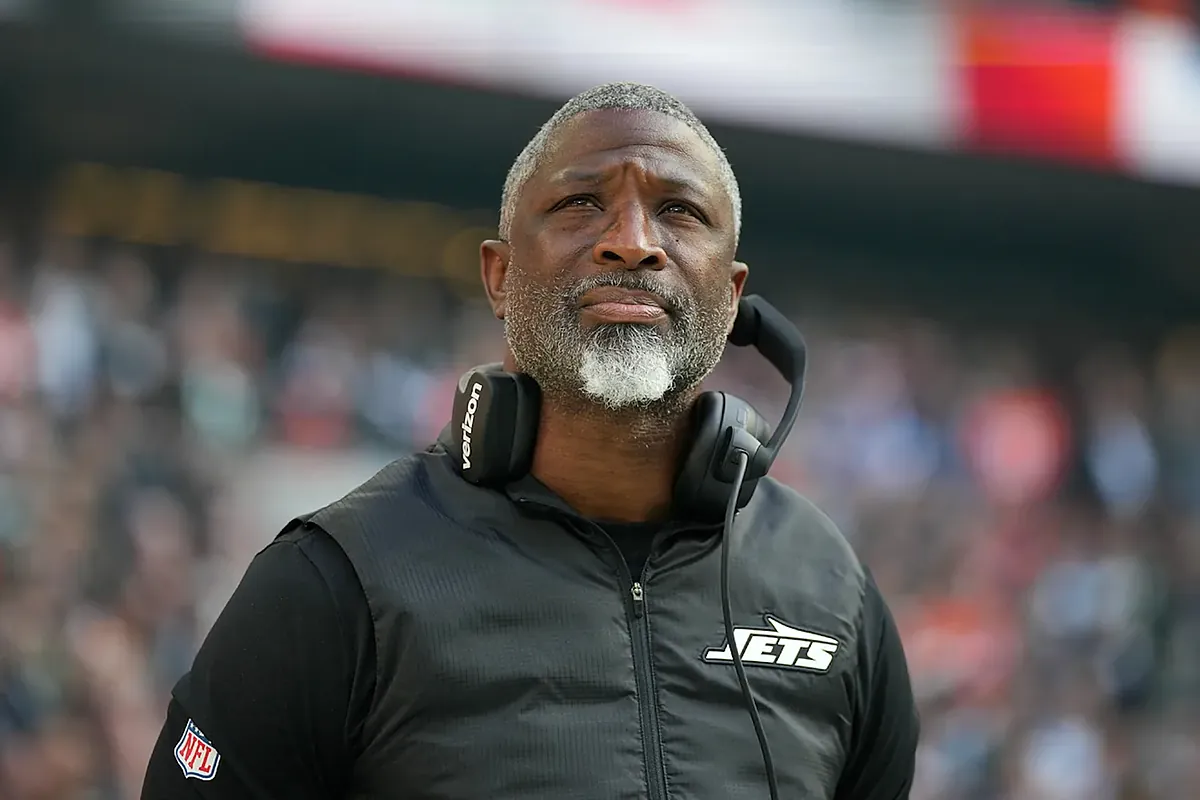
That distinction carries significant weight for a franchise coming off a disastrous 3-14 season, their first under head coach Aaron Glenn.
With expectations rising and patience wearing thin, the Jets are prioritizing impact over potential.
Balancing ceiling versus immediate impact
The debate between Arvell Reese and David Bailey reflects a classic draft dilemma: do you take the best overall talent or the player most ready to help right now?
Reese offers elite upside. His ability to play multiple roles in a defense, combined with his athleticism, makes him an attractive long-term building block.
Many evaluators still view him as the best defensive player available, and passing on him could be risky, especially with teams like the Arizona Cardinals, Tennessee Titans, and New York Giants waiting just behind the Jets and eager to add top-tier talent.
Bailey, however, fits a more immediate need. The Jets’ pass rush has lacked consistency, and Bailey’s refined technique and physical readiness suggest he could step in and produce from Day 1.
For a team trying to accelerate its rebuild, that immediate return could outweigh long-term projections.
The Jets’ offseason moves further highlight this urgency. They traded for quarterback Geno Smith from the Las Vegas Raiders, signaling a desire for stability under center.
They also added star safety Minkah Fitzpatrick and placed the franchise tag on running back Breece Hall, reinforcing a win-now mentality.
Additionally, the team reshaped parts of its roster through trades, including sending Justin Fields to the Kansas City Chiefs and acquiring defensive tackle T’Vondre Sweat. These moves suggest a front office focused on immediate improvement rather than a slow rebuild.
That context makes the potential selection of David Bailey more understandable.
While Arvell Reese might develop into a star, Bailey offers something the Jets desperately need right now: reliability and readiness.
Ultimately, the decision will define the early tenure of Aaron Glenn and general manager Darren Mougey.
Choosing Bailey would signal a commitment to fast-tracking competitiveness, while selecting Reese would reflect a longer-term vision centered on elite talent.
Either way, the New York Jets are at a crossroads. With the No. 2 pick in hand, they have a chance to reshape their future, but only if they get the decision right.
Read the full article here