




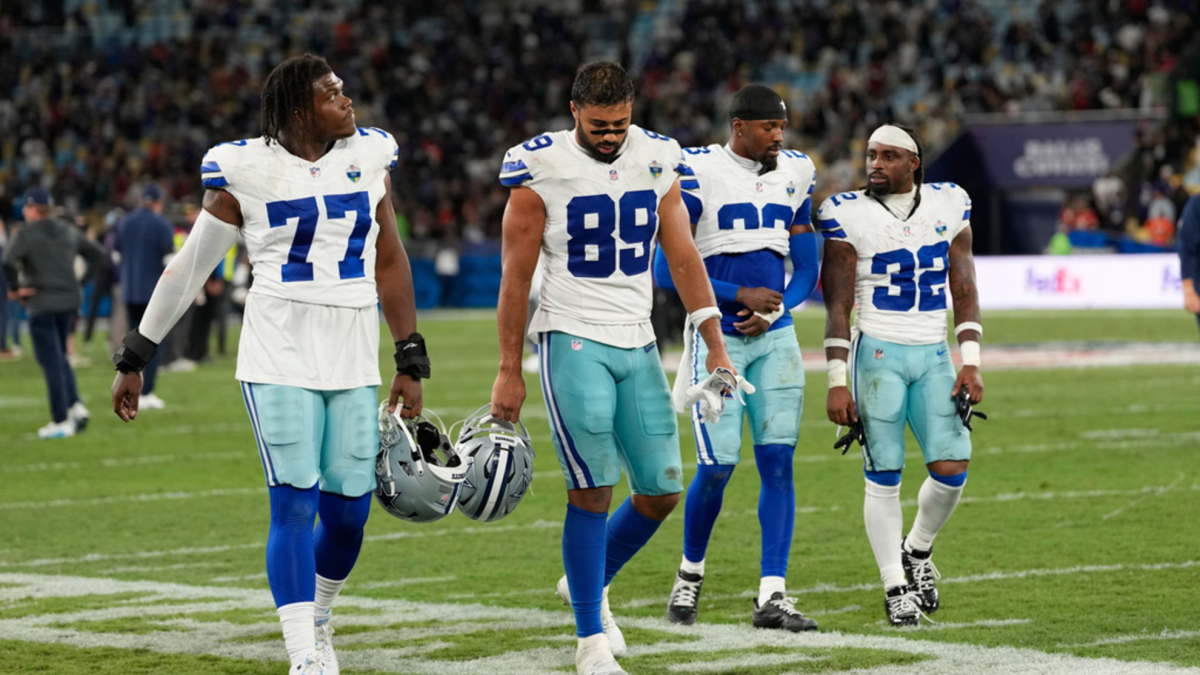
Mike Tomlin didn’t hold back when discussing the Dallas Cowboys’ dramatic 34-31 loss to the Baltimore Ravens in Brazil, taking particular aim at the team’s defensive strategy during the final seconds of regulation.
The former Pittsburgh Steelers head coach, now an NBC analyst, focused on Dallas’ decision to use man coverage with Baltimore needing only a modest gain to put itself in position for a game-winning field goal.
Tomlin described the sequence as “somewhat negligent” and said he was “really surprised” that the Cowboys opted for man-to-man coverage in that situation.
“I thought the sequence play by the Dallas Cowboys at the end of the game was somewhat negligent, to be quite honest with you,” said Tomlin.
Dallas had just tied the game at 31-31 on Brandon Aubrey’s 23-yard field goal, leaving seven seconds on the clock.
The Cowboys then elected to kick the ball through the end zone rather than forcing Baltimore to return it. The resulting touchback gave the Ravens possession at their own 35-yard line without any time coming off the clock.
The decision was intended to prevent a dangerous return while forcing Lamar Jackson to make a difficult throw with very little time remaining. However, Baltimore quickly found a way to exploit the Cowboys’ defensive setup.
Cowboys’ late decisions opened the door
Tomlin explained that Dallas should’ve considered an “umbrella zone” in the situation, with defenders positioned deep enough to prevent an immediate completion from producing the yardage required for a long field-goal attempt.
Instead, Jackson found Zay Flowers for a 27-yard completion. Flowers was tackled at the Dallas 38-yard line, but the play left Baltimore with enough time to attempt a field goal.
Jackson called the Ravens’ final timeout with one second remaining, allowing kicker Tyler Loop to come onto the field.
Loop calmly converted a 56-yard attempt as time expired, handing Baltimore the victory and leaving Dallas with a 1-2 record.
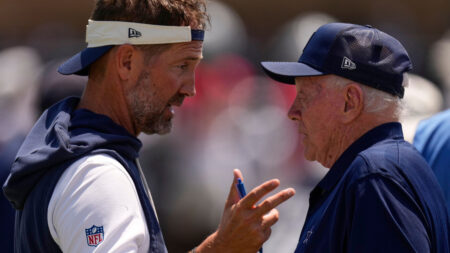
Cowboys head coach Brian Schottenheimer defended the thinking behind the kickoff decision, explaining that Dallas wanted to force Baltimore to start at the 35 and then make a short completion rather than risk a return that could’ve changed the game immediately.
“We felt like, let’s boom it through, put them out there, make them throw the ball short and we’ll be fine,” Schottenheimer said. “Play for overtime. That’s what the plan was.”
The defensive call, however, left Dallas vulnerable to exactly the type of big play it was trying to prevent. Flowers won his matchup, and Jackson delivered the ball accurately enough to put Baltimore in scoring range.
The Cowboys also had opportunities to avoid the frantic finish altogether. After falling behind 24-13 in the third quarter, Dak Prescott led a strong comeback that brought Dallas level. Later, the Cowboys reached Baltimore’s 2-yard line with 23 seconds remaining but failed to score a touchdown.
Dallas settled for Aubrey’s field goal, leaving the Ravens just enough time to respond. A combination of the kickoff decision, defensive coverage and earlier clock-management choices ultimately proved costly.
Read the full article here