





The atmosphere in Miami felt routine at first. Then everything changed quickly.
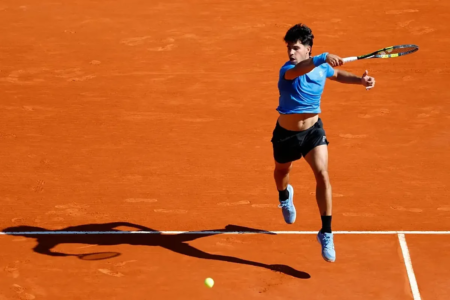
Carlos Alcaraz was knocked out in the Round of 32 at the Miami Open, losing to Sebastian Korda in a result that few saw coming.
Alcaraz had arrived with momentum and expectations.
After a confident opening win, many analysts viewed him as a serious title contender. Instead, he struggled to impose himself from the start against Korda, who stayed composed and took advantage of every opening.
The numbers only confirm what the eye could see. 2 aces, limited control on serve, and just 2 of 5 break points converted.
Still, the most striking moment came away from the rallies. During a tense stretch, Alcaraz looked toward his team and admitted, “I’m done. I can’t do this anymore.”
It was unusual, and it immediately raised questions.
Nadal steps in as pressure builds
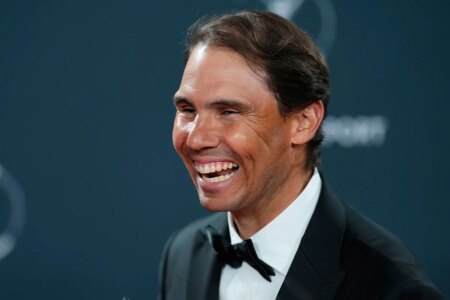
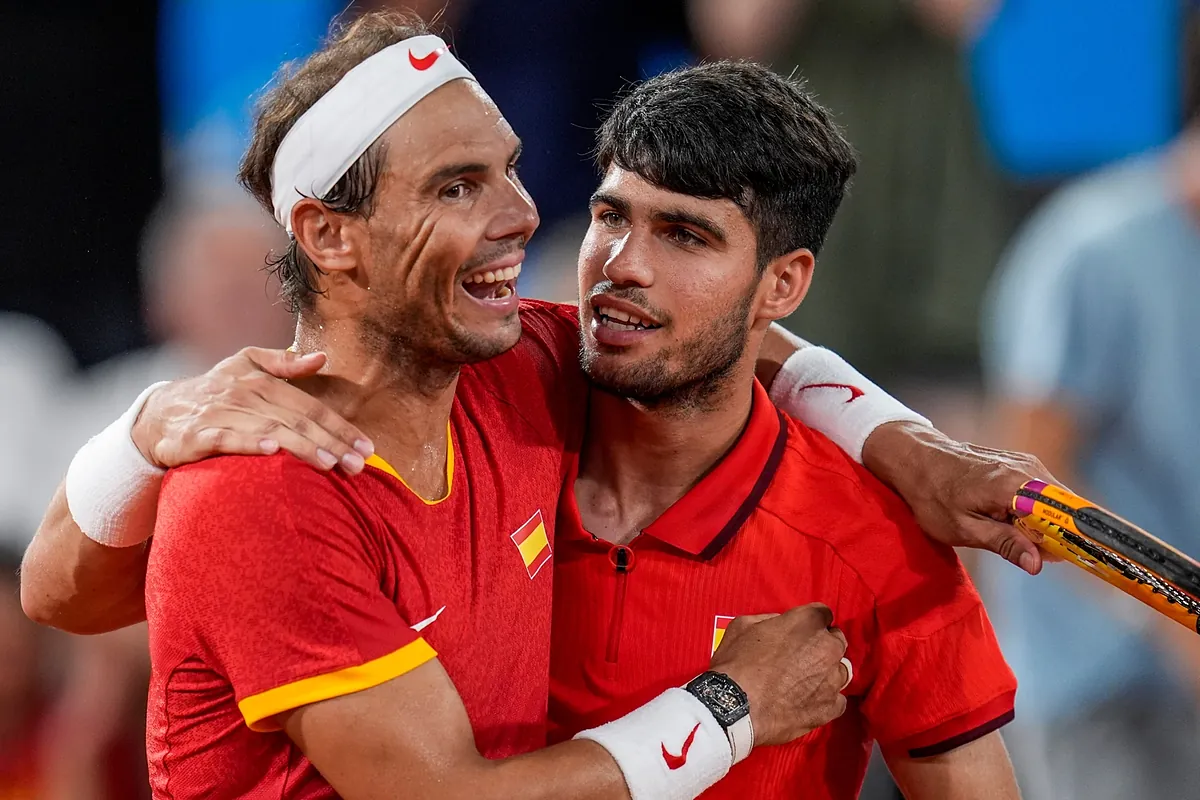
As the reaction spread, Rafael Nadal offered a more grounded perspective. Speaking to reporters, he defended his compatriot and pushed back against the growing noise.
“He is No. 1 in the world… Is he going to win every match of the year? No.”
It was not just a defense. It was a reminder. Even the most dominant players go through matches where things simply do not click. Nadal’s tone reflected experience, the kind that comes from navigating both peaks and setbacks over a long career.
That perspective lines up with ongoing conversations around the ATP Tour, where players and analysts have been increasingly vocal about the physical and mental toll of the calendar.
The bigger picture behind the result
This loss does not exist in isolation. It comes after a demanding stretch of tournaments, including the South American swing, which Alcaraz himself described as physically intense and mentally draining.
He has also been one of the most outspoken defenders of that part of the tour, calling it a unique and valuable experience despite its difficulty. That balance between appreciation and exhaustion is becoming more common among top players.
The reality is simple. The modern schedule leaves very little room to recover, and that can show up even at the highest level.
Eyes now on the clay season
For Alcaraz, the focus shifts quickly. The clay season offers a different rhythm and a surface where he has already proven his strength. It could be the reset point he needs.
Korda, on the other side, takes a significant step forward. Wins like this carry weight, especially against top-ranked opponents, and they add to the sense that the field is deeper and more unpredictable than ever.
For now, Miami leaves a clear takeaway. One match can change the conversation, but it does not define the player. How Alcaraz responds over the next few weeks will shape what this moment ultimately means.
Sources: Match data and statistics are based on official ATP Tour records. Player quotes come from post-match media interactions during the Miami Open. Additional context reflects recent discussions among players and analysts regarding scheduling and workload on tour.
Read the full article here