





In a stunning shakeup of Major League Baseball free agency, the Los Angeles Dodgers have agreed to a four-year, $240 million contract with star outfielder Kyle Tucker, a move that has reverberated far beyond the diamond.
The deal not only makes Tucker one of the highest-paid players in baseball history, but also reignites an ongoing debate about the economic structure of MLB, particularly its lack of a salary cap.
Tucker‘s contract, which includes opt-outs after the second and third seasons and a substantial signing bonus, carries an average annual value that eclipses virtually every other salary in the sport once deferrals are factored in.
While the nominal payout, roughly $60 million per season, is second only to teammate Shohei Ohtani’s $70 million figure, its presentday balance pushes Tucker to the top of the competitive balance tax value ladder.
The Dodgers’ financial commitment demonstrates their willingness to spend aggressively in pursuit of a World Series, regardless of luxury tax penalties.
This approach is part of a broader strategy by the Dodgers to assemble a roster overflowing with elite talent. Their aggressive spending has pushed payroll projections for the 2026 season to over $385 million, far above MLB’s competitive balance tax thresholds.
While such financial freedom allows the team to chase championships, it also raises concerns about competitive fairness, particularly for smaller-market franchises that cannot match these levels of spending.
Parsons comments spark debate
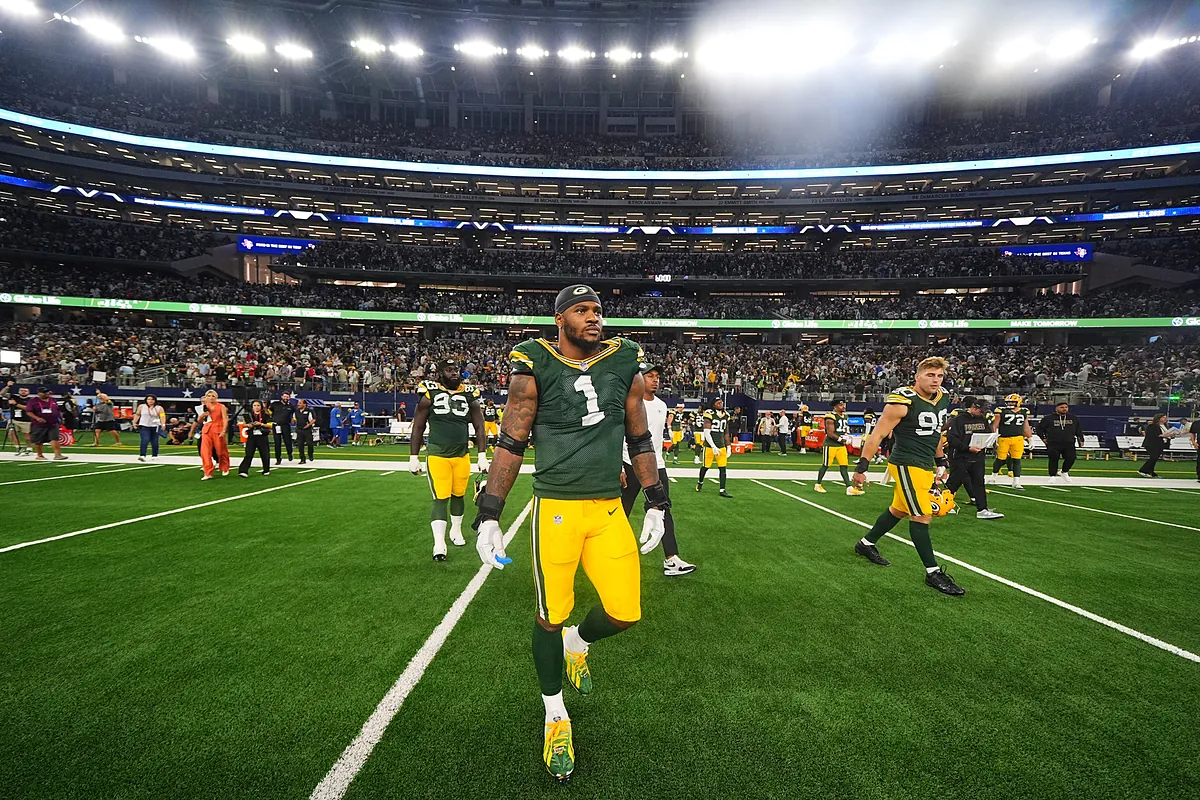
Amid the reaction to the blockbuster signing, Green Bay Packers star Micah Parsons stirred the pot with comments highlighting MLB’s spending freedom compared to the NFL’s financial system.
Parsons noted that unrestricted salaries in baseball create an uneven playing field and suggested that the NFL’s hard salary cap creates more balanced competition across teams. His remarks quickly went viral, with fans and analysts debating the relative merits of both leagues’ economic structures.
Parsons‘ comment coincides with rising calls from fans, analysts, and some team owners for Major League Baseball to implement a hard salary cap. Critics argue that the current model allows teams with deep pockets like the Dodgers to dominate the market for star talent, leaving smaller-market teams at a disadvantage.
Meanwhile, supporters of the current system point to the unique dynamics of MLB, where revenue streams, regional markets, and long-term player contracts make a one-size-fits-all cap difficult to enforce.
Tucker‘s record-setting contract also underscores potential labor tensions, as the MLB Players Association and owners prepare for the next Collective Bargaining Agreement.
While the union opposes a hard salary cap, owners argue that unchecked spending could widen gaps between the richest and poorest teams, threatening competitive balance.
Despite the controversy, the Dodgers appear undeterred in their pursuit of championships, banking on elite talent like Tucker to maintain their dominance.
Whether this approach enhances the excitement of the sport or highlights systemic inequalities, the debate over payroll limits and competitive fairness is far from over.
Read the full article here