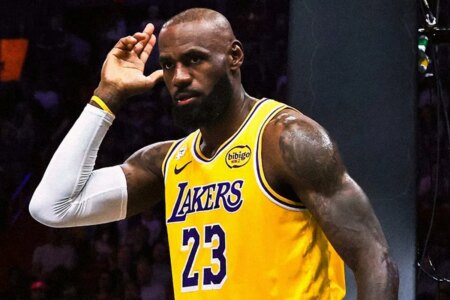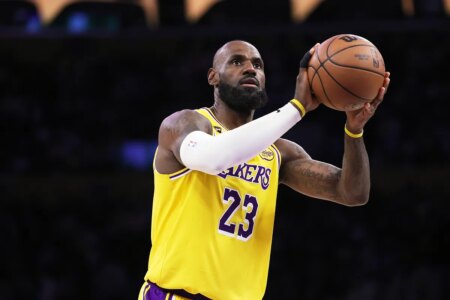
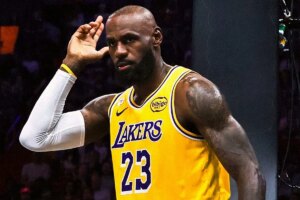




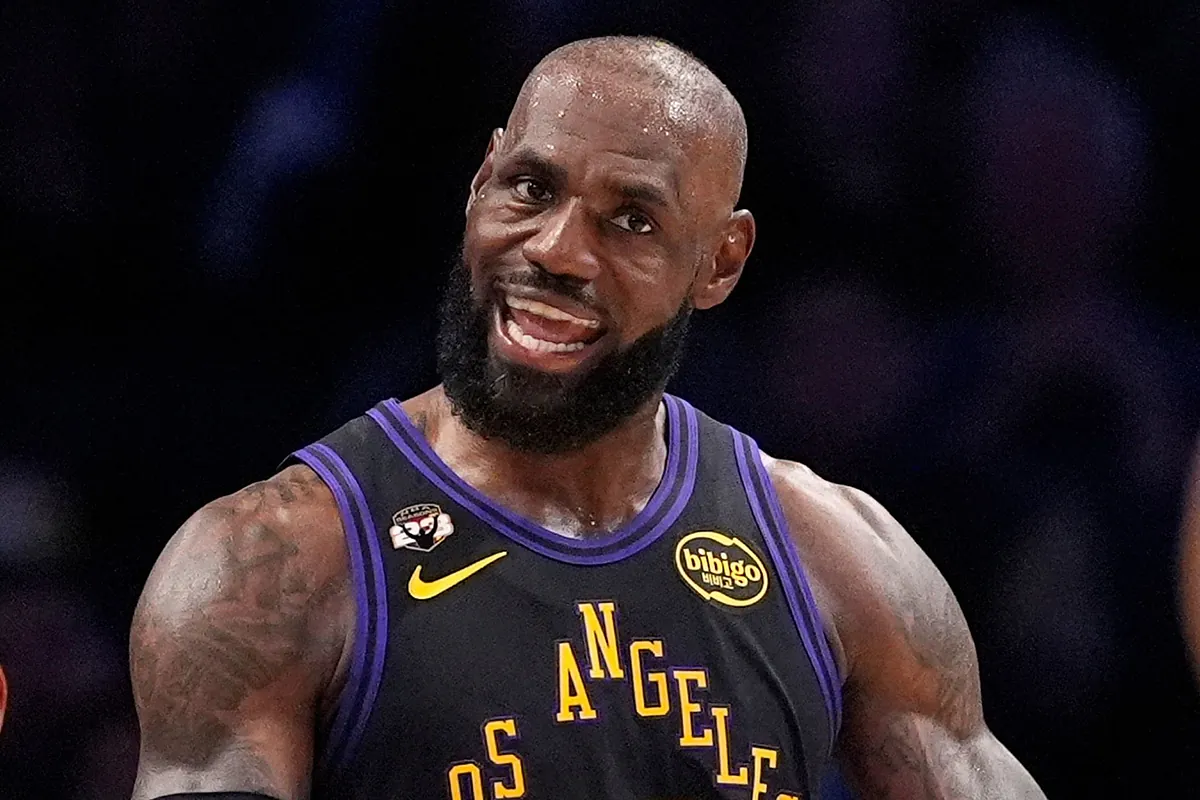
LeBron James is back at the center of the conversation after a viral video in which he hinted that his role with the Los Angeles Lakers is not what he considers ideal. The idea was clear: he can still lead as a first option without having to do so from the bench.
It didn’t take long for the context to give him a perfect opportunity to prove it. With key absences in the team, LeBron took full control of the offense and delivered a dominant performance in numbers, reminiscent of his best version.
Everything was under control, until the results spoke
Without Luka Doncic or Austin Reaves on the court, the stage was set to validate his message. LeBron responded with a complete stat line: points, rebounds and assists that reflect that he is still capable of producing at the highest level.
The problem was elsewhere. Despite that performance, the Lakers failed to win against a Dallas Mavericks team that was an accessible opponent. The result completely changed the reading of the moment.
The fact that changes the whole narrative
Throughout the season, part of the conversation was that the offensive system did not favor LeBron. However, this game showed the other side: even with total freedom, the team could not find a way to sustain the result.

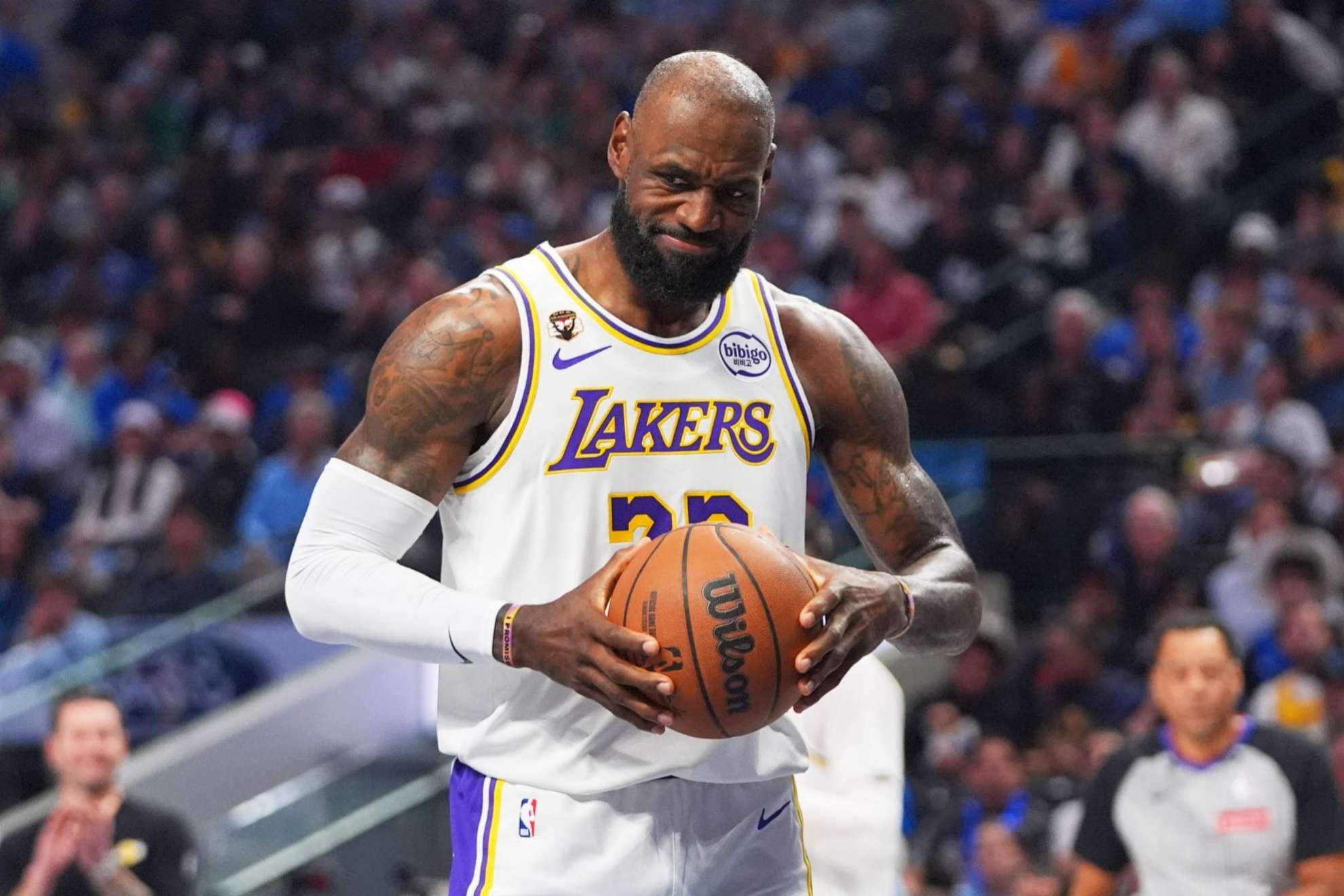
LeBron made it clear that he can still fill the stat sheet, but he also evidenced a structural limitation. Relying on him as the absolute linchpin no longer guarantees consistent victories, especially in a league that demands rhythm and consistency night after night.
The Lakers’ approach with more offensive creators makes sense from this perspective. It’s not about reducing LeBron, but rather spreading the load to keep the team competitive in the long run.
In addition, his absence against the Oklahoma City Thunder reinforces the idea that physical management is key at this stage of his career. The team needs balance, not just individual outbursts.
The video sparked the debate, but the game brought it down to earth. LeBron can still be dominant at times, but the result made it clear that the problem was not just his role, but what the team needs to win sustainably.
Read the full article here