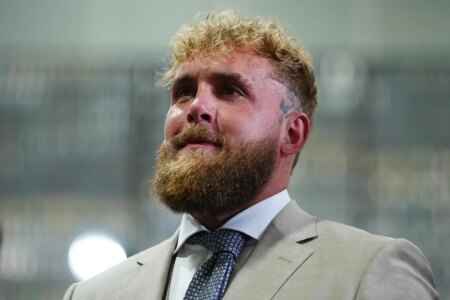





Jake Paul’s brutal sixth-round knockout loss to Anthony Joshua last weekend has already ignited major debate, but one of the most striking reactions came not from another fighter or promoter – it came from Joe Rogan.
Rather than dissecting the specifics of the fight, Rogan turned the conversation toward something deeper like the long-term cost of taking repeated punishment inside a ring and the toll it can take on a fighter’s mind and body.
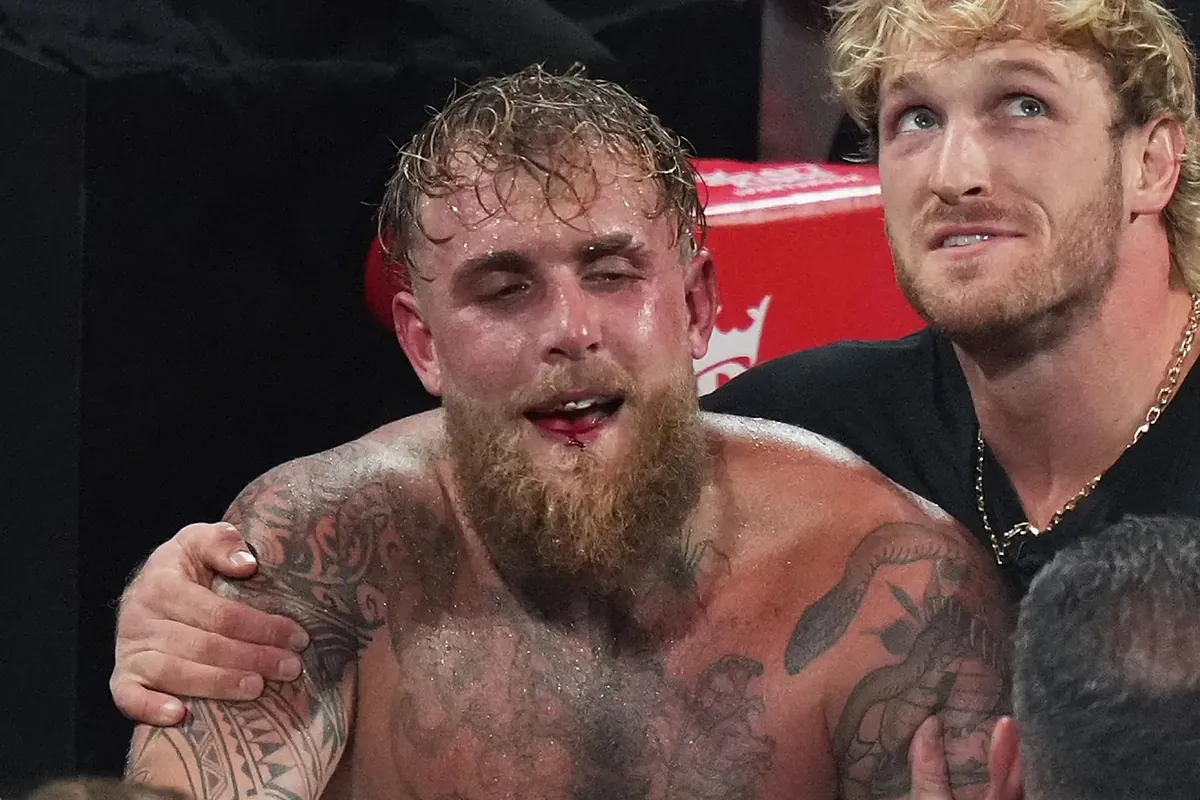
Paul showed resilience by lasting six rounds against a seasoned former world heavyweight champion before a powerful right hand from Joshua left him with a visibly broken jaw and his second professional loss.
Footage and post-fight reports confirm Paul suffered double fractures to his jaw, requiring surgery with multiple titanium plates and even a few teeth removed. Despite the damage, Paul has remained upbeat on social media and intends to use his recovery time to plan a return, potentially in 2026, and pursue a cruiserweight title.
This demonstrates his determination, but also raises concerns about the physical and mental risks of continuing a boxing career after such a violent loss.
Joshua, on the other hand, came into the fight as a former two-time heavyweight champion with years of professional experience and thousands of rounds under his belt. The contrast between the two fighters’ careers highlighted how a single blow can carry more significance than just the immediate outcome.
For Paul, that right hand wasn’t just a knockout, it was a wake-up call about the long-term consequences of combat sports.
Rogan’s caution
While the fight and Paul‘s bravery were acknowledged by Rogan, his commentary quickly shifted from praise to serious concern. On his podcast, Rogan urged Paul to not extend his boxing career longer than necessary, emphasizing that repeated head trauma and severe blows like the one he endured can have lasting psychological effects.
He described the sport as a “finite punch card”, as each hard hit brings you closer to paying a steep price that isn’t immediately visible.
Rogan drew from his experience in combat sports and the well-documented struggles of retired fighters. He warned that depression, addiction, and long-term brain imbalances are all common outcomes for those who ignore the warning signs. Rogan‘s message carried extra weight because Paul doesn’t have to continue fighting.
Already wealthy and famous, Paul could pivot into other ventures without risking the severe health consequences of professional boxing. Rogan stressed that walking away while still in control of his faculties and opportunities outside the ring might ultimately be the smartest decision.
Paul hasn’t publicly signaled retirement, and his camp insists he’s “focused on coming back” after healing. But Rogan‘s plea adds an alternative perspective to the celebrity boxing narrative that highlights fighter welfare over spectacle.
Read the full article here