




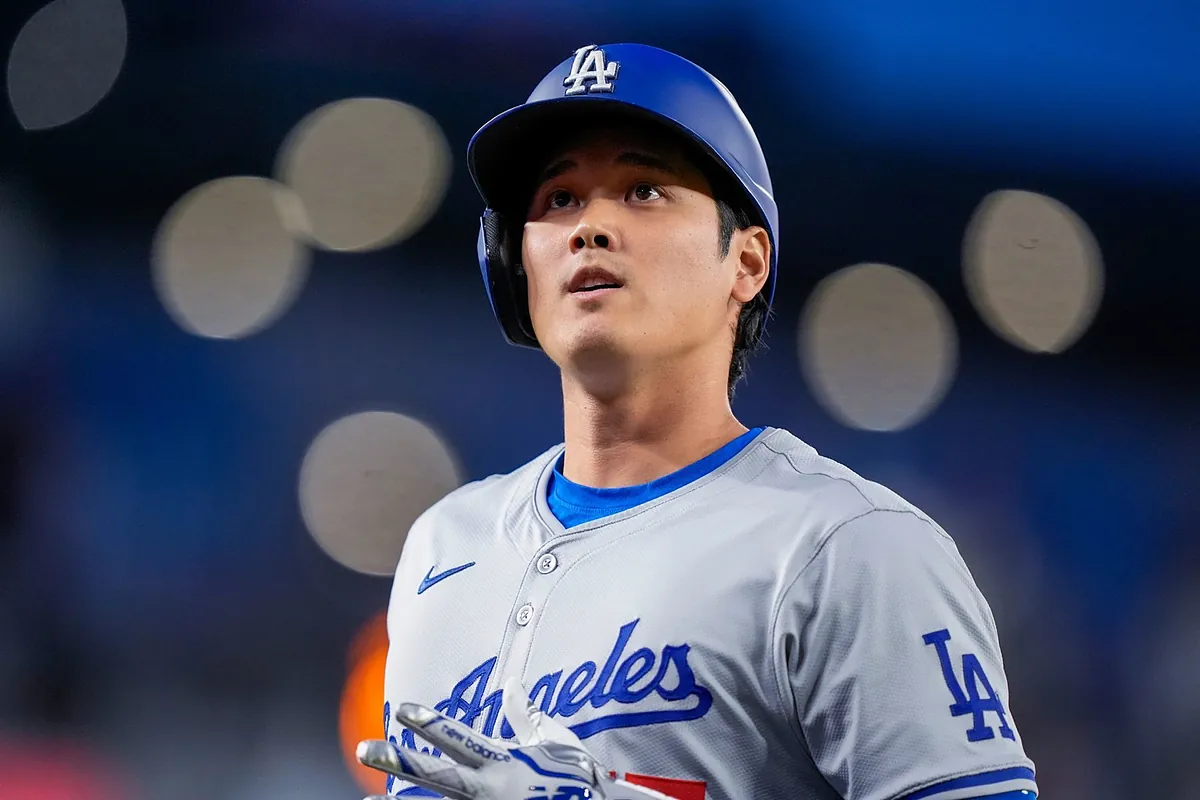
The Los Angeles Dodgers are drawing attention not just for their onfield success and back-to-back World Series titles, but also for their deep investment in talent for the upcoming 2026 season.
With a projected luxury tax payroll exceeding $401 million, the Dodgers sit well above every other franchise, and their willingness to spend has become the defining storyline of the league’s economic landscape this year.
For fans and analysts alike, payroll is a statement about competitive intent. And in Los Angeles, that statement is unmistakably bold.
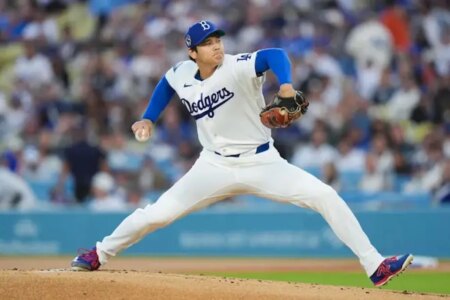
At the top of the Dodgers‘ earnings list sits Shohei Ohtani, the two-way sensation whose massive contract continues to draw headlines.
Ohtani is slated to make $70 million in salary for 2026, the highest figure on the team and in baseball, a testament to his rare blend of pitching and hitting excellence.
Close behind is newly acquired outfielder Kyle Tucker, who inked a four-year, $240 million deal with the Dodgers during the offseason.
That contract gives him a $60 million annual salary, making him the highest-paid position player on average in Major League Baseball this season.
High salaries aren’t limited to just the top two, either. Veteran pitchers like Blake Snell are earning $36.4 million, while superstar outfielder Mookie Betts takes in $30.4 million from his long-term extension.
Solid contracts for starters like Tyler Glasnow and established bats such as Freddie Freeman help round out a payroll that sends a clear message: the Dodgers aren’t holding back.
Behind those marquee figures are other key contributors, including Edwin Díaz at $18.5 million, Yoshinobu Yamamoto at $12 million, and veterans like Max Muncy, Will Smith, and Tommy Edman, each pulling significant earnings that reflect both performance and experience.
Those numbers add up: while MLB’s competitive balance tax threshold sits at $244 million, the Dodgers‘ projected tax payroll is roughly $402 million, meaning they will face one of the heaviest tax bills in the sport.
Behind the numbers
The scale of the Dodgers‘ payroll has prompted discussion across the league about competitive balance.
Ownership circles have reportedly raised concerns about the financial chasm between big market clubs and smaller teams, with some executives openly advocating for a salary cap when the Collective Bargaining Agreement is renegotiated later this year.
The Dodgers‘ spending dwarfs that of teams at the bottom of the financial ladder. By some estimates, Los Angeles‘ payroll tops the combined payrolls of several low-spending clubs.
Yet from the organization’s point of view, the aggressive investment aligns with sustained success on the field.
General Manager Brandon Gomes has repeatedly emphasized that maintaining a core of elite, experienced players is key to both short-term goals and long-term competitiveness.
“We’re not looking externally for the validation. The validation is winning championships and putting out as good of teams as we can each and every year,” he said recently.
As Opening Day approaches, all eyes in the sport will be on Los Angeles, not just to see if the Dodgers can secure three World Series championships in a row, but to watch how this payroll investment impacts the ongoing conversation about the future of baseball economics.
Read the full article here