




Cam Newton put one of the most provocative topics in athlete-to-broadcaster transitions at the center of a recent conversation on his Funky Friday show: Why do some retired quarterbacks secure massive television deals while others, especially Black stars, don’t land the same level of opportunity?
His remarks, sparked by a comment from former ESPN commentator Jemele Hill about representation, sparked discussion about race, media access and post-playing careers.
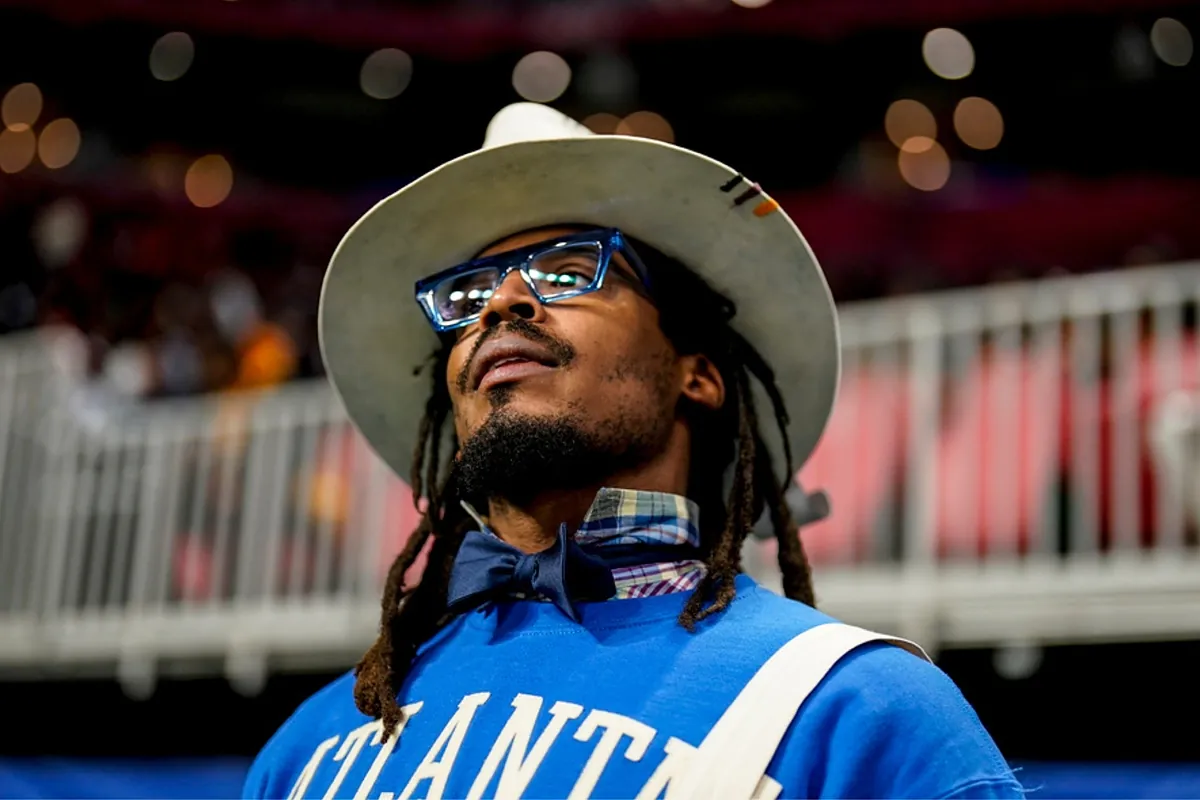
Newton, the 2015 NFL MVP and former Carolina Panthers star, has been building his presence in sports media since hanging up his cleats.
He now appears regularly on ESPN‘s First Take and hosts his own digital content platforms, adding to his footprint as one of the few prominent Black quarterbacks in mainstream sports television.
During the exchange, Hill noted that Newton might be “the only Black quarterback on television” in a major analyst role, directly confronting him with the underrepresentation of Black former QBs in high-profile media positions.
In response, Newton acknowledged the observation while pointing out the disparity in compensation between him and some of his former peers.
“I think you’re the only black quarterback on television,” Hill said.
“I’ll take that,” Newton replied. “but can we keep it funky? I don’t get no Brady deal. I don’t get no Romo deal. And that’s just facts.”
His comments refer to the unusually lucrative broadcasting contracts that other recently retired quarterbacks have secured.
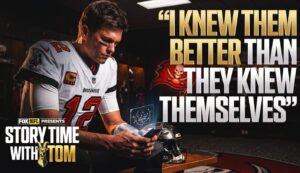
Tom Brady, for example, signed a reported 10-year, $375 million deal with FOX Sports, one of the richest ever offered to a sports broadcaster, while Tony Romo has been a top analyst for CBS since 2017 and has earned significant compensation for his work in the booth.
Newton was careful not to disparage Brady or Romo personally, emphasizing the broader implications of the landscape.
“Am I bitter? Hell nah,” he said, before acknowledging the preparation work needed for success in media.
“Because knowing what I know now, being a member of the media, I know that Brady has to work his ass off to get prepared for that show that he presents to the world. So does Romo.”
Examining representation and opportunity in sports broadcasting
Historically, marquee broadcasting roles have tended to go to Hall of Fame-caliber quarterbacks or those with dominant league narratives.
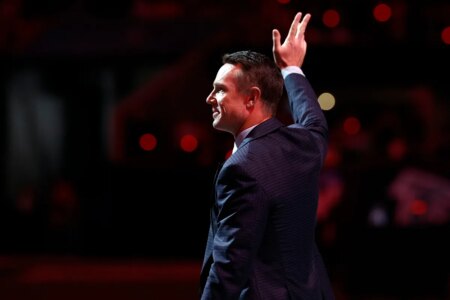
In recent decades, Peyton Manning and Drew Brees also made the jump to high-visibility analyst roles, while other white quarterbacks like Eli Manning, Matt Ryan, and Derek Carr have transitioned smoothly into television positions.
By contrast, opportunities for Black quarterbacks in television have been less abundant. Michael Vick and Donovan McNabb, for example, have held analyst roles in the past, but have not enjoyed the same sustained, top-tier deals as some of their white counterparts.
That discrepancy underscores structural challenges in an industry where on-air presence, network backing, and commercial interest intersect with cultural perceptions of who is “broadcast ready.”
Read the full article here