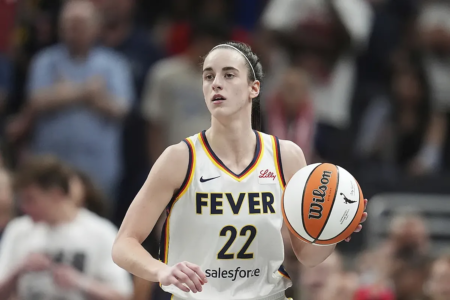






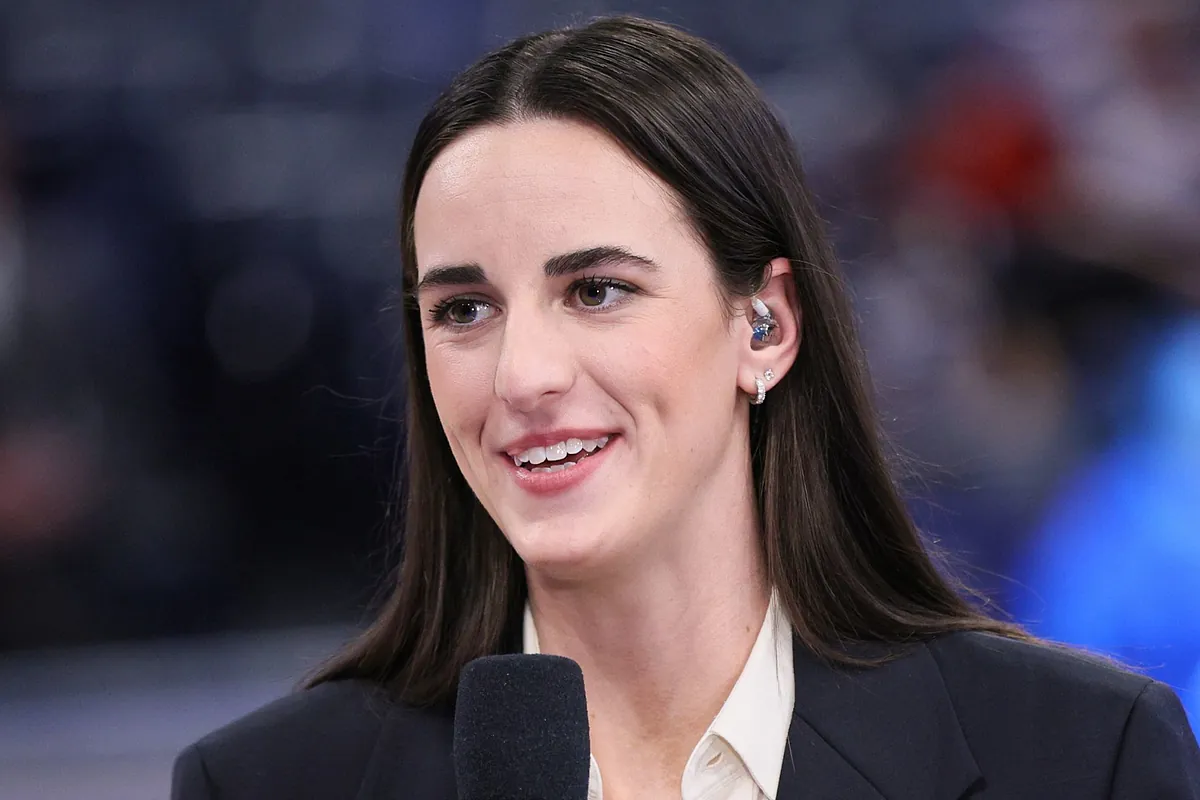
The Indiana Fever are no longer rebuilding in theory – they’re navigating the reality of expectations. After an active offseason that reportedly brought the roster close to full capacity, the conversation around the 2026 WNBA Draft has shifted. It’s no longer just about adding talent. It’s about making the right move.
That’s where the intrigue lies. Multiple mock drafts and roster breakdowns suggest Indiana has limited flexibility, with most core spots already accounted for. That puts pressure on the front office to identify a player who doesn’t just fit – but elevates what’s already in place around Caitlin Clark.
Not just best available – best fit matters now
Recent projections have linked Indiana to guards and wings like Raven Johnson, Ta’Niya Latson, and Gabriela Jaquez – each offering a different skill set. But the key takeaway isn’t who’s most talented on paper. It’s who complements Clark and the Fever’s evolving identity.
Johnson brings defensive presence and playmaking discipline. Latson offers scoring upside and shot creation. Jaquez provides versatility on the wing. None are identical fits, and that’s exactly the point – Indiana’s decision will signal what direction they want to lean into.
With limited roster spots, even a first-round pick isn’t guaranteed a major role. That makes this draft less about long-term development and more about immediate impact or clear specialization.
The Fever’s situation also reflects a broader shift: they’re transitioning from asset accumulation to roster optimization. That’s a different challenge entirely.
A single pick could clarify the Fever’s direction
This is where the connection to Clark comes in. Building around a high-usage guard means prioritizing spacing, defense, and secondary playmaking. The wrong fit could clog lineups. The right one could unlock a more balanced offense.

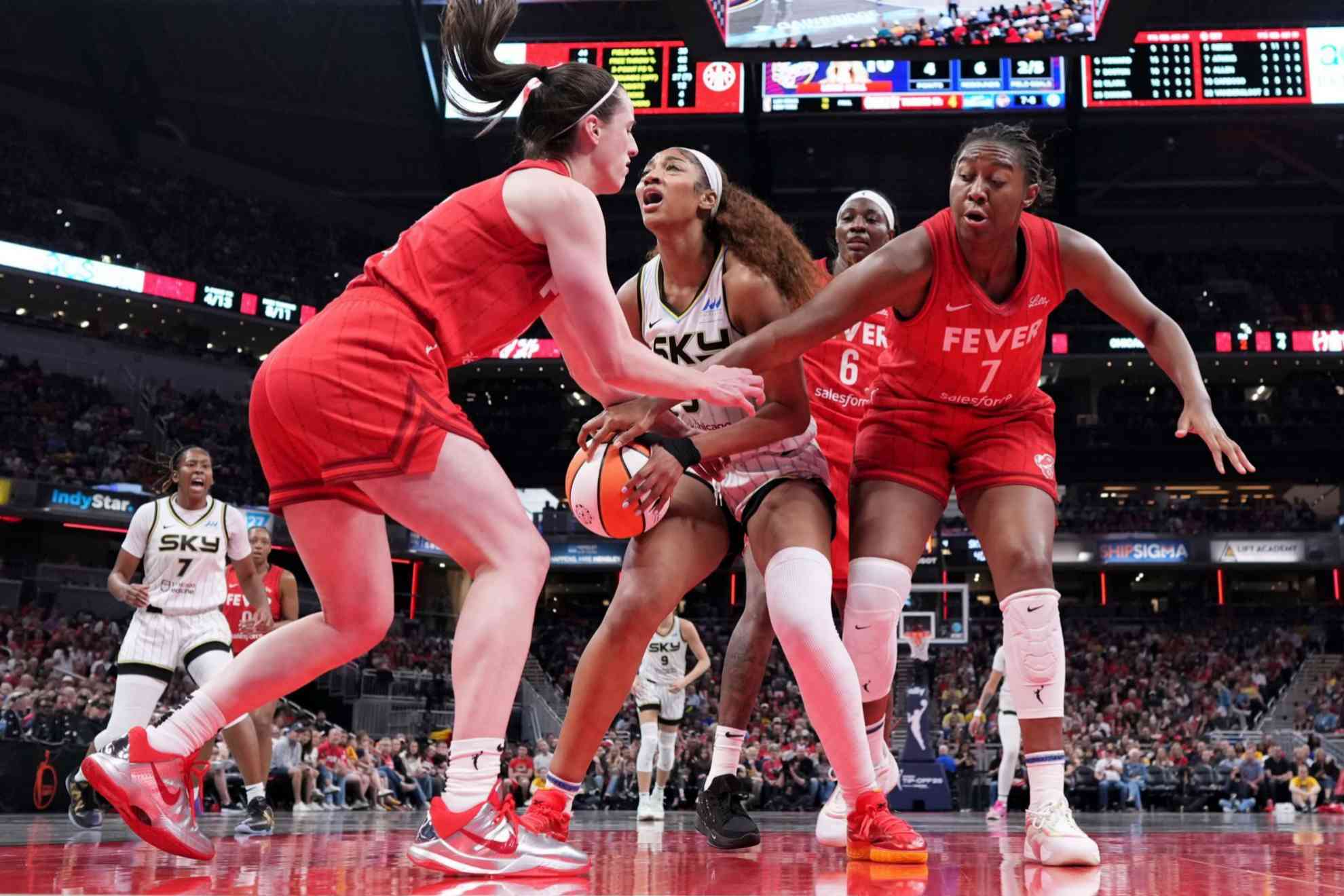
And because Indiana doesn’t have the luxury of multiple developmental spots, this pick carries more weight than a typical mid-first-round selection. It’s less about depth and more about defining roles.
There’s also a practical layer to consider. With free agency already shaping much of the roster, the draft becomes one of the few remaining tools to address specific needs affordably. That increases the importance of getting the evaluation right.
Read the full article here