




A quiet rule proposal has suddenly sparked loud speculation across the NFL. The Cleveland Browns want to expand draft pick trading from three years to five – and many believe it could signal a future move for a franchise quarterback.
The proposal will be reviewed at the upcoming NFL Annual League Meeting and would require approval from at least 24 of the league’s 32 owners. On paper, the Browns say the change is about flexibility – allowing teams to structure more creative deals and increase trade activity.
But around the league, the reaction has quickly shifted from policy to possibility.
If approved, the rule would allow teams to trade draft picks up to five years into the future, significantly increasing the value of long-term assets. For a team like Cleveland, that could mean assembling a massive package to move up for an elite quarterback prospect.
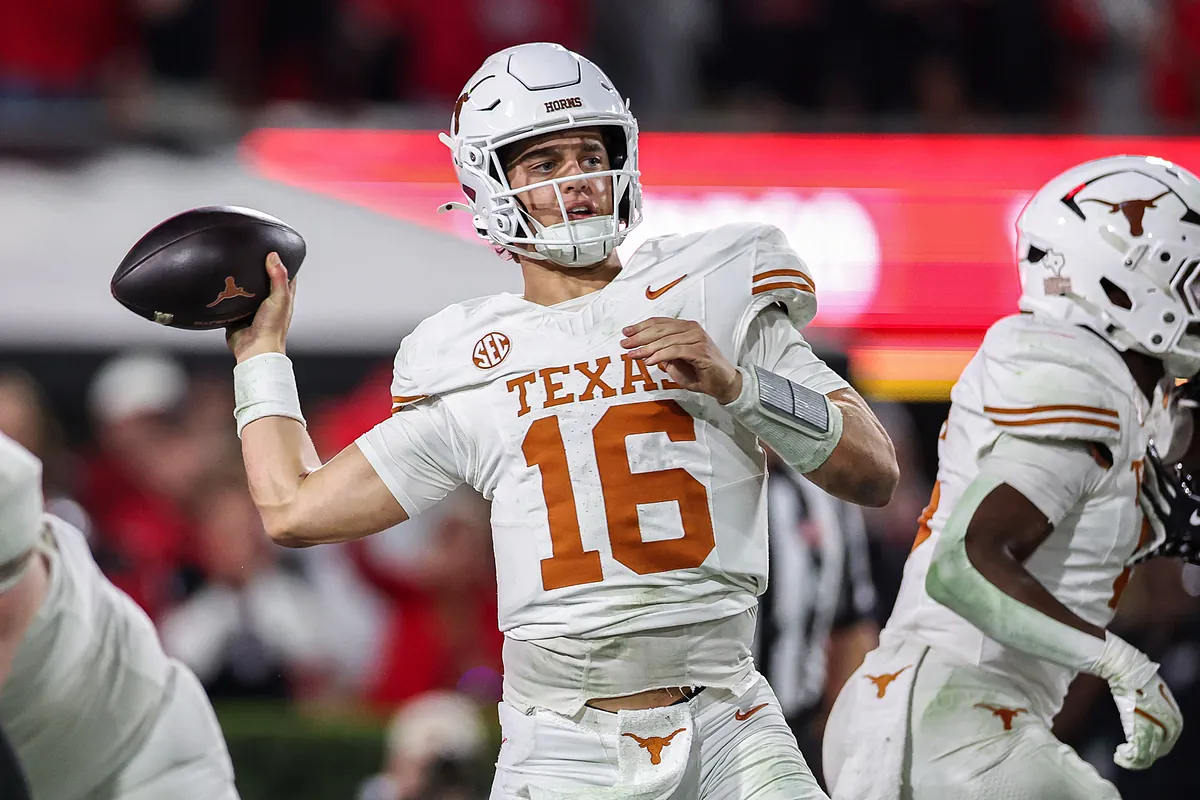
One name already circulating: Arch Manning, the highly touted Texas signal-caller widely projected as a future top overall pick.
Why is the Browns’ rule proposal raising quarterback speculation?
The connection may be speculative, but it is not hard to see why it exists.
The Browns have struggled to find stability at quarterback in recent years, and their most aggressive attempt – trading for Deshaun Watson in 2022 – remains a cautionary tale. That deal cost Cleveland three first-round picks and a fully guaranteed $230 million contract, later described by owner Jimmy Haslam as a “big swing and miss.”
Now, with the possibility of accessing more future draft capital, the team could theoretically position itself for another blockbuster move – this time with even greater flexibility.
Longtime Browns reporter Tony Grossi addressed the growing Manning speculation, noting that while the team denies targeting any specific player, the connection is difficult to ignore.
“I’ve been told the proposal has nothing to do with any Browns’ future acquisition in mind,” Grossi said. “But it’s impossible not to draw that conclusion.”
Publicly, Cleveland is framing the proposal as a league-wide benefit rather than a team-specific strategy.
The argument centers on giving front offices more tools to build rosters, particularly in an era where aggressive trades have become more common. Extending the draft window could allow for more balanced negotiations and long-term planning.
At the same time, the Browns are entering 2026 with uncertainty at quarterback.
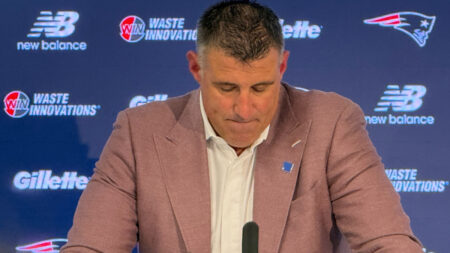
New head coach Todd Monken has made it clear that no starting role is guaranteed, describing the position as an open competition. The current roster includes Deshaun Watson, Dillon Gabriel, and Shedeur Sanders – none of whom has firmly established himself as the long-term answer.
If the rule passes, it could reshape how teams approach roster building – especially at quarterback.
Franchise passers are the most valuable assets in the NFL, and teams are often willing to sacrifice significant draft capital to acquire them. Expanding the trade window would only amplify that trend, potentially leading to even larger and more aggressive deals.
For Cleveland, that presents both opportunity and risk.
Read the full article here