





Bernabéu Stadium is about to trade goals for groundstrokes.
The Santiago Bernabéu Stadium in Madrid will be used as a training base for players competing in the Madrid Open from April 23 to 30, 2026.
It is a small detail on paper, but it changes the daily rhythm of the tournament.
Matches will still be played at the Caja Mágica from April 20 to May 3, yet players will prepare in one of football’s most recognizable venues.
That alone makes this edition feel slightly different from previous years.
A different kind of preparation
The shift is possible thanks to the stadium’s recent overhaul. After a renovation valued at roughly $1 billion, the home of Real Madrid introduced a retractable pitch system that allows the playing surface to be stored underground.
This means the stadium can quickly be repurposed without compromising its primary use. It is the kind of flexibility modern venues are starting to prioritize, especially as they look to host events year-round rather than sit idle between fixtures.
Timing also plays a role. Following their April 23 match against Deportivo Alavés, Real Madrid will spend several weeks on the road. That gap gives organizers just enough room to adapt the space without interfering with the club’s schedule.
What this means for players
For the athletes, the change is practical more than symbolic. Training closer to their accommodations reduces travel and helps maintain routine during a demanding stretch of the clay season.
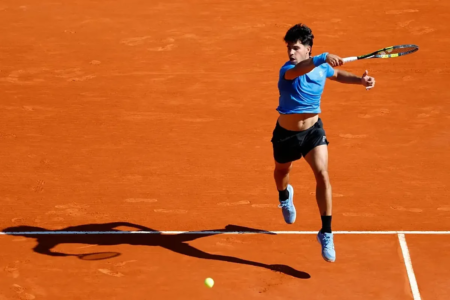
Still, there is a certain novelty to it. Carlos Alcaraz, a known Real Madrid supporter, is expected to be among those who enjoy the setting. Preparing inside the Bernabéu is not something players typically get to experience, even at this level.
Defending champions Casper Ruud and Aryna Sabalenka arrive with expectations, and small adjustments like this can matter. Analysts often point out that marginal gains in preparation and recovery can influence outcomes, especially on clay, where matches tend to be physically taxing.
More than a football stadium
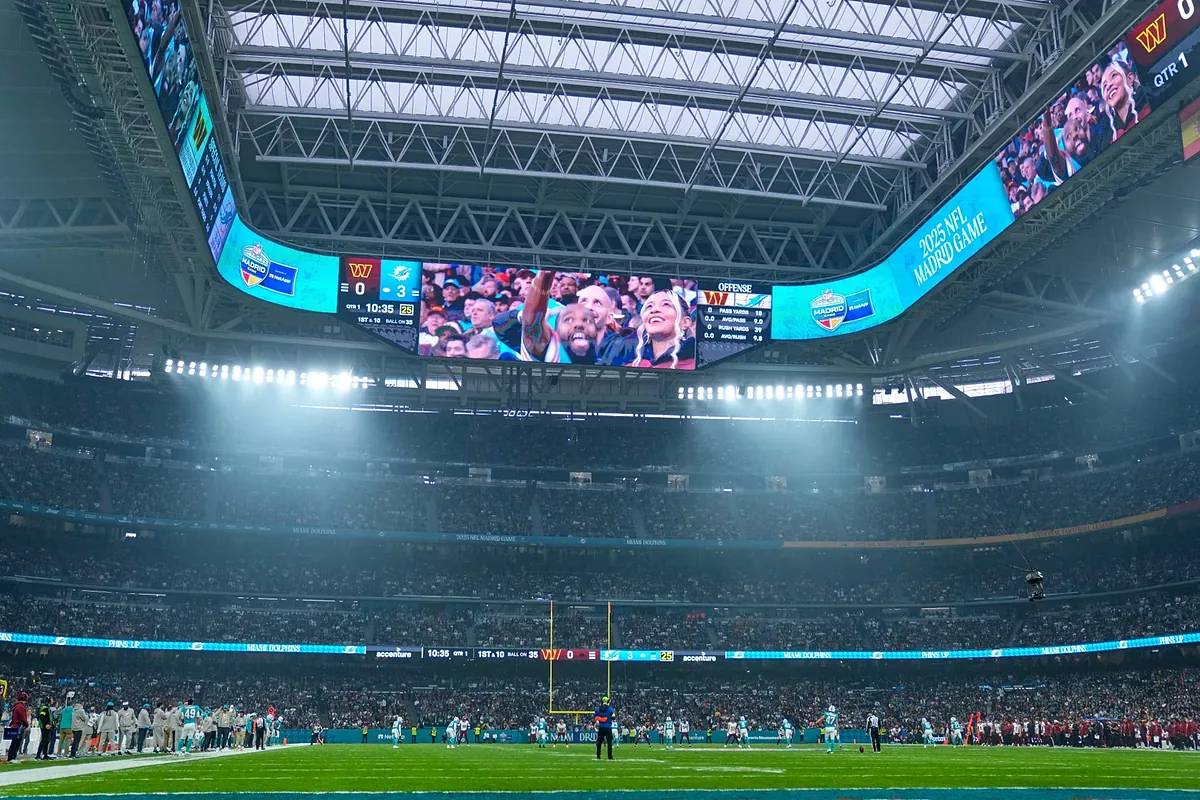
The Bernabéu has been moving in this direction for some time. In 2025, it hosted Spain’s first NFL regular-season game, drawing more than 78,000 fans. League officials later confirmed a multi-year agreement to continue staging games in Madrid, with one noting “a long-term commitment to growing the sport in Spain”.
Basketball is also part of the plan. The opening game of EuroBasket 2029 is scheduled to take place here, with expectations of a crowd approaching 80,000 spectators.
What once functioned purely as a football stadium is now evolving into a year-round sports venue. That shift reflects a broader trend across global sports infrastructure.
Looking ahead, this approach could influence how tournaments are organized. If using high-profile venues for training proves effective, it may become a more common feature in major events. For now, Madrid offers a glimpse of how tradition and innovation can share the same space.
Sources: This article is based on official information from Real Madrid C.F., Madrid Open scheduling details, and publicly available reports from Deloitte’s Sports Business Group, along with confirmed announcements regarding NFL and EuroBasket events at the Bernabéu.
Read the full article here