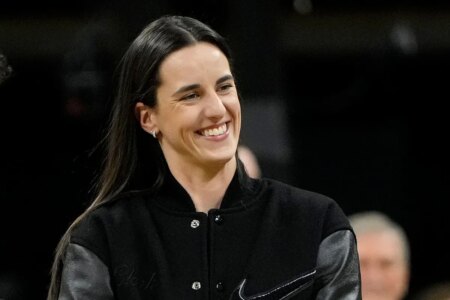






The WNBA may be facing one of its most turbulent offseasons in years, and at the center of the storm is the growing tension between league leadership and players, set against a backdrop of soaring interest thanks largely to Caitlin Clark of the Indiana Fever.
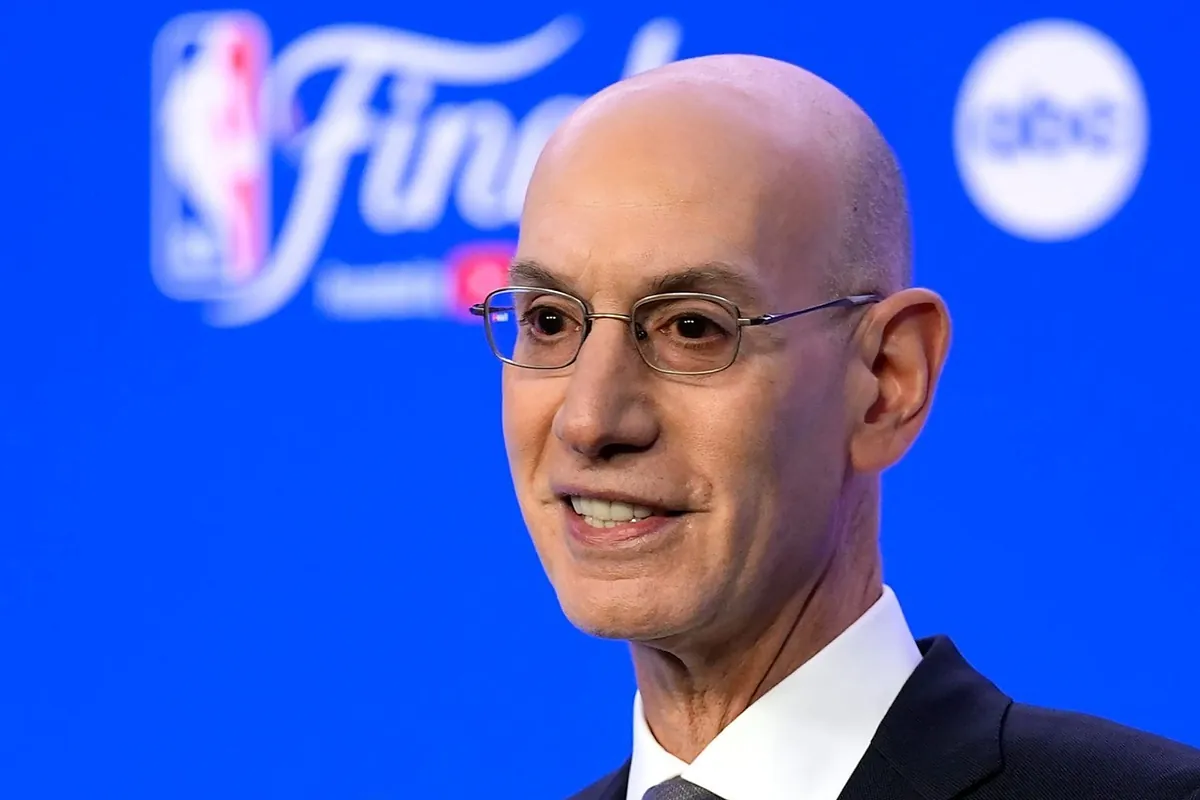
NBA Commissioner Adam Silver has inserted himself into the debate with a public message that summarizes both the opportunities and risks, as talks over a new collective bargaining agreement (CBA) stretch into late 2025.
Silver didn’t mince words when discussing Clark‘s impact on the league. “To see the popularity of Caitlin, to see the Fever exploding in popularity – not just here in Indianapolis, Indiana, but globally – it’s remarkable,” he said to FDSNI.
That statement carried more weight than a simple compliment. In many ways, it was a strategic acknowledgment that the WNBA‘s future and appeal is entangled with the success and visibility of its star names.
The Caitlin Clark effect
Clark‘s arrival in the WNBA coincided with surging ratings, soaring merchandise sales, and a renewed public spotlight on women’s basketball.
For a league negotiating its next financial and structural roadmap, that kind of cultural capital is invaluable. But it also raises the stakes of the ongoing CBA negotiations.
At issue are more than just player salaries. Union demands – including robust revenuesharing models, improved minimum salaries, better benefits, and longterm financial safeguards – remain points of contention.
The WNBA‘s proposals have included increases to maximum salaries and promises of higher caps, but players and union representatives argue the offers don’t fully reflect the rapid growth and increased earnings potential led by visibility stars like Clark.
With Silver‘s public comments, he appears to be balancing on a high wire. On one side, he recognizes that Clark has helped raise the WNBA‘s profile to levels that demand investment.
On the other, Silver appears to be tacitly admitting that the negotiation window remains fragile.
WNBA trust in decline for some players
For the players – especially those already navigating a system heavily dependent on performance, endorsements, and limited salary range – the stakes could not be higher.
The uncertainty has reportedly fueled frustration among some veterans, while WNBA Commissioner Cathy Engelbert’s row with Minnesota Lynx star and WNBPA Vice President Napheesa Collier did more harm to the image of the growing sport.
Should negotiations collapse, the ripple effects would extend far beyond this season. Expansion plans, free-agency timing, rookie contracts, and long-term league stability all hang in the balance.
For Clark and her contemporaries, what happens next could define an entire generation of women’s professional basketball.
Read the full article here