





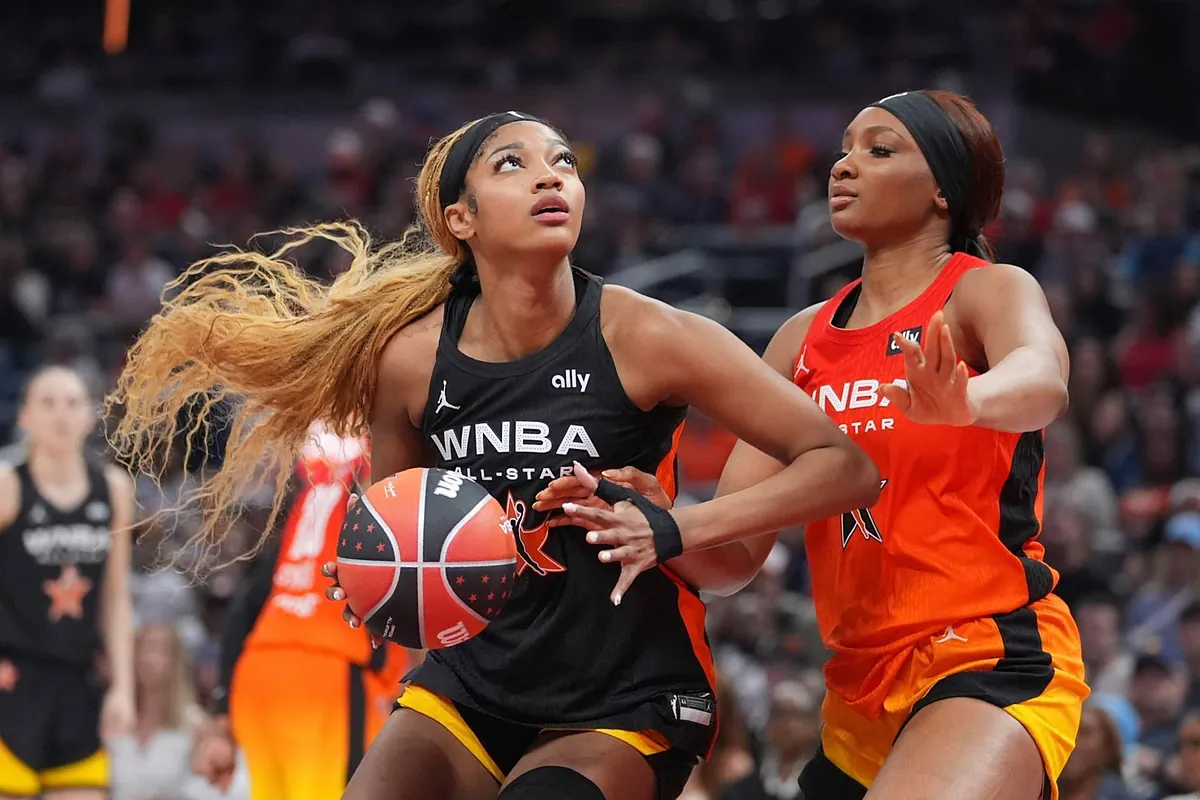
The WNBA continues moving forward, even amid the labor uncertainty that still hangs over the league. This Wednesday, a firm step toward its 30th season was taken with the official announcement of the 2026 schedule, a historic campaign that will feature 44 games per team, despite the fact that the league and the players’ union (WNBPA) have yet to finalize a new collective bargaining agreement (CBA).
The institutional message seeks to convey normalcy and planning. “Publishing the 2026 schedule is a key step as we prepare for the WNBA’s 30th season and allows teams, partners, broadcasters, and fans to begin essential planning for the year ahead,” a WNBA spokesperson said in a statement to Front Office Sports.
A season marked by expansion and global pauses
Action will tip off on May 8 and run through September 24. This season represents a major growth milestone with the addition of two new franchises: the Toronto Tempo and the return of the Portland Fire, all while discussions with the players’ union continue and the specter of a work stoppage has not disappeared.
Commissioner Cathy Engelbert highlighted the significance of the moment: “From welcoming two new organizations in Toronto and Portland, to honoring our history with marquee matchups that connect the league’s first game with today’s stars, the 2026 season will celebrate the past, present, and future of the WNBA
However, the schedule will not be free of interruptions. The league will maintain the 44-game format-rather than expanding to 50 or 54 as proposed during negotiations-due to a 17-day break (from August 31 to September 16) for the FIBA Women’s World Cup in Berlin.
The shadow of labor negotiations
Behind the announcements of dates and venues, a tense reality persists. CBA negotiations entered a “status quo” period after no agreement was reached by the January 9 deadline. Both sides agreed to a moratorium that has frozen free agency, although the risk of a labor stoppage remains, as the union authorized a strike in December.
Sources close to the negotiations indicated that the league has not responded to the union’s latest proposal, submitted around Christmas, which called for a 30% share of gross revenue and a salary cap of $10.5 million. Despite this, WNBPA vice president Breanna Stewart has tempered the union’s stance, clarifying that a strike is not the immediate goal, but rather a measure to have “in our back pocket.”
For now, the WNBA is moving ahead with ticket sales and charter flight logistics, betting that the ball will be in the air in May-while remaining aware that things could change if an economic agreement is not reached.
Read the full article here