





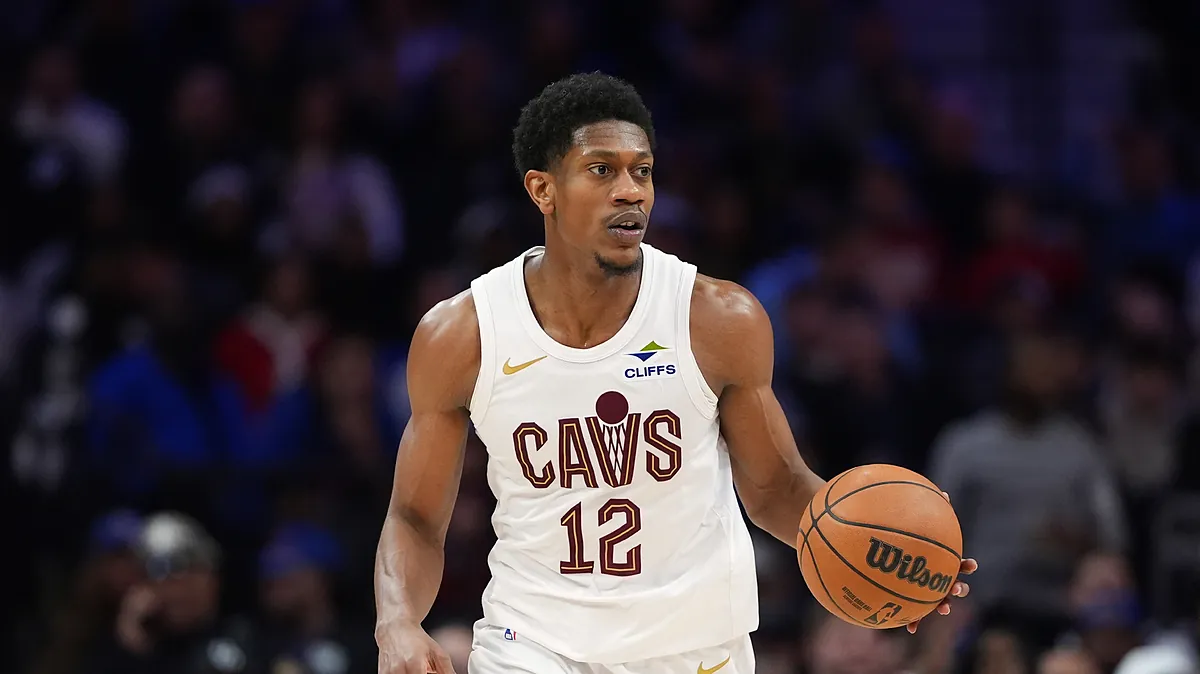
As the NBA‘s February 5 trade deadline approaches, the Los Angeles Lakers have stepped back from advanced negotiations to acquire veteran forward De’Andre Hunter from the Cleveland Cavaliers, league sources told reporters, a development that underscores how complex modern NBA trades have become when balancing roster fit with future cap flexibility.
The discussions between the Lakers and Cavaliers reached a point where the franchises were evaluating both the basketball and financial ramifications of a potential swap, but talks have quietly lost momentum in recent days, according to insiders.
Hunter, 28, fits a profile that Lakers general manager Rob Pelinka and company have publicly chased this season: a versatile wing defender who can theoretically guard multiple positions and space the floor.
He’s averaging around 14 points, 4 rebounds, and 2 assists per game this season, though his three-point shooting has dipped compared to previous years.
Despite that appeal on paper, the proposed trade framework, which early reports suggested would have sent Rui Hachimura and young forward Dalton Knecht to Cleveland without significant draft assets headed back to Los Angeles, ultimately failed to deliver enough perceived value for the Lakers.
Multiple front-office sources familiar with the talks said Los Angeles was wary of taking on Hunter‘s contract, which includes roughly $23.3 million this season and $24.9 million next season, without additional tangible assets or a clear improvement to the roster’s ceiling.
The move also requires the Lakers to commit to a careful balancing act, identifying upgrades around star duo Luka Doncic and LeBron James while safeguarding future cap space for the summer.
Hunter‘s deal, which extends beyond this season, threatened to limit the team’s financial flexibility heading into the offseason, something the front office appears unwilling to sacrifice.
Lakers tread carefully amid cap constraints and roster priorities
League executives familiar with the situation stressed that Los Angeles remains active in trade discussions around the wing market.
Sources indicate the team has also shown interest in other perimeter defenders and could pivot to alternatives that don’t require as significant a long-term financial commitment.
The Lakers are reportedly hard-capped at the second tax apron, sitting just under roughly $1 million below it, limiting how much salary they can absorb in a deal without triggering luxury tax penalties.
That financial calculation has played a major role in shaping their approach to trade talks.
Cleveland‘s position in the trade talks was equally complicated. The Cavaliers are also above the second apron and have limited flexibility, meaning any deal would likely require a third team to facilitate the exchange of salary and contracts effectively.
For now, the Lakers appear content to protect their future flexibility while continuing to evaluate options that could boost their defense and bench production.
Should a deal materialize, it’s likely to involve creative three-team structures or target players who fit more neatly into Los Angeles‘ financial blueprint.
Read the full article here