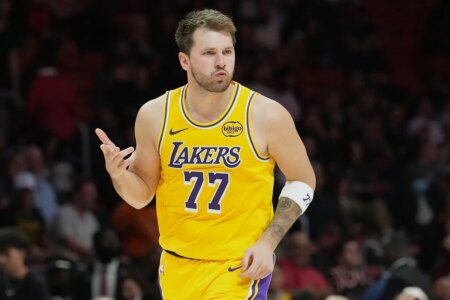






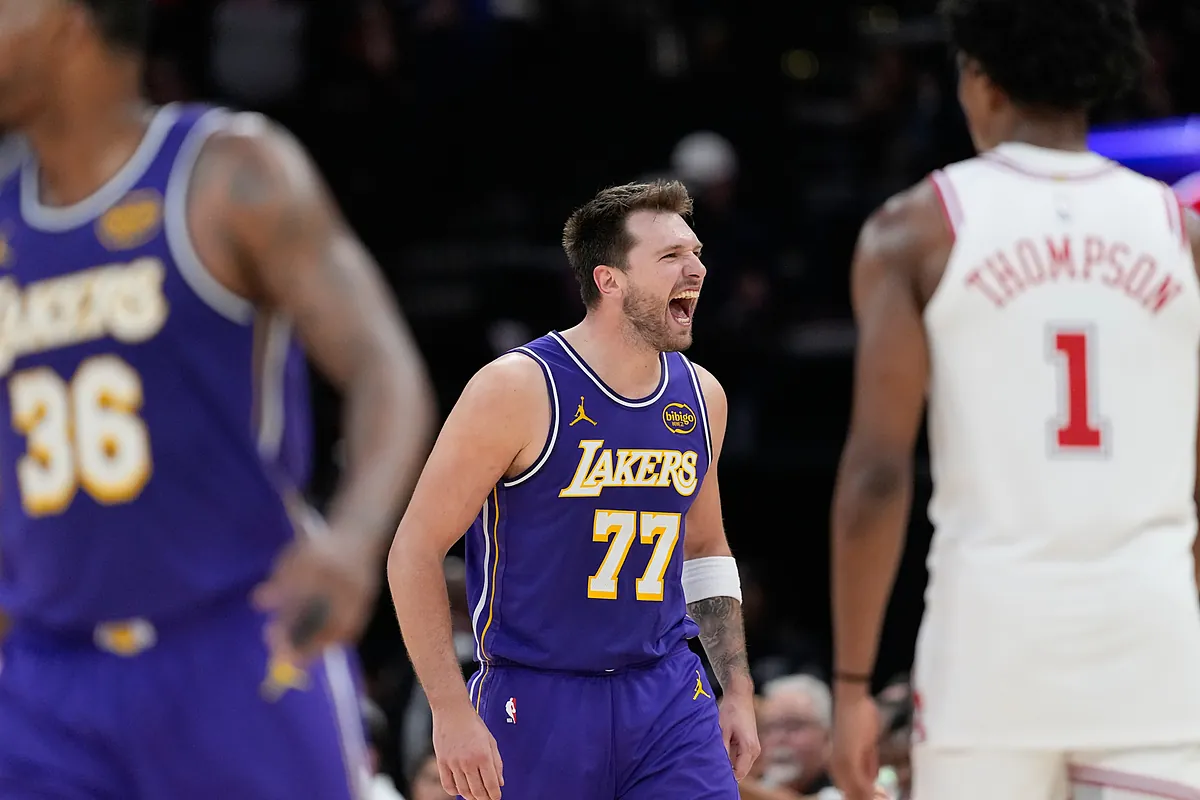
Throughout the 2025-26 campaign, the Los Angeles Lakers have been one of the most difficult teams in the league to evaluate. Their standing in the Western Conference has fluctuated frequently, moving between second and sixth place, while inconsistency against top-tier opponents raised doubts about their postseason potential.
Early in the year, their record against teams above .500 highlighted those concerns, suggesting they struggled to match the intensity and execution of elite competition.
However, March has delivered a dramatic shift in momentum. The Lakers have surged to a 9-1 record this month, powered by a seven-game winning streak that has elevated them into third place in the Western Conference. This run is not only impressive in terms of wins and losses, but also in the quality of opponents they have defeated.
Several victories have come against playoff-caliber teams, signaling that Los Angeles is beginning to establish itself as a legitimate contender rather than a volatile mid-tier squad.
The turnaround has not been driven by a single factor, but rather a combination of improved execution, sharper rotations, and a noticeable increase in urgency. While their offense has remained steady, the real transformation has occurred on the defensive end, where effort and communication have become far more consistent.
This has allowed the Lakers to control key stretches of games, particularly in high-leverage moments where defensive stops translate directly into scoring opportunities.
Defensive intensity and turnover control
A defining feature of the Lakers’ recent success has been their ability to win the turnover battle. In their last stretch of games, they have frequently forced opponents into mistakes, generating steals and deflections that lead to transition baskets.
This defensive pressure has significantly boosted their points off turnovers, creating easy scoring chances that reduce reliance on half-court execution.
Even more encouraging is the team’s resilience in games where the turnover margin is not in their favor. They have still managed to secure victories by staying composed, executing in the half court, and leaning on their core offensive talent.
This adaptability suggests that their recent success is not purely situational, but rather built on habits that can translate into sustained performance.
Key contributors have played an essential role in balancing the team’s identity. LeBron James continues to provide leadership, control the pace, and make critical decisions in late-game scenarios. Meanwhile, Luka Doncic brings elite scoring ability and creative playmaking that places constant pressure on opposing defenses.
Austin Reaves complements the duo with secondary ball-handling, shot creation, and versatility, helping maintain offensive flow when defenses tighten.
The Lakers’ recent victories, including wins over multiple strong opponents and tightly contested finishes, reinforce the idea that they are learning how to close games effectively. While questions about consistency and defensive sustainability remain, their March performance has reshaped expectations.
Read the full article here