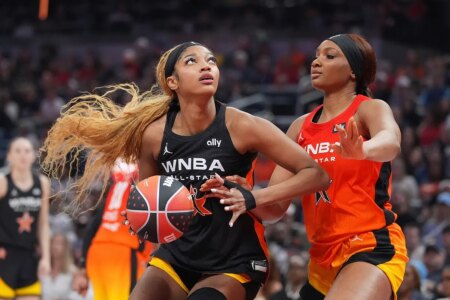






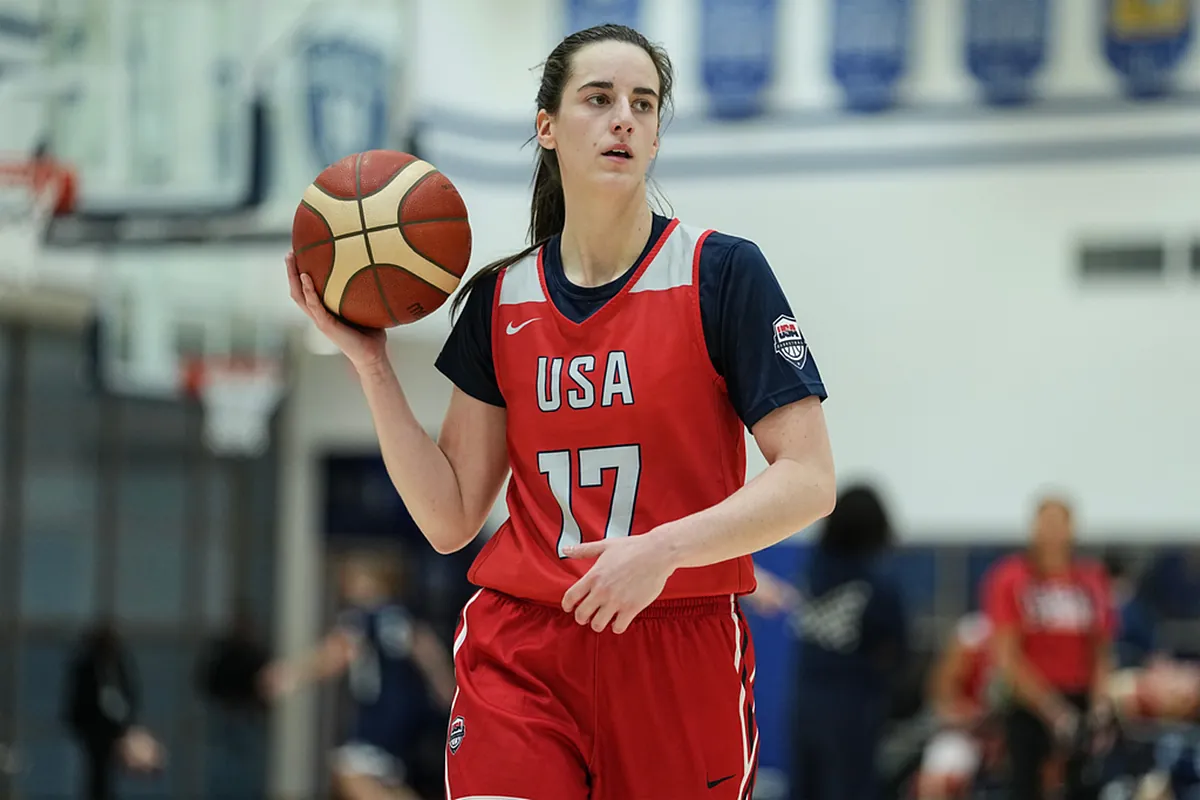
The WNBA has never been under a brighter spotlight than it is today, much of which is focused on Caitlin Clark. Her rise to stardom has not only captivated fans but also brought unprecedented attention to the league.
Yet with this newfound visibility comes a subtle but persistent challenge: how success in women’s sports is recognized and discussed. Clark‘s story highlights not only her individual achievements but also the broader dynamics at play in the promotion of women athletes.
Clark‘s popularity has fueled record-breaking viewership and expanded the WNBA’s reach significantly. However, this growth has exposed a recurring tension.
Instead of purely celebrating accomplishments, conversations often drift into debates over fairness or the notion that highlighting one individual somehow diminishes the contributions of others.
This pattern shifts the focus from progress to justification, making what should be a moment of celebration feel defensive.
This tension was recently highlighted by former ESPN anchor Elle Duncan during an appearance on the Awful Announcing podcast with Brandon Contes. Her remarks came in response to a WNBA Instagram post showcasing Clark‘s involvement in NBA broadcasting.
The post was deleted after attracting waves of hostile comments, reflecting the familiar cycle: when Clark is promoted, the discussion often moves away from her accomplishments and toward comparisons or arguments about recognition.
Why the conversation around Clark matters
Duncan explained why this mindset is problematic.

“You should celebrate Caitlin,” she said. “With women, there’s this idea that if you exceptionalize one woman, you have to acknowledge every other woman that came before her. We don’t have to break off the crown and give every single little person a piece.”
Her point emphasizes that acknowledging history should not come at the expense of recognizing exceptional achievement. The moment Clark succeeds, it shouldn’t be overshadowed by conditions or caveats.
The implications go beyond Clark herself. They touch on the growth of the league and how stakeholders, including media, broadcasters, and fans, frame success.
When promoting players attracts more criticism than praise, it causes a problem. It not only limits the individual’s recognition but also caps the league’s potential for broader engagement.
Clark‘s situation illustrates a recurring discomfort with singular stardom in women’s sports. Attempts to elevate players often meet with debate instead of engagement, creating defensive discourse rather than excitement.
In order for the WNBA to fully capitalize on Clark‘s popularity, it needs to encourage genuine celebration without the need for constant caveats or comparisons.
Clark‘s story, and the reactions it provokes, serve as a reminder that how we celebrate female athletes matters just as much as their accomplishments.
Read the full article here