





A single comment has sparked a big conversation in the sports world.
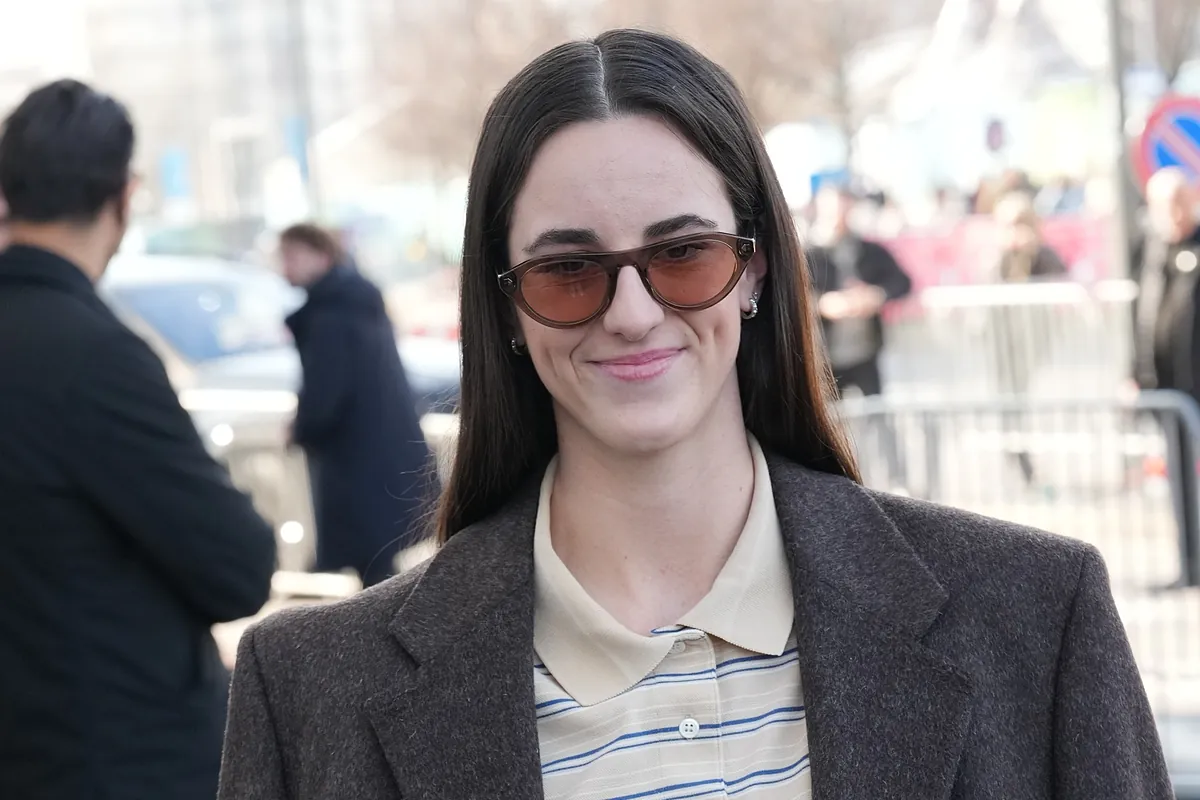
Former NFL running back LeSean McCoy recently suggested that Caitlin Clark could be the most influential female athlete of all time, a statement that quickly spread across sports media and reignited an old debate about influence in women’s sports.
Clark’s rise has been unusually fast. The No. 1 pick in the 2024 WNBA Draft entered the league with massive attention after a record-breaking college career at the University of Iowa. Her deep shooting range and aggressive pace turned Iowa into one of the most watched programs in college basketball.
That attention did not disappear once she turned pro. If anything, it followed her straight into the WNBA.
During Clark’s rookie season, several broadcasts featuring her team became some of the most-watched regular season WNBA games in years, according to viewership data reported by ESPN and Nielsen. Ticket demand surged across the league, with multiple teams moving games to larger arenas when Clark came to town.
Her impact has been felt not only on the court, but also in television ratings, ticket sales, and the overall visibility of women’s basketball.
The names that usually define this conversation
When people talk about influence in women’s sports, two names almost always come up first.

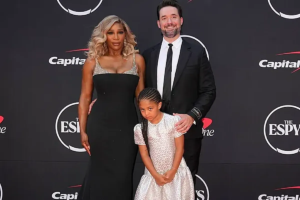
Serena Williams reshaped tennis during a career that produced 23 Grand Slam singles titles, the most in the Open Era. Her influence extended far beyond championships, helping elevate the global profile and commercial reach of women’s tennis.
Then there is Simone Biles, who transformed gymnastics with a level of dominance rarely seen in any sport. According to the International Gymnastics Federation, Biles has won 7 Olympic medals and 30 World Championship medals, making her the most decorated gymnast in history.
Both athletes spent years building legacies that combined championships, cultural influence, and global recognition. Clark, by comparison, is only beginning her professional career.
Why Caitlin Clark’s name suddenly belongs in the discussion
The latest debate began during a conversation on the “Speakeasy” podcast featuring former NFL players Emmanuel Acho and LeSean McCoy.
During the discussion, McCoy made a striking claim about Clark’s influence in sports. The argument centers on the surge of attention surrounding Clark’s games.
“She’s like top three, might be two… No, she is one. She’s the most influential women’s athlete of all time…
According to broadcast reports from ESPN, WNBA viewership increased significantly for games featuring Clark, with several broadcasts ranking among the most watched regular-season games in recent league history. Attendance numbers also climbed as fans packed arenas across the country.
League leadership has acknowledged the growth as well. WNBA commissioner Cathy Engelbert has publicly pointed to record attendance and rising television audiences in recent seasons.
The conversation is no longer just about Clark’s performance, but about how much attention she has brought to the sport itself.
Influence and legacy are not always the same thing
Even with the surge in popularity, Clark’s professional résumé is still developing.
She has already earned WNBA All-Star selections early in her career, but comparisons with athletes such as Serena Williams and Simone Biles remain complex when measured purely by championships and longevity.
Those athletes built their influence over many years of historic success. Clark’s influence has arrived much faster, driven by audience growth, television exposure, and a style of play that has captured attention across sports media.
A moment of momentum for women’s basketball
Clark’s popularity is also part of a broader shift for the WNBA.
Interest in the league has steadily increased, fueled by emerging stars, expanded media coverage, and stronger investment in women’s sports. Clark’s arrival accelerated that momentum.
Her long-range shooting and high-energy play have quickly become central to the league’s highlight culture. The result is a noticeable expansion of the audience following women’s basketball.
The WNBA debate is far from settled
Clark’s career is still unfolding, which makes historical comparisons difficult right now.
Athletes like Serena Williams and Simone Biles built their reputations across years of championships and defining performances. Clark’s story is still in its early chapters.
But the fact that her name is already appearing in conversations about the most influential female athletes ever speaks volumes about the impact she has made in a short period of time.
If the growth of the WNBA continues alongside Clark’s development as a player, that debate may only grow louder.
Information referenced in this article comes from WNBA records, ESPN and Nielsen broadcast reports, the International Gymnastics Federation, historical Grand Slam tennis statistics, and statements made during the “Speakeasy” podcast discussion featuring Emmanuel Acho and LeSean McCoy.
Read the full article here