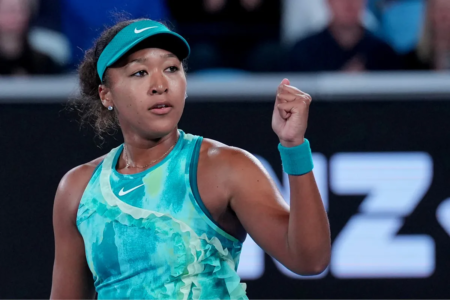
GLP-1 medications have moved rapidly from medical clinics into mainstream conversation, helped in part by famous names like Serena Williams, Simone Biles and Tom Brady.
The involvement of such elite athletes has drawn attention to drugs including Ozempic, Wegovy and Zepbound, which are prescribed for obesity and Type 2 diabetes and have seen usage more than double across the US since early 2024.
Brady, 48, recently stepped into a new role as chief wellness officer for digital health platform eMed.
The seven-time Super Bowl champion’s move surprised many, given his long standing reputation for discipline, fitness and longevity. His endorsement follows a wave of sports figures aligning themselves with GLP-1 treatments, a trend that has sparked both curiosity and debate.
For some medical professionals, the star power has clear advantages. Dr. Peter Balazs, a New Jersey based hormone and weight loss specialist, believes athletes can help make complex medical topics more approachable.
“It opens the door to healthy discussions, allowing medical professionals to address risks, benefits and create a safer environment,” Balazs told The Post.
“Throughout their fame and hard-earned credibility, it encourages their followers to make the first step towards a healthier lifestyle.
“It can also redefine their legacy by transforming from sports icons to champions of public health.”
Why athletes are entering the GLP-1 space
Not all athlete partnerships are driven by personal use. Simone Biles, now 28, does not take Mounjaro herself, but partnered with Eli Lilly after her mother began the medication to treat Type 2 diabetes.
These collaborations also reflect the reality many retired athletes face when their intense training schedules end.
Balazs describes post career weight gain as a “silent post-career crisis,” noting that GLP-1 use should still be paired with sound nutrition and strength training.
“Promoting GLP-1 agonists is more powerful when paired with the foundational principles they embodied as athletes, such as emphasizing adequate protein intake and resistance training to combat sarcopenia,” Balazs said.
Serena Williams, 44, has also spoken openly about weight struggles after giving birth, leading to her partnership with telehealth platform Ro.
“Celebrity endorsements of GLP-1s can normalize the conversation and use of GLP-1s,” said Dr. Shiara Ortiz-Pujols of Staten Island University Hospital.
Dr. Rachel Goldman added that athlete transparency can be empowering for the public.
“Their openness can help break the stigma and give people permission to seek the treatment they need and to stop blaming themselves,” she said.
“It allows one to shift the way they are thinking about health and weight struggles to a medical lens rather than a moral one.”
Still, Ortiz-Pujols cautioned against unrealistic comparisons.
“Their job is to be top-performing athletes, which entails hours of training, optimal nutrition and adequate sleep,” she said, reminding consumers that most people do not have access to the same resources.
Read the full article here