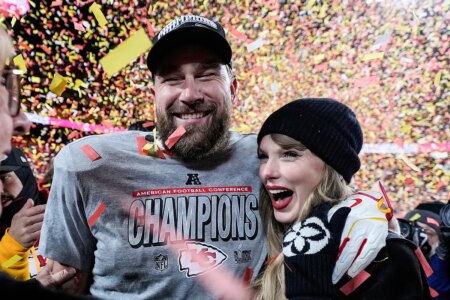




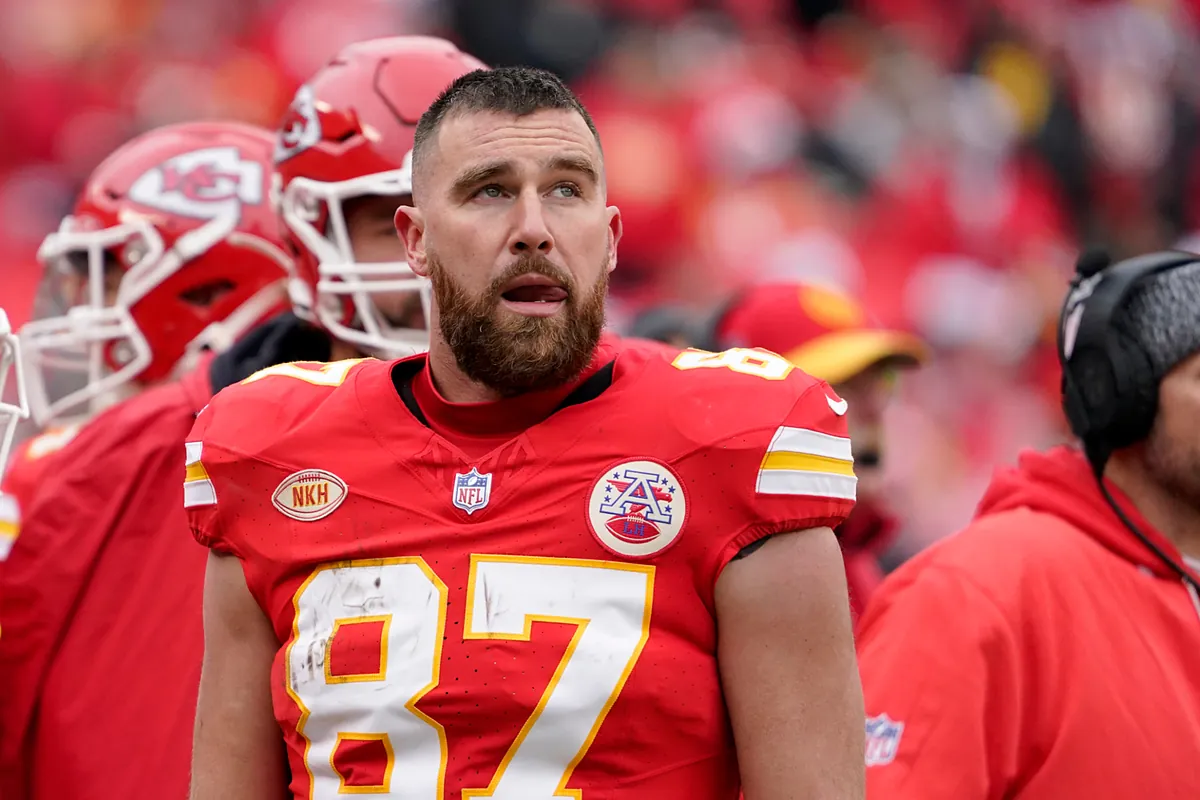
The Kelce brothers’ “New Heights” podcast is drawing attention not just for its content but for the debate it has sparked over how athletes engage with the media.
During Wednesday’s edition of ESPN‘s First Take, longtime contributor Chris “Mad Dog” Russo criticized the podcast.
Russo argued that Kansas City Chiefs tight end Travis Kelce and his brother, former Philadelphia Eagles center Jason Kelce, should speak directly to reporters rather than using their own platform to communicate with fans.
“I could care less about his stupid podcast… No serious sports fan listens to that nonsense anyway,” Russo said, expressing frustration that fans were being forced to wait for podcast episodes.
Russo comments spark outrage
Russo‘s remarks ignited a flurry of reactions online, with fans questioning whether the media truly deserves direct access to players.
On X, one user commented, “Why does the media think that: A) They deserve to interview players after a game B) We even care what an athlete has to say after a loss. Pretty sure we all know that they wanted to win but didn’t win……”
Another wrote, “I like Russo but no serious sports fan really cares about post-game interviews.
“They also don’t think hanging out at a team’s HQ and going to all their games for seven months and writing about it is actual work. They spend their life chasing other dudes around to ask them questions.”
A third fan pointed out the disconnect between former athletes and media contributors, adding, “I could care less what a man, who has never played a snap in the NFL, has to say on the matter.”
The backlash illustrates the broader tension between traditional sports media and modern platforms that allow athletes to control their own narrative.
In recent years, players have increasingly opted to communicate through personal social media accounts, podcasts, and other digital channels.
According to a report from The Athletic, this shift gives athletes more control over their messaging and reduces the risk of being misquoted or sensationalized by reporters.
Podcasts, in particular, allow players to provide context, share behind-the-scenes stories, and engage directly with fans on their own terms.
The Kelce brothers’ podcast has leveraged this trend, blending sports commentary with personal anecdotes. Jason Kelce retired in 2024 after 13 seasons with the Eagles, while Travis Kelce continues to play at a high level for the Chiefs.
The Kelces approach followed by other stars
Their show has become a platform where they can speak candidly, unfiltered, and without the constraints of traditional press protocols.
Experts argue that this evolution reflects broader changes in how audiences consume sports content. A recent Forbes article noted that fans increasingly prefer direct access to players rather than mediated interviews.
“Athletes are no longer beholden to traditional sports reporters,” the article said. “They can shape their own stories and provide authentic content on their own schedule.”
While some traditional media figures, like Russo, remain critical of these developments, the Kelces‘ approach highlights a growing trend in professional sports.
By controlling their own narrative, players can avoid controversy, connect more meaningfully with their audience, and share insights that might never make it into standard post-game interviews.
Ultimately, the debate over post-game access versus athlete-led platforms is likely to continue.
As podcasts and social media become increasingly central to sports coverage, fans may increasingly expect athletes to bypass traditional channels altogether, changing the relationship between players, the media, and the audience for good.
Read the full article here