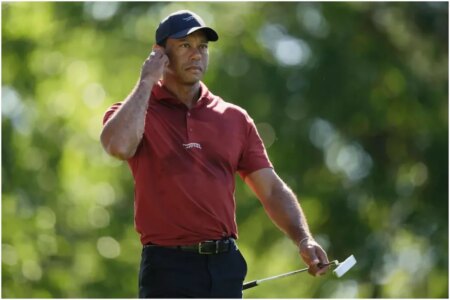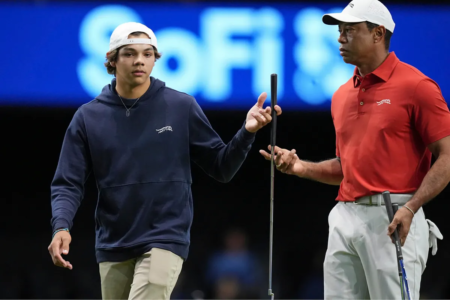





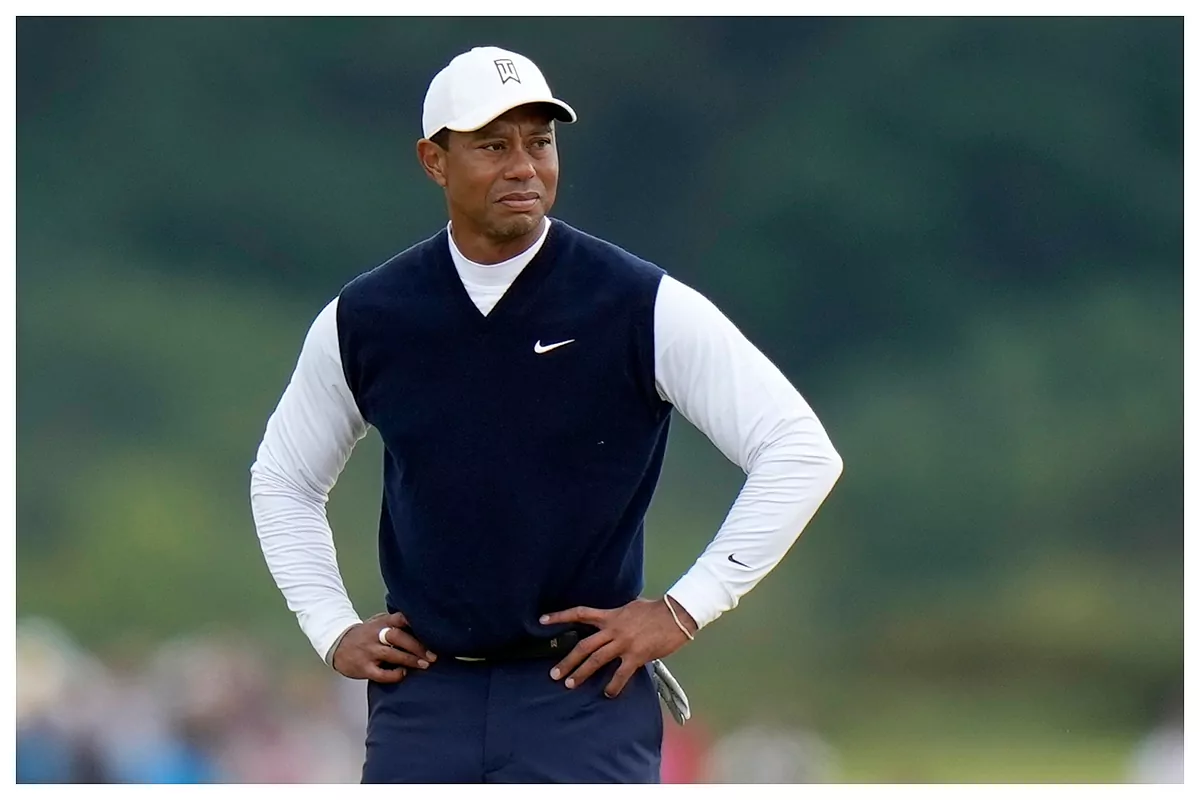
Tiger Woods, one of golf’s most iconic figures, finds himself embroiled in a contentious debate over the PGA Tour‘s evolving competitive landscape, with some voices within the sport warning that his prominent role in shaping radical changes could be creating divisions among players and stakeholders.
At the heart of the controversy are reforms set to take effect for the 2026 season that fundamentally alter the way the PGA Tour operates, from shrinking tournament fields and reducing the number of fully exempt tour cards to restructuring lowertier pathways into the main circuit.
Critics argue that these decisions, many of which have been championed by Woods and other influential members of the tour’s leadership, risk marginalizing rankandfile professionals in favor of elite stars.
Is the path to the PGA harder now?
J.J. Spaun remarked that he feels the path to the tour is “harder now” at a recent press gathering, capturing the unease felt by players confronting the tightening of opportunities as the tour’s structure shifts.
Woods‘ voice carries outsized influence on the tour’s Future Competition Committee and related policy boards, platforms from which he has helped shape a strategic overhaul intended to increase the tour’s commercial appeal and provide greater financial stability for top performers.
This includes capping regular event fields at 144 players and trimming the number of spots granted annually through the Korn Ferry Tour from 30 to 20.
Supporters of the overhaul say the changes are necessary to modernize professional golf, enhance fan engagement, and ensure that marquee players compete during key weeks of the season.
However, detractors, including a segment of tour professionals and golf commentators, believe the reforms could deepen fractures within the sport, reducing access for upandcoming competitors and creating a perception that the system favors established names.
Woods, while not publicly confronting the criticism, has previously defended structural evolution in professional golf.
In comments from the Bahamas at the 2024 Hero World Challenge, he stressed that adjustments to the tour’s competitive model were intended to offer “something better for our fans, our events, our sponsors,” and to help redefine what it means to be a tour professional.
Yet outside the corridors of policy meetings and boardrooms, the ripples of discontent are visible. Some players, frustrated with limited starts and escalating competition for spots, have openly questioned whether the tour’s current trajectory aligns with its longheld traditions of meritbased access.
As the PGA Tour navigates this period of transformation, Woods‘ dual role as both ambassador and architect of change places him in a delicate position: the face of the sport’s legacy even as the structures that govern its future evolve around him.
Woods himself continues to manage a complex personal chapter. Recovering from multiple injuries and surgeries, he has not competed in a PGA Tour event in over a year and has hinted at the possibility of a return to competition, including at the Masters.
“No,” Woods said when asked if playing at Augusta in 2026 was off the table, as his focus remains divided between recovery and his roles beyond the ropes.
Golf analysts also note that Woods‘ potential involvement as captain of the U.S. Ryder Cup team remains unsettled, adding another layer of speculation to his already multifaceted influence on the sport.
Read the full article here