





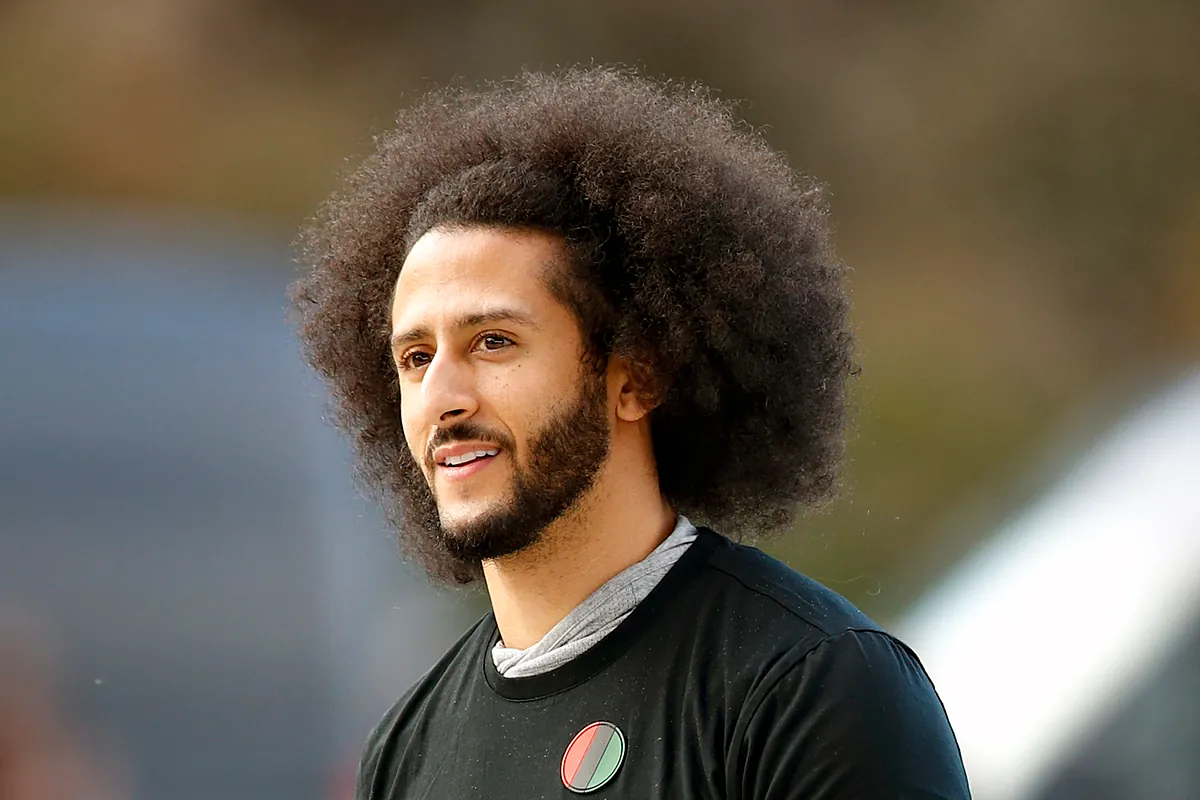
When the San Francisco 49ers and Baltimore Ravens faced off in Super Bowl XLVII, it was more than just a championship game, it was famously dubbed The Harbaugh Bowl.
On February 3, 2013, the NFL spotlight shone on brothers John and Jim Harbaugh, who found themselves coaching on opposite sidelines. The Ravens ultimately emerged victorious, 34-31, but the loss left a lingering shadow over the 49ers, primarily because of one critical decision that involved quarterback Colin Kaepernick.
San Francisco had mounted an incredible comeback from a 22-point halftime deficit and positioned themselves deep in Baltimore territory with under two minutes remaining.
Kaepernick, known for his dual-threat capability, had delivered an outstanding performance, finishing the night with 302 passing yards, a touchdown, and a 98.3 passer rating, stats that would normally place a player squarely in MVP consideration.
But in a crucial moment inside the 5-yard line, instead of relying on the clock-controlling ground game that had been dominant throughout the second half, the 49ers called three consecutive pass plays. All three came up incomplete, ending their chance to take the lead.
Coaching call that still haunts
According to former 49ers tight end Delanie Walker, who discussed the game on the Bussin’ With The Boys podcast, Jim Harbaugh later admitted that he had made a mistake by passing instead of handing the ball to running back Frank Gore, who had been nearly unstoppable that night.
“How I saw it, he wanted Colin Kaepernick to get MVP of the Super Bowl,” Walker said.
“That was the mindset that Harbaugh had when he thought about throwing the ball 3 times, because if you do go back and look at our run game, they couldn’t stop Frank Gore. After the game, Jim Harbaugh comes in (to the locker room) and says, ‘That’s on me.’ He probably realized we should have run the ball at that moment.”
Harbaugh himself reflected on the moment in a 2024 interview.
“I wish we had run the ball, would have taken a crack with Frank Gore … Woulda, coulda, shoulda,” he said. “It’s the kind of stuff that haunts you because you walk off the field and think, ‘There will be other days,’ only to realize that might have been the only day.”
That sequence has since become one of the most analyzed play-calls in NFL history, often discussed alongside other infamous end-game choices like the Seahawks’ decision in Super Bowl XLIX.
Beyond the immediate consequences, it left an indelible mark on Kaepernick‘s and Harbaugh‘s legacies alike. For Kaepernick, it was a night of personal excellence overshadowed by a team loss.
As for Harbaugh, it was a reminder that even brilliant coaches are not immune to the haunting “what-ifs” of championship football.
Read the full article here