





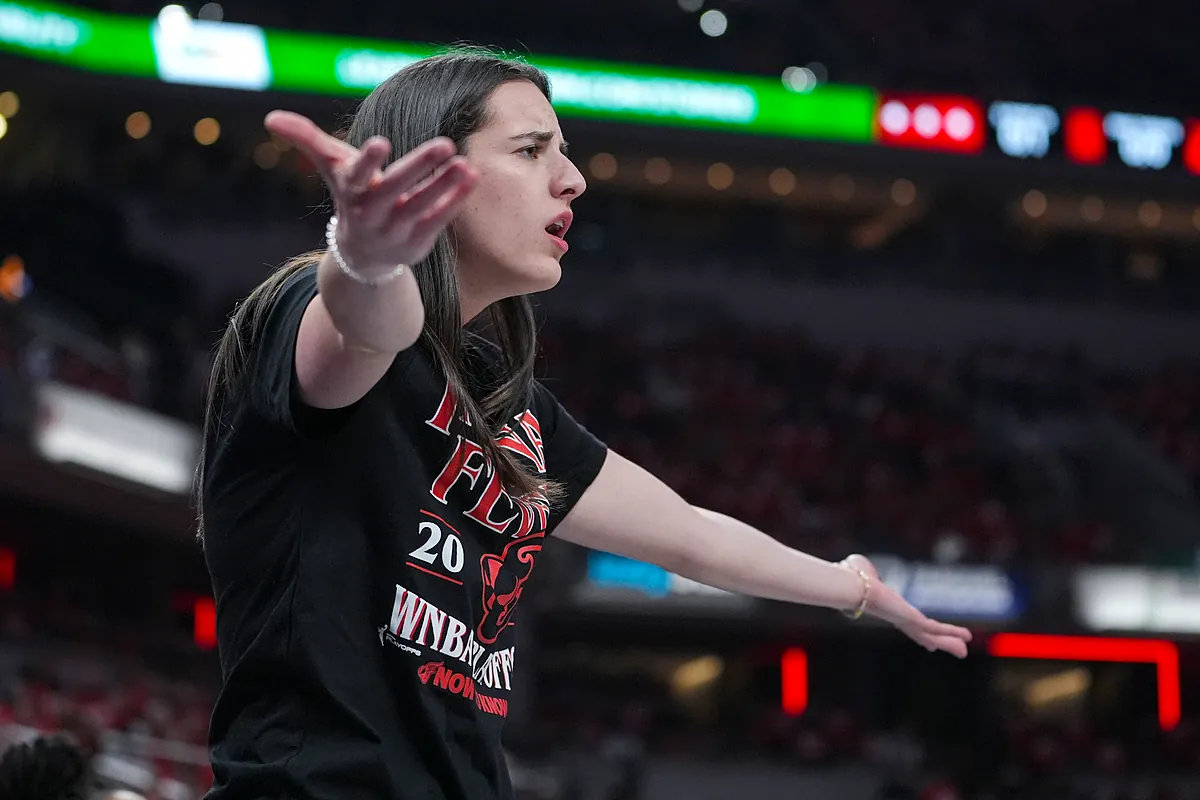
The WNBA is currently navigating an unusual situation as the Indiana Fever and other teams remain in the midst of a league-wide lockout.
Despite this, free agency has technically commenced, though the process is unfolding under very unusual circumstances. While the lockout has paused typical team operations, certain contractual rules have allowed qualifying offers and restricted free agency procedures to continue under the current collective bargaining agreement (CBA).
Front Office Sports reporter Annie Costabile explained the reasoning behind the timing of these transactions. She noted that a procedural glitch has created a temporary window in which some free agency activities can still occur, even without a finalized new agreement.
“The glitch in the system is the result of the Jan. 9 deadline passing with no deal, no agreement to an extension, and no work stoppage, which pushed negotiations into a period of status quo. This means that both sides can continue negotiations under the conditions of the current CBA,” Costabile wrote.
One significant consequence of this glitch involves qualifying offers, which teams began sending out on Jan. 11. These offers include “core designations,” which operate similarly to the NFL’s franchise tag. Restricted qualifying offers are typically extended to free agents who have either completed four years of service or are finishing the fourth year of their rookie-scale contracts.
The offers come with a one-year deal and give a player’s current team the right to match any competing contract. This ensures that the player remains a restricted free agent, preventing them from becoming fully unrestricted and allowing teams to retain control over their roster.
Players hold off amid contract uncertainty
Even though free agency can technically proceed under the current rules, most players are exercising caution and delaying new contracts. Breanna Stewart, vice president of the WNBPA and star of the New York Liberty, highlighted that the player association is advising members to wait for a new CBA before signing anything.
“They might be going out because that’s how it’s written,” Stewart said. “We have pretty standard messaging across the PA and the EC of making sure we’re all on the same side of not signing anything because if you sign that you’re going to be locked into those numbers. Everybody is in a holding pattern right now.”
League owners and the players’ association continue to work closely to finalize a new agreement, but no timeline has been confirmed for when a deal will be reached. Until then, most free agency signings are expected to remain on pause.
The current situation shows the complexity of professional sports labor negotiations and the challenges players and teams face in balancing contractual obligations with strategic roster planning.
Read the full article here