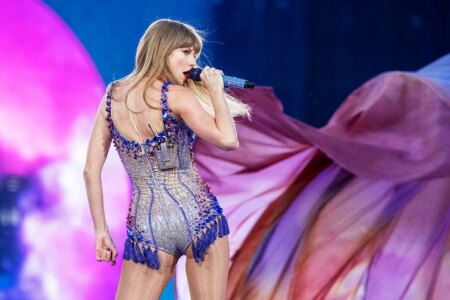




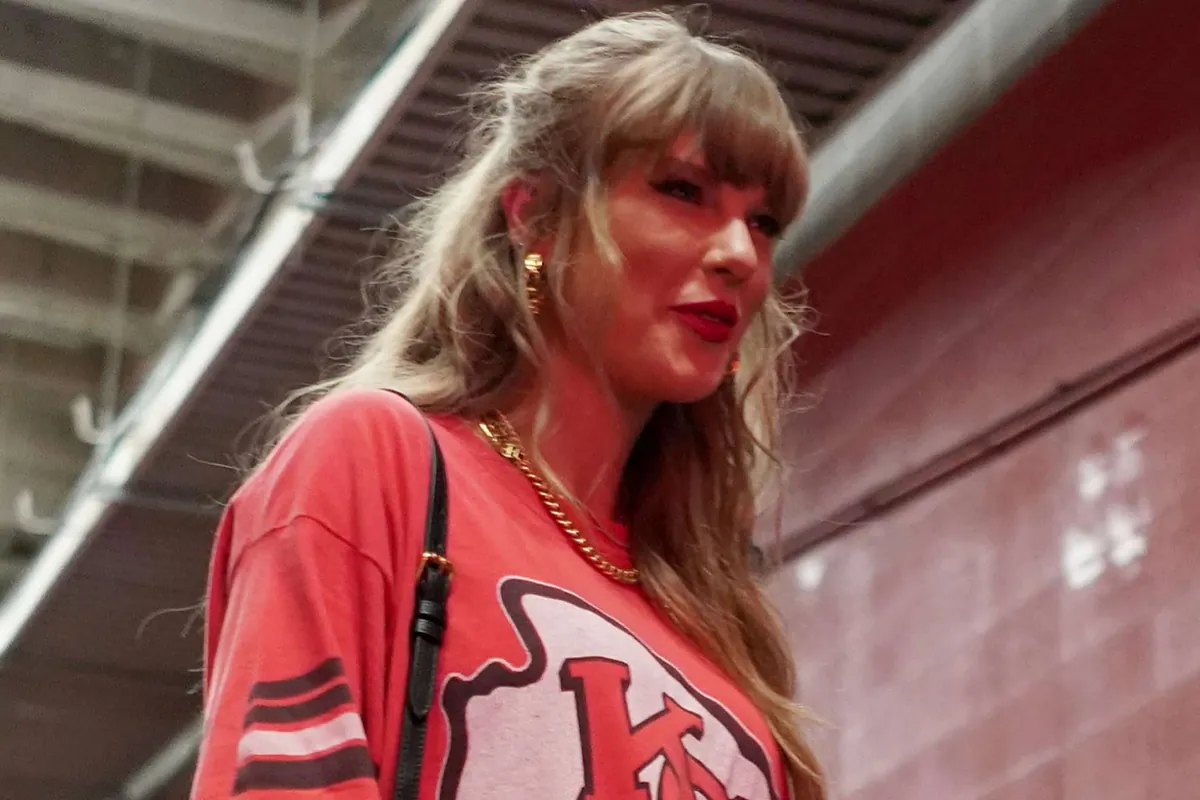
Taylor Swift will not be headlining the halftime show at Super Bowl LX, despite years of speculation linking her to the event.
The 35-year-old singer has consistently been viewed as the league’s most sought-after performer for its marquee entertainment slot, but reports confirm that discussions with the National Football League ended without agreement.
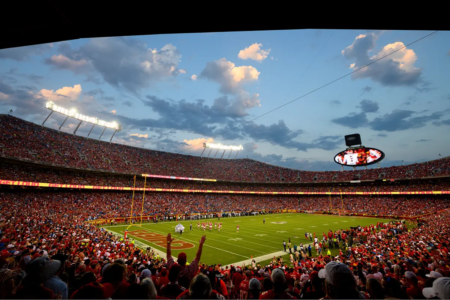
The Super Bowl halftime show is one of the most visible stages in the world. More than 100 million people typically watch the broadcast, and artists who perform often experience surges in record sales and streaming numbers.
Unlike most concerts, however, the league does not pay its headliners beyond a modest stipend, framing the opportunity as exposure rather than a commercial arrangement.
For Swift, who currently sits atop the global music industry, the incentives attached to such visibility are limited.
According to multiple reports, her representatives requested specific concessions from the NFL, including ownership rights over the performance and the ability to highlight future projects during the broadcast.
League officials declined to meet those terms, ending any possibility of her participation in 2026.
A stalemate over value and control
Industry sources have described the failed talks as a matter of principle rather than preference. Executives close to the negotiations indicated that Swift‘s team was seeking recognition of her stature through a contract that differed from the NFL’s standard framework.
Ownership of performance footage and promotional opportunities were at the center of her demands, both of which the league refused to concede.
Observers note that the NFL has historically maintained tight control over halftime productions, with sponsors, media rights, and distribution closely managed by the organization.
For most performers, the unparalleled global platform is considered sufficient compensation. Swift, who has reclaimed her recording catalog and built a reputation for carefully protecting her artistic independence, was unwilling to compromise on those points.
“She wanted a deal that reflected her value,” one industry insider explained. Without those assurances, negotiations stalled, marking another year in which the league will look elsewhere for a headliner.
The decision has been met with visible disappointment from both NFL fans and Swifties alike, many of whom had hoped that Swift‘s long-anticipated halftime debut would coincide with the NFL’s milestone 60th Super Bowl.
Reactions on social media described the outcome as a missed opportunity for the league, with some arguing that while Swift does not need the event, the event could have greatly benefited from her participation.
Attention has now turned to potential alternatives. Among the names circulating is British pop star Dua Lipa, whose recent chart success and international recognition make her a credible candidate.
While her energetic stage presence could bring a different dynamic to the performance, Swift remains the clear favorite among many fans who view her absence as a loss for the occasion.
As Super Bowl LX approaches, the NFL faces the challenge of selecting a performer capable of sustaining global interest in the halftime spectacle.
The failed negotiations with Swift highlight an evolving reality: for the most prominent artists, participation requires not just visibility but also terms that align with their creative and commercial priorities.
Read the full article here