




The WNBA is currently navigating the most volatile period in its professional history, with a definitive “do-or-die” date of March 10 set to determine the trajectory of the upcoming season.
As the league prepares for the college draft and the expansion into new markets, a labor standoff has paralyzed progress, leaving the future of the 2026 season hanging in the balance.
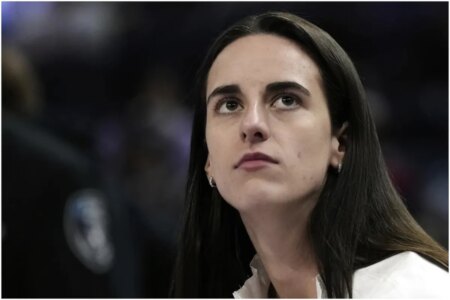
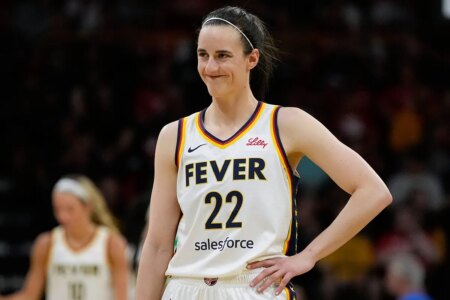
Central to this confrontation is a fundamental disagreement over how the league distributes the massive financial gains generated by the unprecedented surge in popularity surrounding stars like Caitlin Clark.
The atmosphere among the players is one of deep-seated frustration. Indiana Fever veteran Sophie Cunningham has been among the most vocal critics, utilizing her “Show Me Something” podcast platform to dismantle the league’s current financial structure.
Cunningham, a former Commissioner’s Cup champion, argues that the league office is intentionally stalling, hoping that the players will lose their resolve as the calendar pushes closer to the season’s start.
“They’re waiting for us players to crack… We are unified as it gets right now, and like if we don’t have a season that says a lot more about the WNBA league than us because we’re ready,” Cunningham stated during a recent episode.
The core of the dispute involves how athlete compensation is calculated compared to revenue generation.
According to data cited by Cunningham, the current model creates an extreme imbalance. She contrasted the WNBA’s structure with the NBA, highlighting a stark discrepancy in how jersey sales are processed.
“Let me explain that. If you’re the league and I’m the player and you buy my jersey and I’m a male, say I’m on the in the NBA, if you’re paying $100, the league gets $50, I get $50. Okay. Right now in the W, it’s like the league gets $97-98 and I get two,” Cunningham noted.
Escalating rhetoric marks breakdown in league communications
The public commentary has turned increasingly aggressive, signaling that the breakdown in relations extends beyond dollars and cents and into the core of the league’s management style.
Commissioner Cathy Engelbert has become a specific target of this vitriol, with Cunningham characterizing her approach as “the most delusional leader our league has seen” during an October discussion.
This lack of faith in the league’s top brass has only deepened as negotiations regarding the Collective Bargaining Agreement have stalled, with players alleging that the office has refused to even discuss revenue-sharing models during recent meetings.
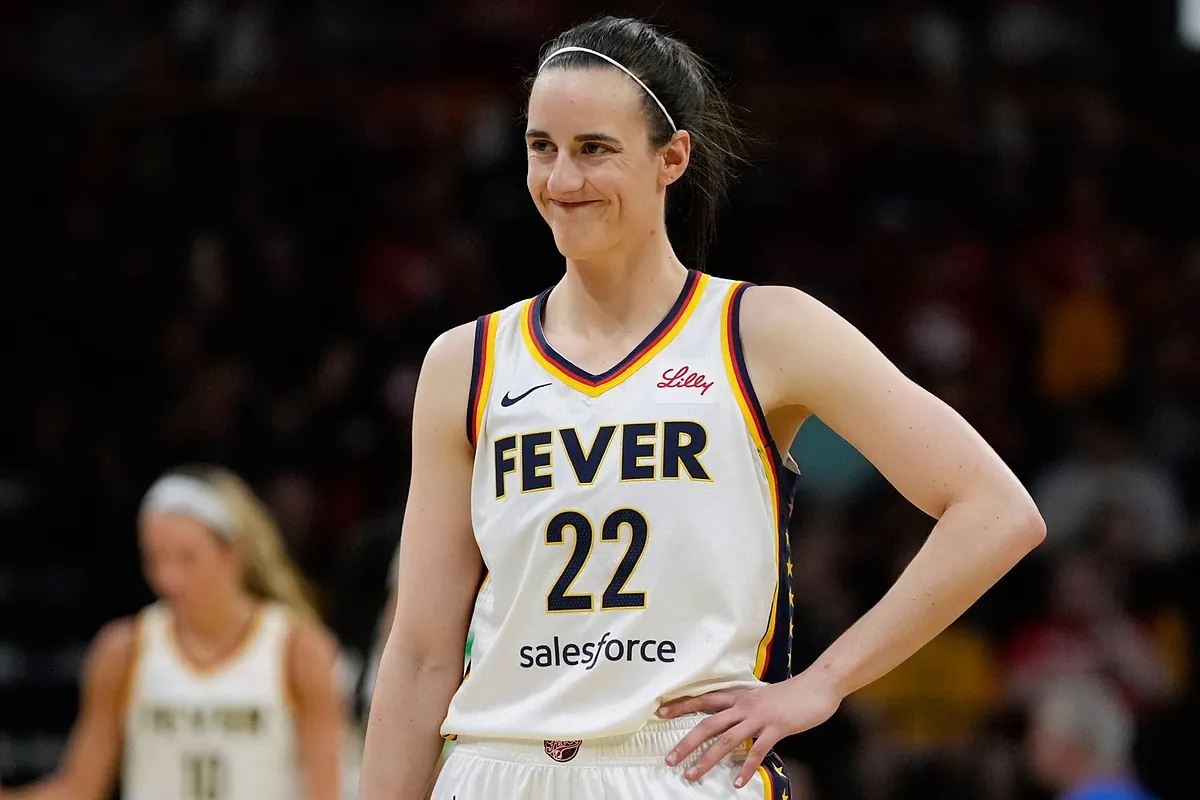
The economic reality facing players like Caitlin Clark has fueled much of the public outcry. Despite being the second-best-selling jersey in the global market in 2024, Clark’s base salary was fixed at $78,066.
Critics argue that the league has attempted to silence these concerns by offering what Cunningham described as a “smoke screen,” consisting of minor salary cap adjustments of roughly $50,000 to $100,000 per team, rather than undertaking a comprehensive valuation of player contributions.
The friction is further exacerbated by the league’s push for a significantly expanded schedule, which would add ten games and extend the season into late November.
Read the full article here