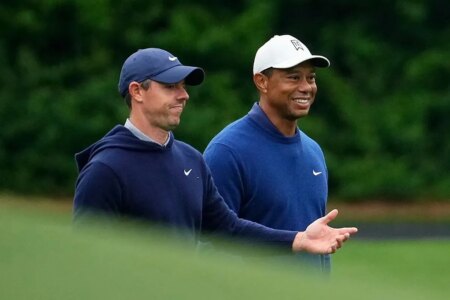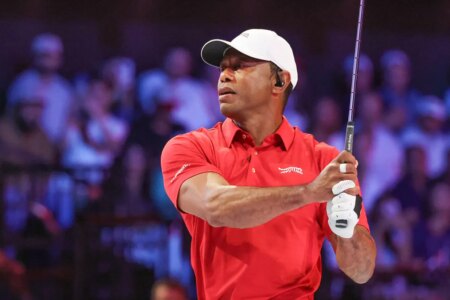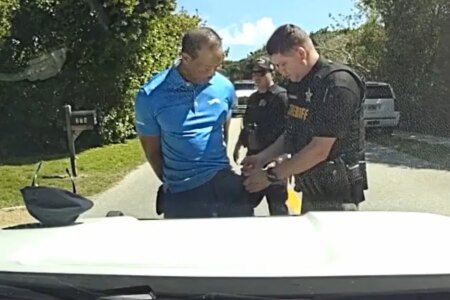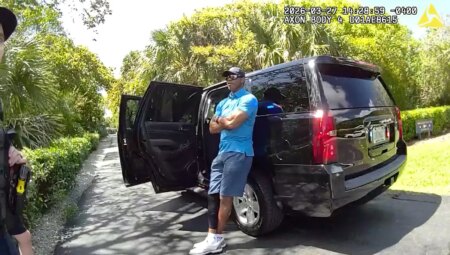






There is always a central storyline at The Masters, but this year it arrives in the form of a notable absence. Tiger Woods, a five-time champion at Augusta and one of the defining figures in modern golf, is not part of the field following his recent DUI arrest in Florida.
In a week that usually revolves around contenders and course conditions, attention has instead shifted to how players are reacting to Woods‘ situation.
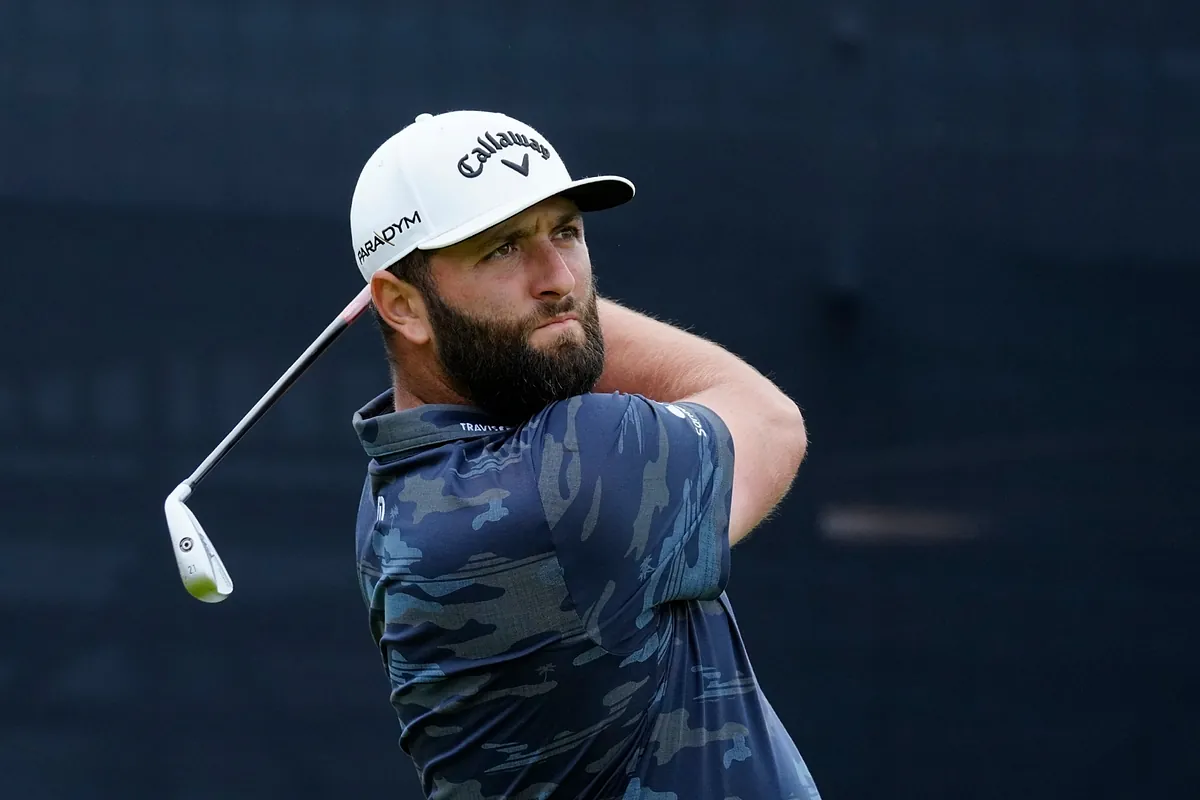
Among those asked to weigh in was Jon Rahm, who struck a careful balance between support and restraint when addressing the topic.
“There’s a lot of players in this field that we’re very close to him,” Rahm said during his pre-tournament media duties. “Quite frankly, I don’t know if this will be the week to do so… they have enough going on this week with the Masters and a friend needing some help.”
Rather than speculate or amplify the controversy, Rahm made it clear that his focus was on the human side of the situation, not the headlines surrounding it.
While avoiding direct judgement on the incident, Rahm did not hesitate when speaking about Woods‘ ability to recover from adversity. Few athletes in any sport have demonstrated the same resilience over time.
“All I can hope is that he gets the help that he can get, and he can come back in a better position after that,” Rahm said. “He is arguably the king of comebacks. So if there’s somebody that has the mental strength to come back from an issue like that, it would be him.”
That assessment is grounded in history. Woods‘ career has been defined as much by his returns as his dominance, from his 2008 U.S. Open victory through injury to his emotional triumph at Augusta in 2019 after years of physical and personal setbacks.
Rahm‘s comments suggest a belief shared quietly among many players, that Woods‘ legacy is built on overcoming moments like this.
A divided reaction across the golf world
Not everyone within the sport has taken the same approach. As the Masters field gathered, a range of opinions emerged, highlighting a clear divide between support and accountability.
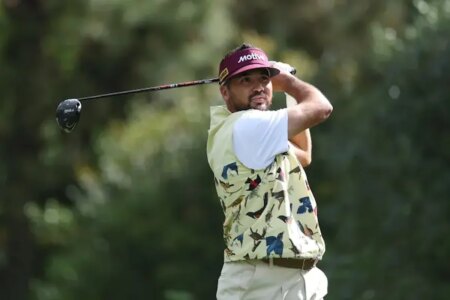
Jason Day acknowledged Woods‘ influence but also pointed to the seriousness of the situation. “It’s unfortunate… it’s a little bit selfish of him to drive and put other people in harm’s way as well,” he said.
Meanwhile, Nick Faldo questioned the wider message, noting, “I’m not sure if that’s right, that’s not a good message to the kids of today, is it?”
Others, including long time peers and friends, have leaned more towards support, emphasising Woods‘ character and the challenges he has faced throughout his career.
Augusta feels different without its defining figure
Beyond the debate, there is a broader reality. Woods‘ absence changes the tone of the Masters itself. Few players command the same attention, and his presence has long been intertwined with the tournament’s identity.
For Rahm and the rest of the field, the priority remains the competition. Yet his measured response offers a glimpse into how many inside the game are approaching the situation, with empathy, caution and an understanding that not every story needs to be played out in public.
As the tournament unfolds, the conversation around Woods will continue, but for now, Jon Rahm‘s words provide a steady perspective in a week otherwise shaped by uncertainty.
Read the full article here