







For years, many have questioned whether it was time for Olivia Dunne to step away from gymnastics and whether the Olympic dream ever truly crossed her path. The reality is that it did at one point, but like many elite athletes, circumstances outside pure talent got in the way. Injuries and timing can shift a career quickly, and that was part of her story.
After using her extra year of eligibility granted due to COVID-19, she wrapped up a five-year tenure at LSU Tigers women’s gymnastics. What looked like a strong final chapter at LSU also brought criticism. Some online voices argued that by returning for one more year, she was taking a roster spot from younger recruits. It became part of a broader narrative that often overlooked the athlete’s right to maximize her collegiate career.
The injuries behind the decision
Dunne’s situation also highlights a larger truth in sports and in life: you can never fully please everyone. When she chose to return for her extra year at LSU, some argued she was taking opportunities away from younger athletes. When she retired, others suggested she stepped away too soon. The contradiction says more about public opinion than about her decisions. No matter the path an athlete takes, there will always be outside voices questioning it, which is why ultimately the only choice that matters is the one that feels right personally, even if it doesn’t satisfy the crowd.
The main reason Dunne stepped away at 22 was physical. She retired in 2025 after LSU’s NCAA semifinal exit, dealing with a nagging avulsion fracture in her kneecap suffered in March 2025 and a long-term ankle injury, osteochondritis dissecans. Competing at that level while managing those conditions is not minor. The evidence speaks for itself: athletes, even at the college level, aim to keep competing and reach the biggest stages possible. Walking away is rarely casual.

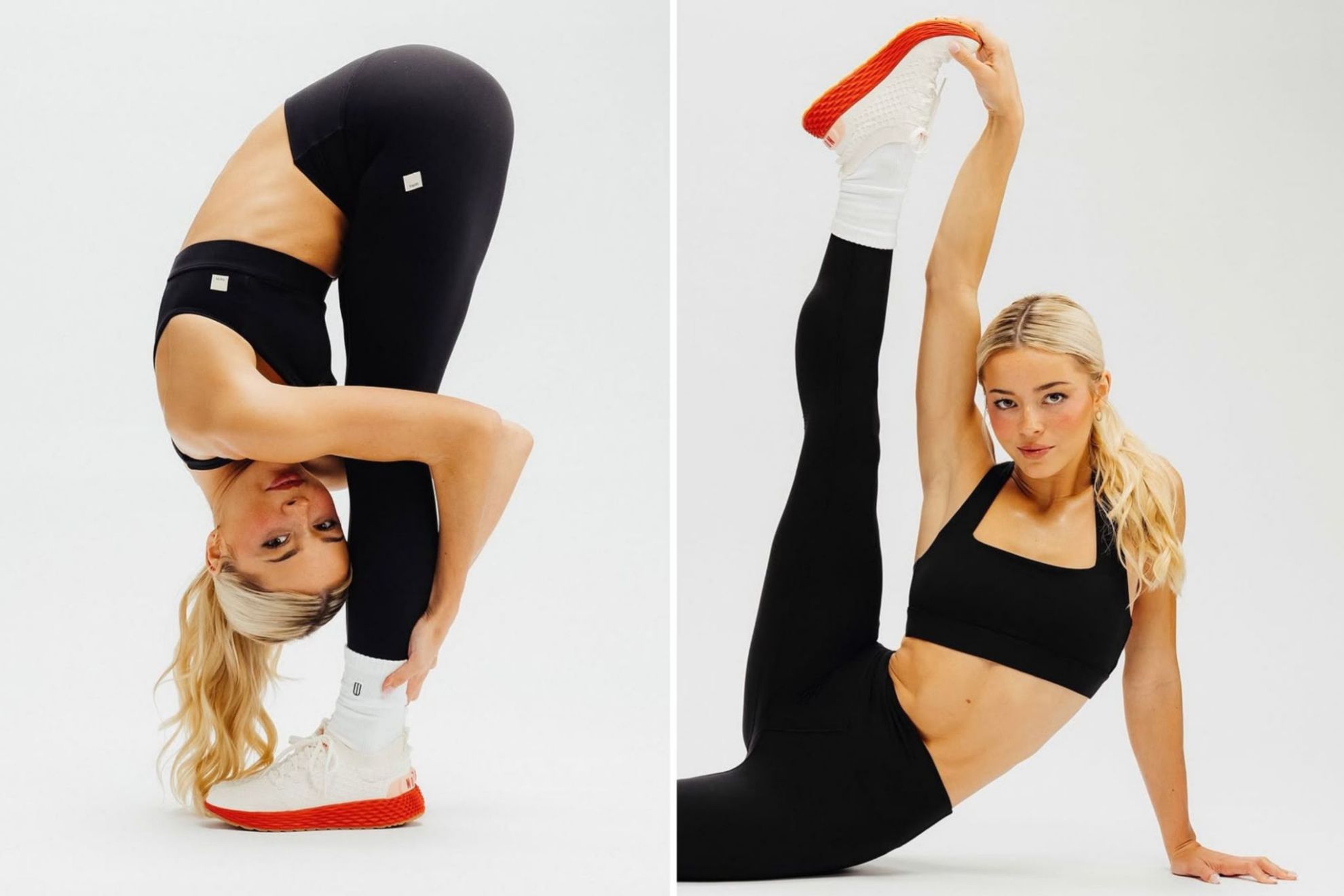
Despite that context, during a recent interview she was reminded of her age and how young she was to be retired. The approach was direct enough that it left her feeling labeled as old at just 23. The comment questioning how someone could be 23 and already retired ignored the physical toll and the timeline of gymnastics, where careers often peak early.
More than just a number
Dunne has faced criticism over how her career unfolded, but placing blame on her misses the point. Injuries are part of elite sports, and in her case they were decisive. Recently, she revealed there is still hope to avoid surgery through rehabilitation and targeted training. That detail reinforces that she was competing through pain, pushing her body even when it likely wasn’t at full capacity.
That makes the age-focused questioning even more misplaced. Retirement in gymnastics does not follow the same timeline as other sports, and stepping away at 22 or 23 is not unusual. What stands out is not her age, but the resilience required to perform under physical strain while navigating public scrutiny.
Olivia Dunne was questioned about her age, but her career was defined less by years and more by circumstances. She still has plenty ahead, now focused on fitness and life beyond competition, proving that stepping away from the mat does not mean stepping away from purpose.
Read the full article here