






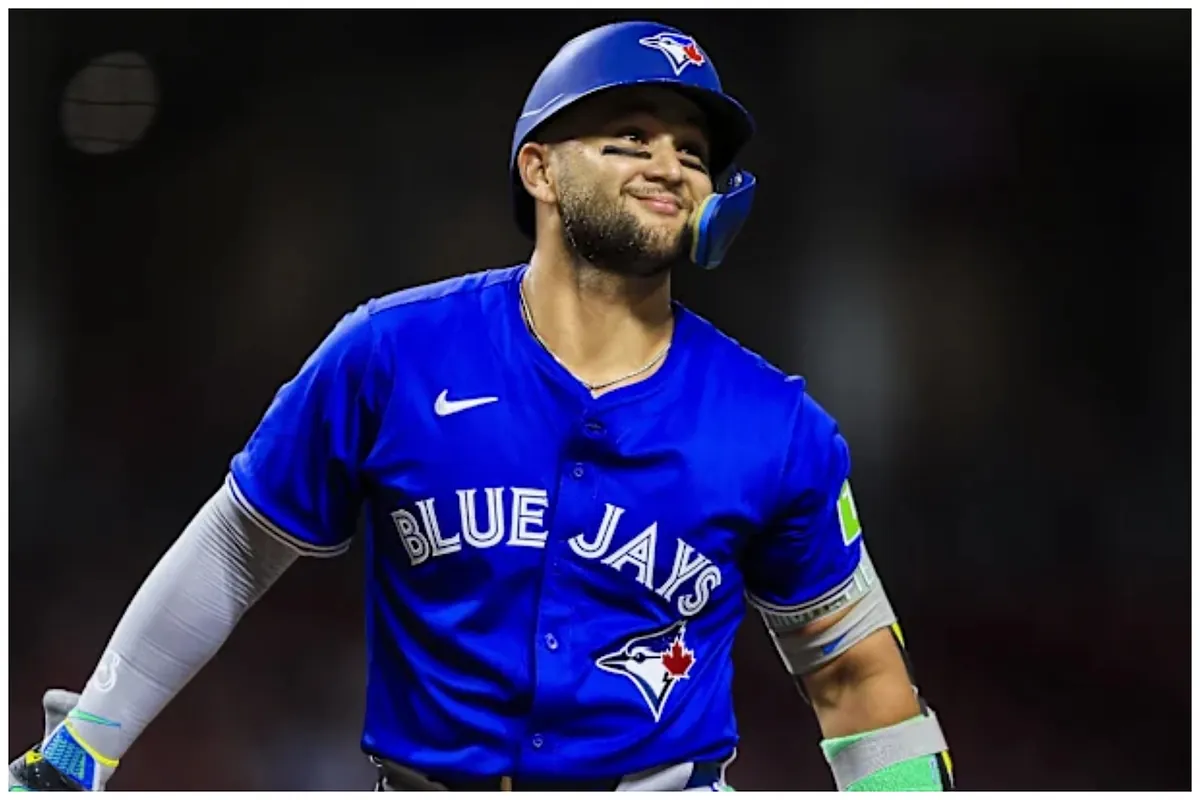
For a franchise under growing pressure to prove it could still win the winter, the New York Mets finally delivered their defining moment, striking a $126 million agreement with star infielder Bo Bichette and instantly shifting the tone of an uneasy offseason.
Coming less than a day after missing out on Kyle Tucker, the deal offered both a jolt of credibility and a reminder that the Mets were never going to sit quietly while rivals dominated the MLB headlines.
According to ESPN, Bichette agreed to a three-year contract pending a physical, with two opt outs and no deferred money.
The structure gives New York flexibility while signaling a willingness to pay market value for impact talent.
For a fan base that spent Thursday venting frustration after Tucker chose the Los Angeles Dodgers on a four year, $240 million deal, the pivot felt swift and deliberate.
Bichette arrives from Toronto as one of the most dynamic bats available this winter and is expected to transition to third base in Queens.
He was a core contributor on Blue Jays teams that consistently pushed into October and brings both postseason experience and middle of the order production to a lineup that needed an offensive catalyst.
Owner Steve Cohen had drawn criticism earlier in the week for a cryptic social post that many interpreted as foreshadowing a blockbuster signing.
When Tucker landed elsewhere, the message was mocked. In hindsight, it may have been a hint that the Mets were already deep into talks on another high profile move.
“We knew we had to stay aggressive,” one league source told ESPN. “Once Tucker came off the board, the focus shifted immediately.”
How Bichette’s signing reshapes the Mets’ roster
The addition of Bichette significantly alters New York’s infield picture. With Francisco Lindor entrenched at shortstop, Marcus Semien at second base and Jorge Polanco projected at first, the Mets suddenly have surplus talent in the dirt.
That logjam puts former top prospect Brett Baty in a precarious position and opens the door to potential trade conversations.
League executives have already floated possible matches with the Boston Red Sox, who are searching for long term stability at third base.
A framework involving Baty and an outfielder such as Jarren Duran has been discussed around the industry, though no deal appears imminent.
Even if a trade does not materialize immediately, the Mets now possess roster flexibility and leverage that did not exist earlier this week.
From a competitive standpoint, the signing strengthens a club that had watched several marquee names land elsewhere this winter.
Fans had seen Tucker go west, while other stars across the league continued to reshape contenders.
Bichette’s arrival provides tangible proof that Cohen and president of baseball operations David Stearns remain willing to act decisively rather than wait passively for value.
For Bichette, the move offers a new stage in one of baseball’s largest markets and a chance to anchor an infield alongside Lindor, forming one of the league’s most intriguing pairings on the left side.
For the Mets, it represents more than just a transaction. It is a signal to the clubhouse and the fan base that ambition still drives the organization.
After a volatile stretch that threatened to define the winter in disappointment, the Mets have rewritten the narrative with a single, bold stroke.
Read the full article here