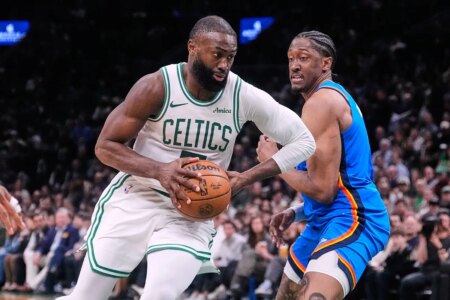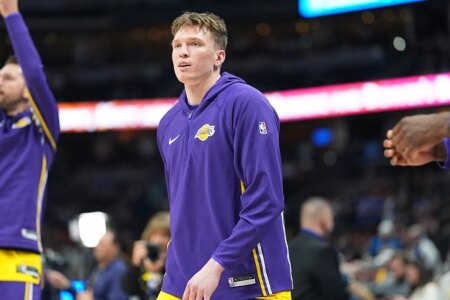






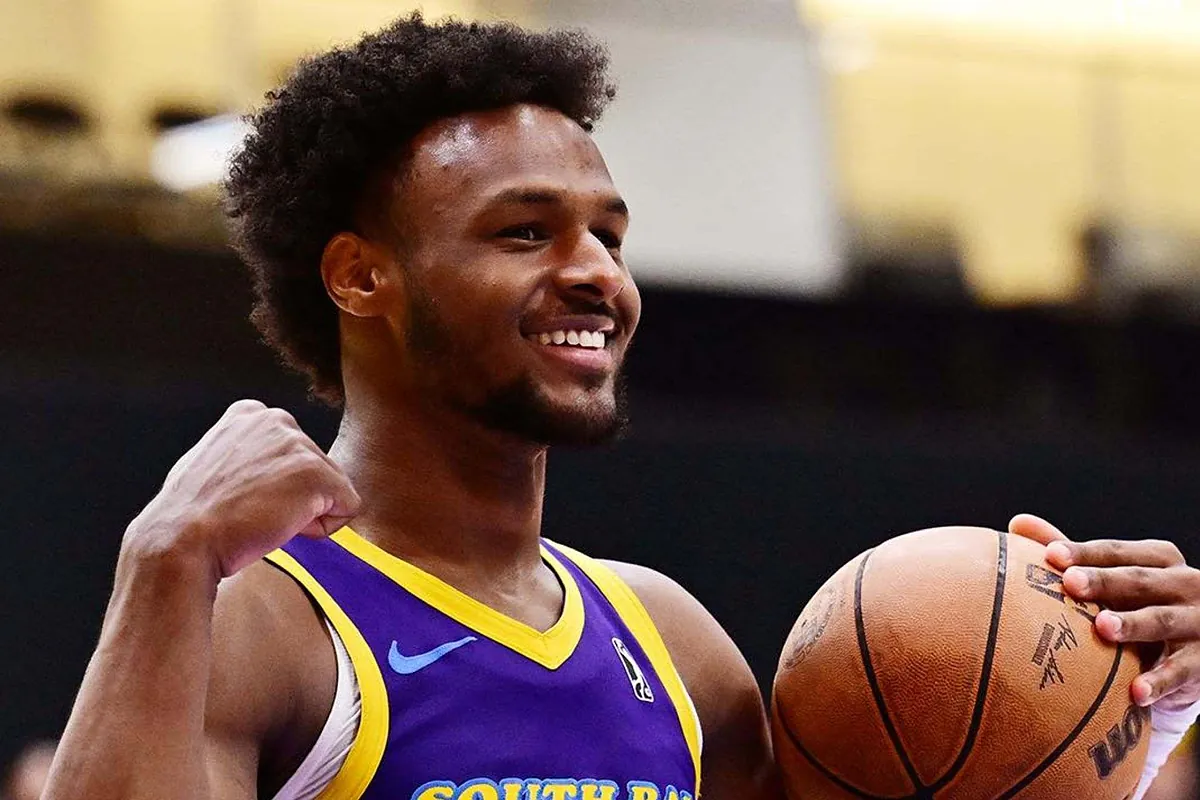
Few young players in recent NBA history have entered the league under a brighter spotlight than Bronny James.
As the son of LeBron James, expectations were never going to be fair. But as the noise settles and the novelty fades, a more grounded question is beginning to take shape around the league: how good is Bronny actually, and does he have what it takes to stay in the NBA once his father retires?
The honest answer lies somewhere between the extremes that have defined his public perception. Bronny is neither the future face of the league nor simply a roster addition driven by marketing appeal. Evaluated on his own merits, he projects as a role player-one whose long-term viability will depend on how well he embraces and develops within that identity.
A willingness to succeed
At his core, Bronny‘s game is built on defensive effort, basketball IQ, and connective play. He is not a high-usage offensive engine, nor has he shown the kind of shot creation that defines star guards in today’s NBA. What he does bring is discipline on the defensive end, a willingness to move the ball, and an understanding of spacing and team concepts that is advanced for his age.
Those traits matter, especially for teams searching for complementary pieces rather than primary scorers. However, the gap between being a useful role player and securing a long-term NBA career is significant. The league is filled with athletes who defend, pass, and understand the game. What separates those who stick from those who cycle in and out of rosters is a defining skill.
For Bronny, that skill has yet to fully emerge. His outside shooting has shown flashes but lacks consistent volume and efficiency. His ability to create off the dribble remains limited. Without clear offensive production, his margin for error becomes extremely thin. Context has also played a major role in shaping his early opportunities.
LeBron’s shadow is heavy
His entry into the league coincided with his father’s continued presence, creating a unique situation where roster decisions are viewed through both competitive and commercial lenses. While that dynamic opened the door, it also intensified scrutiny. Every performance is analyzed not just on its own merit, but against the backdrop of one of the greatest careers in basketball history.
The real test will come when LeBron James is no longer active. At that point, Bronny‘s place in the league will depend entirely on whether he can carve out a niche independent of his last name. Teams will evaluate him like any other young guard competing for limited roster spots. Development, not pedigree, will determine his future.
There are pathways for him to succeed. Players who commit to defense, improve their shooting consistency, and accept defined roles can build long careers. If Bronny can become a reliable perimeter defender who hits open shots and avoids mistakes, he has a realistic chance to remain in rotations. That kind of player may not command headlines, but it holds value in a league built on depth and versatility.
Read the full article here