





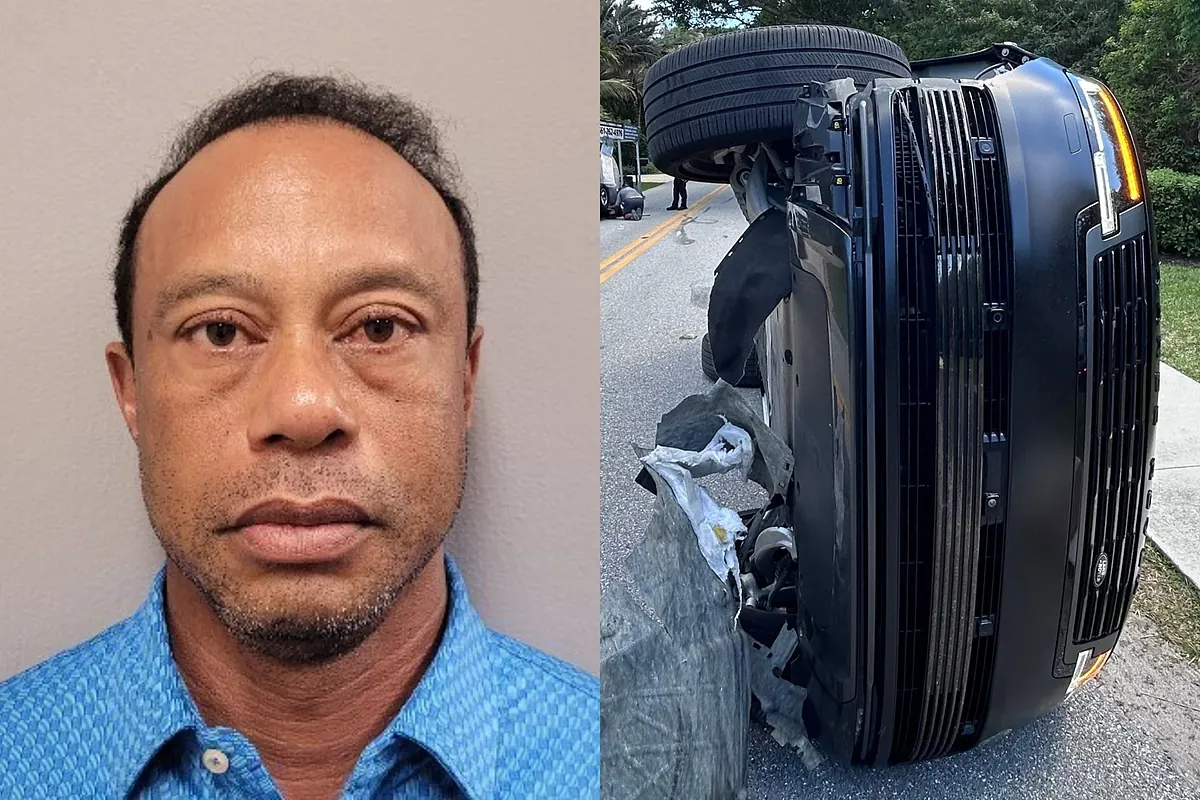
The image moved faster than the details.
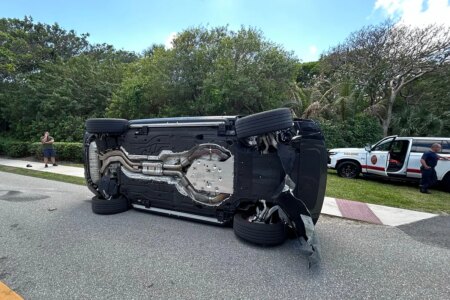
On March 27, 2026, Tiger Woods was involved in a rollover crash in Martin County, Florida, after his vehicle clipped a pickup truck. Authorities confirmed he registered a .000 on a breathalyzer, with early indications pointing to possible medical impairment.
According to Sheriff John Budensiek, Woods’ Range Rover overturned during the afternoon incident. Officers at the scene said he appeared lethargic and declined a urine test, which led them to suspect something beyond alcohol.
Budensiek acknowledged how serious the situation could have been, noting that the outcome might have looked very different under slightly worse circumstances. That detail has shaped how people are reacting.
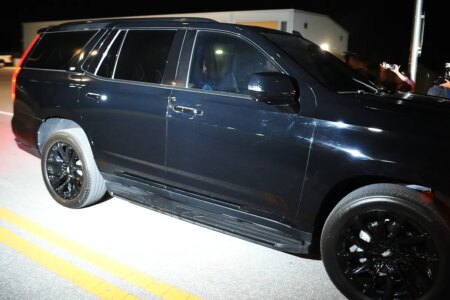
Instead of outrage, there has been a noticeable shift toward concern. The moment a post-crash image surfaced online, the tone changed. It felt less like a breaking news story and more like a warning sign.
The conversation quickly moved away from fault and toward health.
The context behind the concern
To understand why, it helps to look at the bigger picture. Woods has spent more than a decade dealing with recurring physical issues. It started with back pain in 2013, followed by multiple surgeries, including a spinal fusion in 2017.
That same year, he was found asleep behind the wheel in Florida. Toxicology reports later revealed several prescription medications in his system. He later admitted he had been trying to manage intense pain and entered a legal diversion program.
Then came one of the most remarkable chapters in sports. Woods returned to win The Masters 2019, a moment that redefined his legacy.
But physically, things never truly settled.
In 2021, he survived a high-impact crash in California that left him with severe leg injuries. By 2025, he had added a ruptured Achilles tendon and another back procedure to an already long list of medical challenges. Coverage from Golf.com and the PGA Tour has consistently pointed to the demands of managing that level of pain over time.
A pattern that is hard to ignore
There have now been major car-related incidents involving Woods in 2009, 2017, 2021, and 2026. Each situation has been different, but together they create a pattern that is becoming harder to dismiss.
Analysts and former players are starting to frame the conversation differently. It is no longer centered on tournament schedules or potential returns. It is about sustainability.
The focus has shifted from performance to well-being.
Some voices around the sport have echoed a similar sentiment, suggesting that long-term recovery may now matter more than any future result. As one recurring theme across reactions suggests, “he needs help” has become less of a comment and more of a concern.
Where things stand now
Woods has not released a detailed public statement following the crash. Authorities have also not confirmed what may have caused the suspected impairment, leaving open questions about the next steps.
For now, the mood across the golf world feels different. There is still respect for everything Woods has accomplished, but there is also a growing awareness that his biggest challenge may not be competitive anymore.
It may be personal.
Sources: This article is based on official statements from Martin County authorities, historical records of Tiger Woods‘ past incidents and surgeries, and reporting from Golf.com and PGA Tour coverage.
Read the full article here