





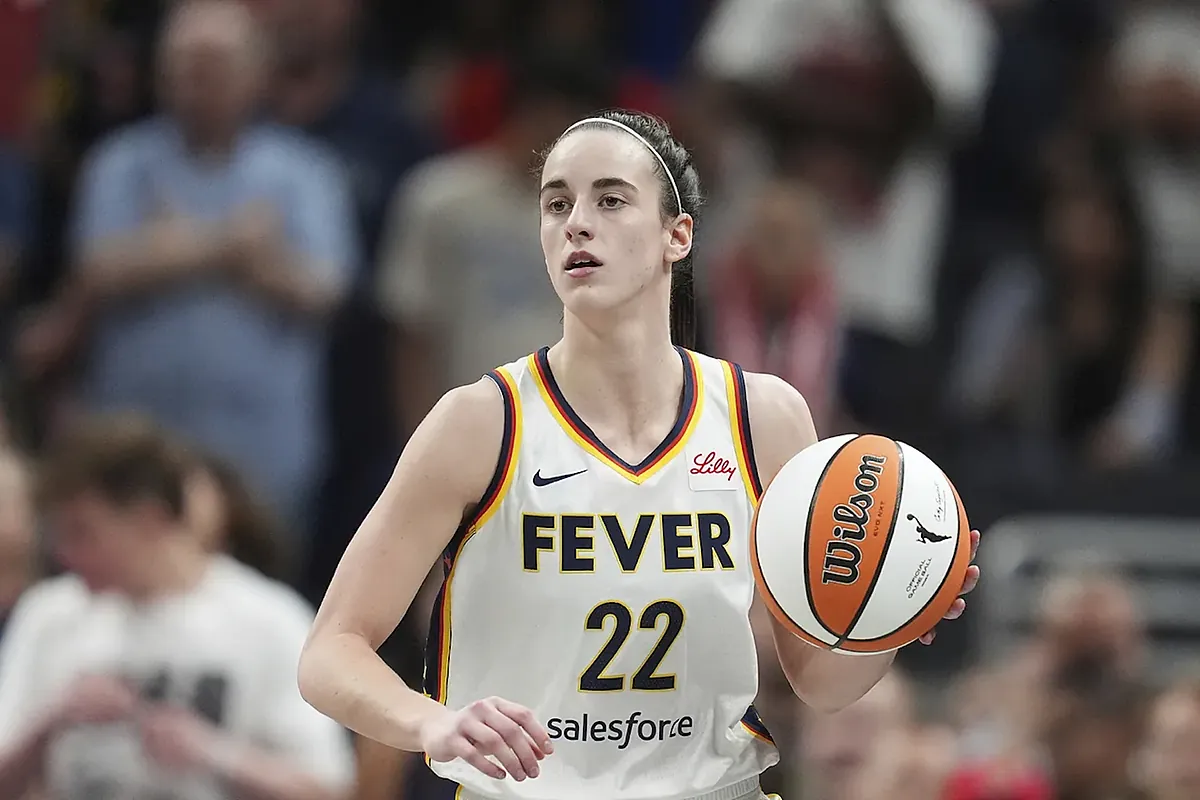
The ongoing negotiations over a new WNBA Collective Bargaining Agreement (CBA) could present an unprecedented dilemma for the Indiana Fever: how to balance rewarding established veterans while securing longterm deals for generational young talent like Caitlin Clark.
The latest proposal from the league includes provisions that would accelerate eligibility for maximum contracts, a development that could dramatically alter roster planning for teams around the league.
At the center of the debate is a new clause that would allow players on rookie contracts who make AllWNBA first or second teams to sign maximum contracts in their fourth season.
Traditionally, players have had to wait longer to reach that financial tier, but under the proposed CBA structure Clark and her peers could reach that level much sooner than expected.
According to reports, this measure would make Clark, currently earning about $85,873 in 2026 under her rookie deal, eligible to sign a highend contract as early as 2027 if she continues to perform at an elite level.
The salary cap numbers proposed are staggering compared with past agreements.
Under the offer on the table, the cap would leap to $5.75 million in the first year of the new CBA, up from just $1.5 million in 2025, with projections to reach $8.5 million by the sixth year of the agreement.
Maximum individual salaries would rise from about $249,000 under the current system to around $1.3 million, while average league salaries could jump to an estimated $540,000 right away.
That compensation breakthrough mirrors broader momentum in women’s basketball. Clark’s presence in the league has coincided with dramatic spikes in attendance, merchandise sales and national interest, a phenomenon often dubbed the “Caitlin Clark effect.”
Before her arrival, Fever attendance was modest, but data showed attendance rose more than 100% in games where Clark played, underscoring her impact on fan engagement and WNBA visibility. (turn0reddit54)
Hard choices loom for Fever front office
While the new CBA could be generational for star players like Clark, it also raises thorny questions for teams with multiple highperforming players under contract.
Basketball analyst Rachel DeMita pointed out that the Fever could have three players, Clark, Kelsey Mitchell and Aliyah Boston, eligible for maxlevel deals at different points under the new structure.
“Caitlin Clark is eligible to be that max contract player because of this new rule in 2027. So that is the player if you’re the Indiana Fever, if you’re any franchise, for that matter,” DeMita explained, noting that the Fever may have to prioritize which star receives the top financial commitment.
The complexity arises because even with a significantly higher cap, allocating multiple maximum salaries can strain a roster’s flexibility.
Teams may find themselves choosing between keeping multiple stars at top pay or building depth around a single highpaid franchise cornerstone, a balance that could define their competitive future.
These proposed contract enhancements are part of wider labor talks that also include contentious revenuesharing discussions.
The league has offered players more than 70% of net revenue under its terms, while the WNBPA has pushed for a share of gross revenue, a sticking point that remains unresolved and could jeopardize the start of the 2026 season if not settled by the looming March 10 deadline.
For the Fever, whose financial future and championship aspirations have both blossomed since drafting Clark first overall in 2024, the new CBA represents both opportunity and challenge.
Locking in Clark’s value early could anchor their franchise for years, but it also requires balancing the payroll and competitive potential of other stars.
As negotiations continue, Indiana’s front office will have to navigate these complex decisions with an eye on both immediate success and sustainable growth.
Read the full article here