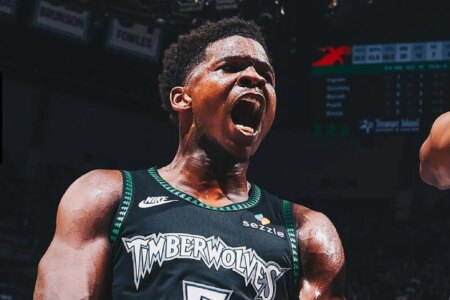






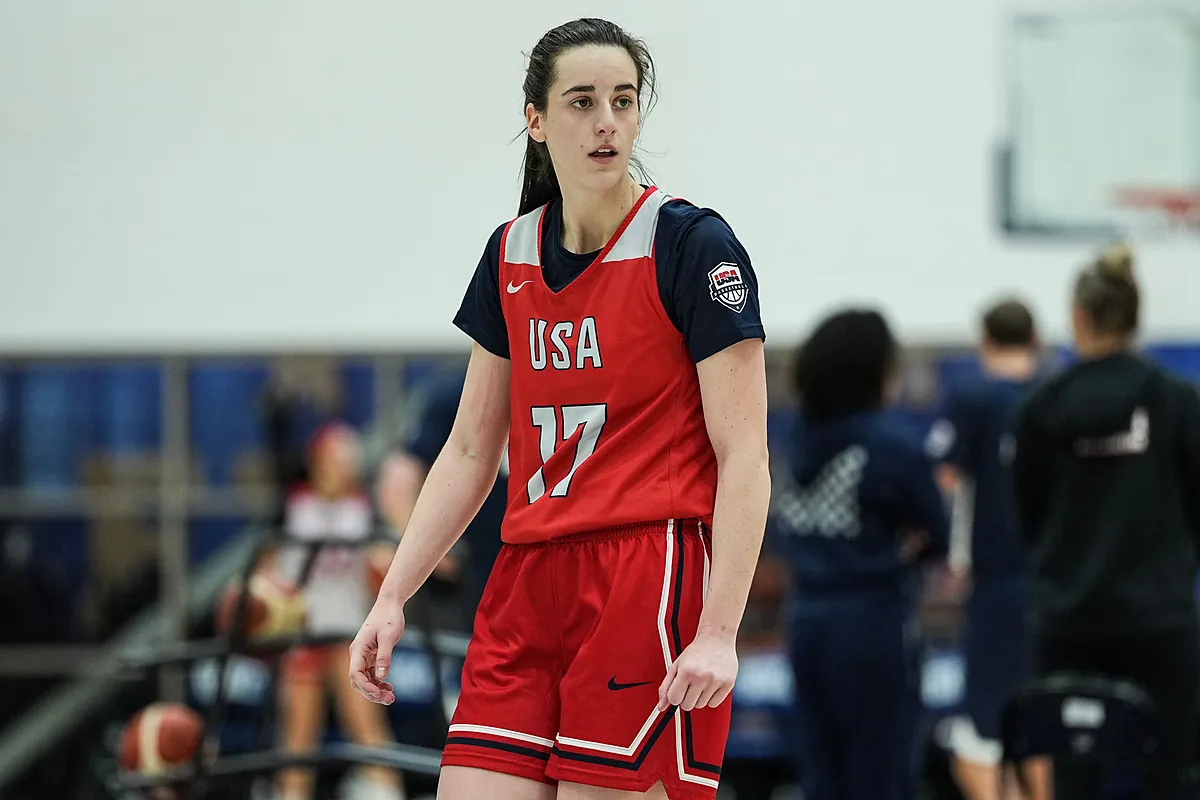
The WNBA is experiencing one of the most dramatic surges in attention in its history, and Caitlin Clark is at the center of that transformation.
Sold-out arenas, soaring television ratings, and a spike in mainstream coverage have changed how fans talk about the league. Yet as labor negotiations remain stalled and the threat of a strike or lockout grows, a growing segment of fans is questioning whether this rapid rise has also created unintended consequences.
The debate gained traction after a social media post suggested Clark could “indirectly” play a role in destabilizing the league. The idea was not that Clark herself is at fault, but that her unprecedented popularity dramatically shifted expectations.
With more viewers and media attention than ever before, players now feel empowered to push harder for higher salaries and improved contract terms.
Over the past few seasons, WNBA players have openly discussed the goal of eventually earning million-dollar annual salaries. Recently, reported offers in the range of $1.3 million were described by some players as inadequate, illustrating how quickly financial expectations have changed.
Supporters of the players argue this is a natural and justified response to increased visibility and interest. From their perspective, the league finally has leverage to correct years of underpayment.
When growth moves faster than infrastructure
Skeptics, however, see the situation differently. They argue that while viewership has jumped, the league’s financial foundation has not caught up.
The WNBA has long operated with slim margins, and critics question where significantly higher salaries would come from if revenue growth does not keep pace. To them, the sudden escalation in demands risks outstripping what owners can realistically sustain.
Another layer of tension comes from the belief that much of the recent momentum is driven by one uniquely marketable player rather than a broad league-wide surge.
Some fans claim that this has led to inflated self-valuations among players who may be overestimating their individual impact on revenue. From this angle, misjudging the source of growth could push negotiations toward an impasse.
Concerns also extend to timing. A work stoppage now, critics argue, could halt the league’s momentum just as new fans are coming aboard. Casual viewers drawn in by Clark‘s arrival may not stick around through prolonged labor disputes, potentially undoing years of progress.
On the other hand, many observers caution against panic. Labor tension often accompanies growth, and difficult negotiations are common in expanding sports leagues. They argue that confronting these issues now may be necessary to secure long-term stability and fairness.
Clark‘s influence has exposed both opportunity and vulnerability. Whether the WNBA emerges stronger or weaker will depend on how well both sides balance ambition with economic reality in this pivotal moment.
Read the full article here