






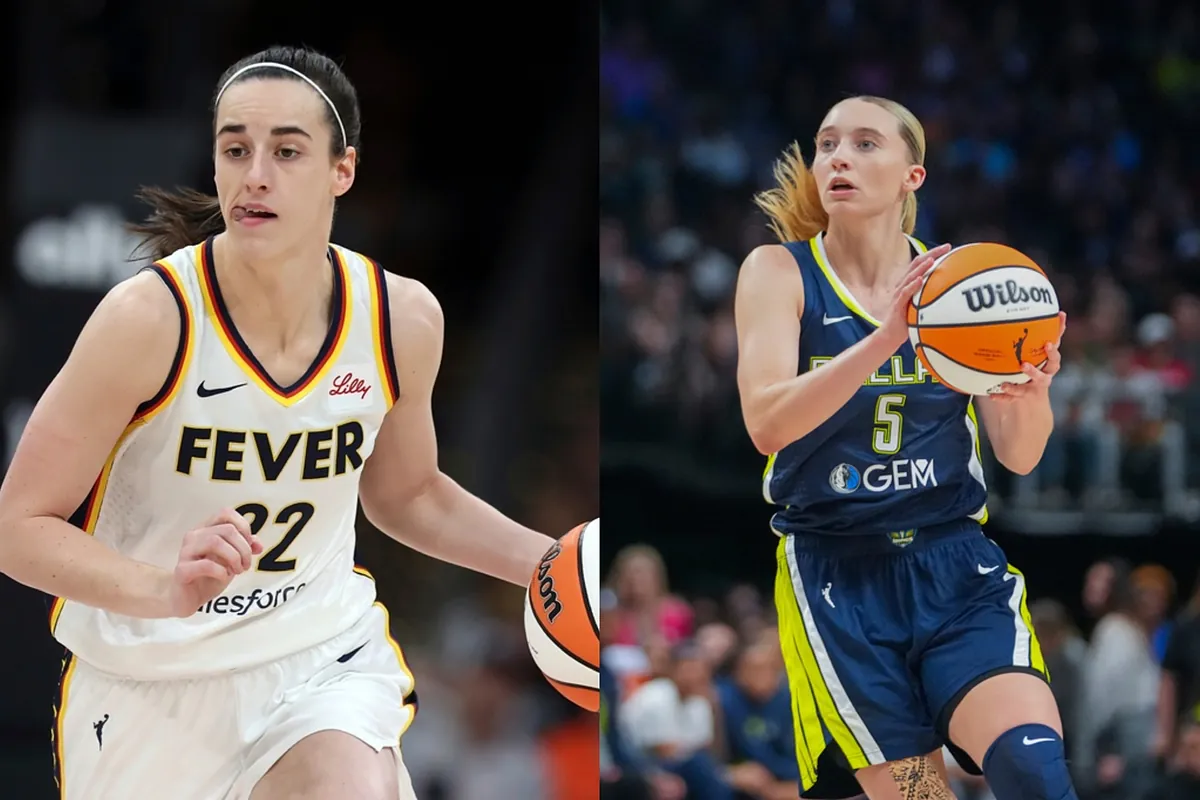
The WNBA’s new collective bargaining agreement raises salaries, adds charter flights, and sets the stage for playmakers like Caitlin Clark and Paige Bueckers to cash in on their superstar status.
The league has approved a landmark collective bargaining agreement (CBA) designed to better reward its brightest stars, whose impact has fueled unprecedented growth in the league.
Under the new deal, the minimum salary will rise to about $300,000, a significant boost across the board.
More importantly, rookies who achieve elite honors-such as making the All-WNBA team or winning MVP-will now be eligible for max and supermax contracts in their fourth year.
Charter flights and offseason challenge
This provision directly benefits Bueckers and Clark, both of whom have already earned All-WNBA recognition, positioning them for major paydays once their rookie deals expire.
The CBA also formalizes charter flights for all teams, a program first introduced in 2024. This move enhances player safety, reduces travel fatigue, and signals the league’s commitment to managing the demands of rising stardom.
While the agreement is widely seen as a win, challenges loom: the 2026 offseason will feature an Expansion Draft for Toronto and Portland, followed by a crowded free agency market with over 100 players in play.
The teams will face unique challenges
Teams must navigate a tighter salary cap while preparing for a shortened training camp and a draft headlined by prospects Azzi Fudd and Awa Fam.
The new CBA reflects a compromise-players accepted a lower share of revenue in exchange for improved salaries, housing concessions, and travel benefits.
While not every demand was met, the deal marks a significant step toward aligning compensation with the league’s surging popularity and the superstar power driving it.
Read the full article here